
Lieferung heute & morgen

Qualitätsgarantie

Willkommens-Angebote freischalten: KOSTENLOSE Lieferung | Bis zu 80 % RABATT | Kostenlose 30-Tage-JoyPlus-Testphase
App herunterladen
A high-quality pair of cycling glasses is more than just a fashion statement; it's an essential piece of gear for safety and performance. Yet, the market is saturated with marketing promises and technical jargon that make choosing difficult. Many cyclists invest in models that don't meet their needs because they fall for common misconceptions. This guide will help you identify the crucial features and make an informed decision.
As a Joybuy Product Recommendation Officer, I analyse product data to provide you with objective and practical advice. Below, we'll highlight the most common pitfalls and the key technical parameters you should check before buying.
Investing in the wrong pair of glasses isn't just a financial loss; it can also compromise your safety and comfort on the bike. Watch out for these typical problems:
To find glasses that support your performance and protect your eyes, you should carefully examine three technical aspects.
The choice of lens is the most important decision and depends entirely on your typical use case.
The comfort and stability of cycling glasses depend directly on the frame.
In addition to UV protection, the mechanical resistance and longevity of the lenses are crucial.
Based on the criteria above, we have identified a few models that represent a smart choice for specific user profiles.
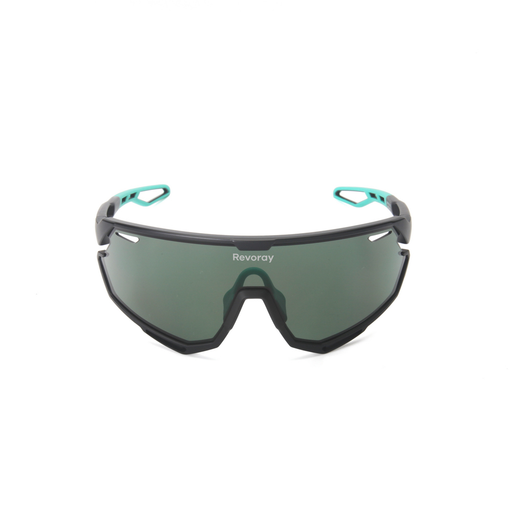
Why This Fits Their Persona: Ideal for beginners and casual riders looking for reliable, foundational gear. It offers protection and comfort for weekend tours or commutes without breaking the bank.
It focuses on the essentials: a lightweight TR90 frame and non-slip rubber elements prevent slippage, a common issue with cheaper models.
Very lightweight (approx. 30g) with an impact-resistant PC lens and full UV400 protection. The aerodynamic design ensures stability.
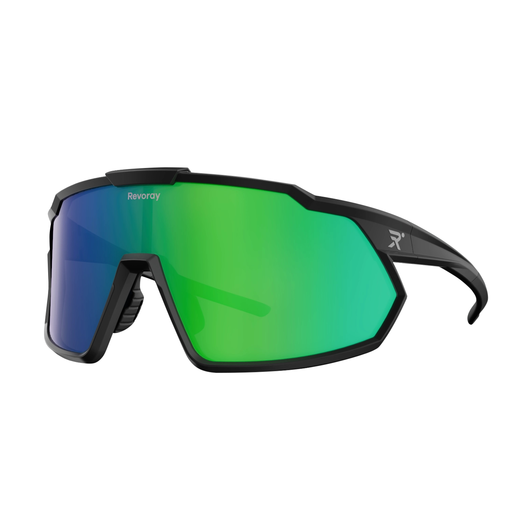
Why This Fits Their Persona: Designed for cyclists who depend on clear vision and protection from glare during training and competition. The polarised lenses are ideal for long rides on sunny roads.
Solves the problem of incorrect lens technology by specifically using HD TAC polarised lenses that effectively filter glare. The ANSI Z87.1 certification confirms its impact resistance.
Ultra-lightweight (approx. 33g) with adjustable nose pads for a perfect fit. Water- and oil-repellent coatings ensure clear vision even during intense effort.
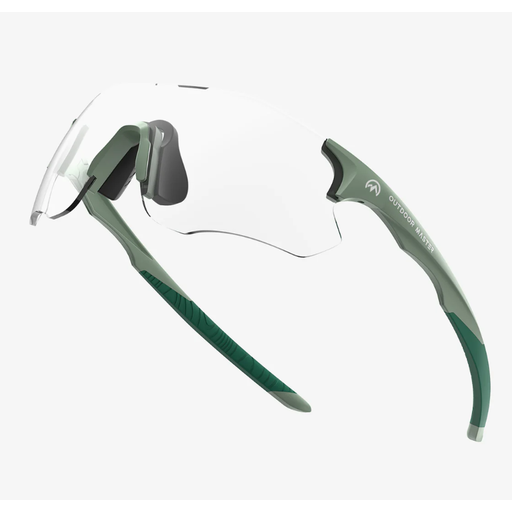
Why This Fits Their Persona: Perfect for riders whose routes take them through forests, across open fields, and into dusk. The glasses adapt automatically, always providing the right level of tint.
This is the solution to the common mistake of buying fixed-tint glasses for variable conditions. The photochromic technology eliminates the need to buy interchangeable lenses.
Automatic tint adjustment (Cat. 0 to Cat. 3). The lightweight TR90 frame with non-slip gel ensures a secure fit, which is essential for MTB glasses.
We have compiled a complete, up-to-date list of products that fully meet these strict selection criteria and UK safety regulations.
1. How do you clean cycling glasses without damaging the coating? First, rinse the glasses with lukewarm water to remove dust and coarse dirt. Then, use a special lens cleaning cloth or a soft microfibre cloth to gently wipe the lenses dry. Avoid paper towels, tissues, or the corner of your jersey, as these can cause tiny scratches. Alcohol-based cleaners should also be avoided as they can damage the coatings.
2. Are more expensive cycling glasses worth the money? A higher price often correlates with more advanced lens technologies (e.g., higher-quality photochromic or polarised lenses), lighter and more durable frame materials (like TR90), and better, longer-lasting coatings. For ambitious and regular riders, the investment in comfort, optical clarity, and durability can be worthwhile. For casual riders, a solid basic model with UV400 protection and a good fit may be sufficient.
3. Can I wear cycling glasses in bad weather or at dusk? Yes, and it's even recommended. Glasses protect not only from UV rays but also from wind, rain, insects, and kicked-up debris. For rides in low-light conditions, models with clear or lightly tinted lenses (e.g., yellow or orange) that enhance contrast are suitable. A pair of photochromic cycling glasses that can lighten to an almost clear tint (Category 0 or 1) is a particularly practical solution here.