
Lieferung heute & morgen

Qualitätsgarantie

Willkommens-Angebote freischalten: KOSTENLOSE Lieferung | Bis zu 80 % RABATT | Kostenlose 30-Tage-JoyPlus-Testphase
App herunterladen
High-quality cycling glasses are more than just a fashion accessory; they are an essential piece of gear for safety and performance. However, the market is saturated with marketing jargon and technical terms that can make choosing the right pair difficult. Many cyclists invest in models that either show defects after a short time or are unsuitable for their specific needs. This guide will help you identify the crucial features and make an informed decision.
Before we dive into the key parameters, let's look at the three most common mistakes that lead to dissatisfaction and unnecessary expense:
To avoid these mistakes, focus on the following technical specifications. These objective parameters determine the quality, safety, and comfort of your future cycling glasses.
The lenses are the heart of any sports sunglasses. Look for these three features:
The frame is a major contributor to both comfort and durability.
Here are a few recommendations tailored to specific user profiles and the criteria mentioned above.
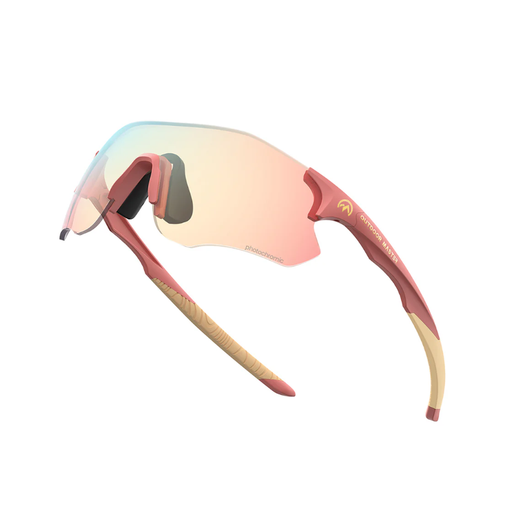
Why This Fits Their Persona: Ideal for mountain bikers and tour riders who frequently move between sunny sections and shaded forest trails. The glasses adjust automatically, ensuring vision is always optimal.
Solves the problem of having the wrong lens tint. The photochromic technology eliminates the need to manually swap lenses or glasses.
Automatic tint adjustment (Cat. 0 to Cat. 3), lightweight TR90 frame, and UV400 protection.
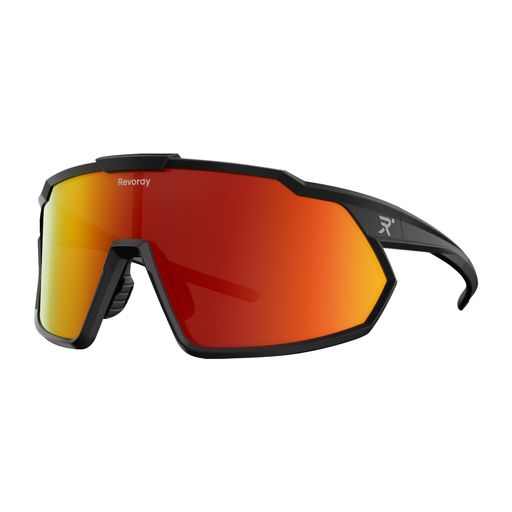
Why This Fits Their Persona: Designed for road cyclists and triathletes who need maximum visual clarity and glare protection at high speeds and in intense sunlight.
The polarized TAC lenses actively filter road glare, which reduces eye strain and improves reaction time—a key safety benefit.
HD polarized lenses, ultra-lightweight design (approx. 33g), and meets the ANSI Z87.1 impact protection standard.
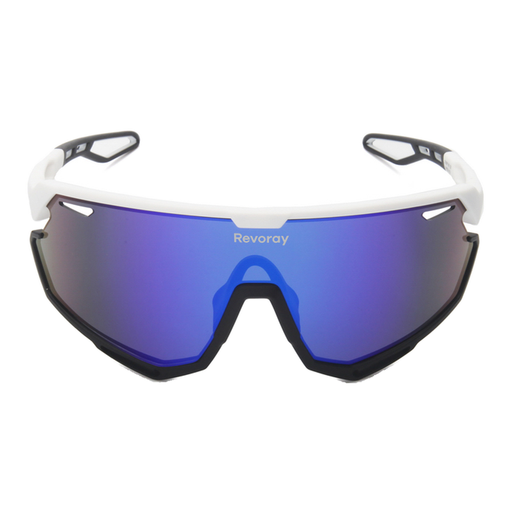
Why This Fits Their Persona: A solid choice for recreational cyclists and beginners looking for reliable glasses with all the essential protective features, without investing in expensive specialty lenses.
Offers a robust, lightweight TR90 frame and impact-resistant lenses. This avoids the pitfall of cheap, fragile frames and unsafe lenses.
Very lightweight (approx. 30g), aerodynamic design, impact-resistant PC lenses, and full UV400 protection.
We have compiled a complete, up-to-date list of products that fully meet these strict selection criteria and rigorous safety standards.
A UV400 label confirms that the lenses are designed to filter UV rays up to a wavelength of 400 nanometers. This includes both UVA and UVB rays, which can be harmful to the eyes. It is the highest level of protection for eyewear and an indispensable feature for any sports sunglasses, regardless of the lens tint.
It depends on your primary use case. Polarized lenses are ideal for road riding in consistently bright conditions, as they reduce glare from flat surfaces like wet asphalt. Photochromic (self-tinting) lenses are the better choice for mountain bikers or riders who frequently move between sun and shade (e.g., in forests or during dawn/dusk rides), as they adapt flexibly to changing light conditions.
Clean the lenses regularly with the included microfiber bag or a soft, clean cloth. For heavier dirt, you can use lukewarm water and a mild, pH-neutral soap. Avoid harsh cleaning agents, alcohol, or paper towels, as these can scratch or damage delicate coatings (e.g., anti-fog or mirrored layers). Always store the glasses in their protective case when not in use.