
Lieferung heute & morgen

Qualitätsgarantie

Willkommens-Angebote freischalten: KOSTENLOSE Lieferung | Bis zu 80 % RABATT | Kostenlose 30-Tage-JoyPlus-Testphase
App herunterladen
Cycling glasses need to do more than ordinary sunglasses on long rides. They should protect you from UV rays, wind, dust and flying debris without slipping or unnecessarily restricting your field of vision. Cycling glasses also vary considerably in lens type, light transmission, weight and fit.
If you focus only on a striking mirrored finish or a low price, you could miss important details. These three common buying mistakes can leave you with cycling sunglasses that are unreliable for everyday use:
Look for a clearly stated UV400 rating. This indicates protection up to 400 nanometres and is listed for many sports glasses and sunglasses. The lens tint, on the other hand, describes how much visible light it reduces. A dark lens can be comfortable in bright sunshine, but may not be suitable for wooded sections or overcast weather.
Photochromic cycling glasses can be useful when light levels vary. According to the product description, the tint on OutdoorMaster models adjusts to UV exposure; the HawkSharp HD is listed as ranging from Cat. 0 to Cat. 3. This does not remove the need to assess conditions for yourself: adjustment may be limited inside vehicles, as windscreens filter out some UV light.
Polycarbonate, or PC for short, is often used for sports lenses. It is lightweight and widely used for cycling and MTB glasses because of its stated impact resistance. However, impact-resistant cycling glasses are not unbreakable and are no substitute for specialist safety glasses when working with machinery.
The Revoray X3 has a one-piece PC lens. This design offers a wide field of vision with minimal interruptions. According to the product details, the Revoray Y1 uses TAC polarised lenses and also meets the ANSI Z87.1 performance standard. This is a technical rating for impact resistance, not a general guarantee for every use.
A TR90 frame is flexible and often used for lightweight sports glasses. For long rides, models weighing around 26 to 33 grams are worth considering. More important still is whether the glasses sit securely on your face.
Before you buy, check:
Wind-resistant sports glasses can help reduce the wind you feel, but they should not fit so tightly that the lenses quickly fog up when temperatures change. Road cyclists may prefer aerodynamic, one-piece lenses. For mountain biking, a secure fit, a wide field of vision and a durable frame are also important.
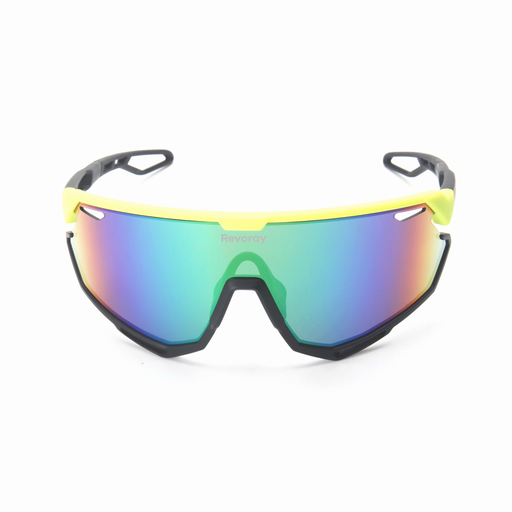
Why it suits this type of rider: These cycling glasses combine a one-piece PC lens with a TR90 frame and weigh around 30 g. They’re well suited to leisure rides, everyday journeys and your first trips on roads or forest trails.
The product details specify UV400 protection, non-slip arms and a rubber nose pad, rather than relying solely on a fashionable tint.
Around 30 g in weight, a one-piece PC lens and stated UV400 protection.
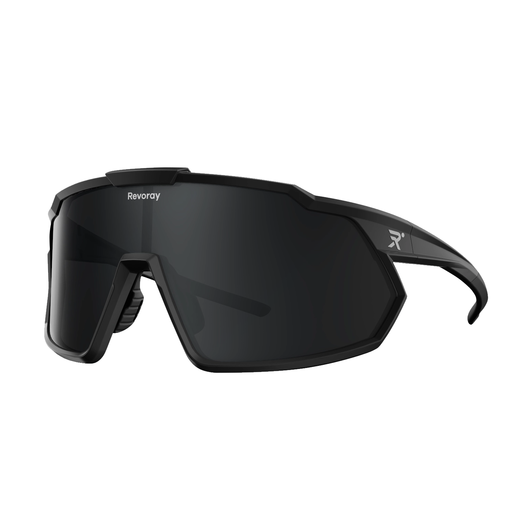
Why it suits this type of rider: These polarised cycling glasses are for riders who value reduced reflections in bright light and an adjustable fit.
The product description specifies visible light transmission of around 15.2%, ANSI Z87.1, and water- and oil-repellent coatings.
TAC polarised lenses, a UV400 rating, a weight of around 33 g and adjustable silicone nose pads.
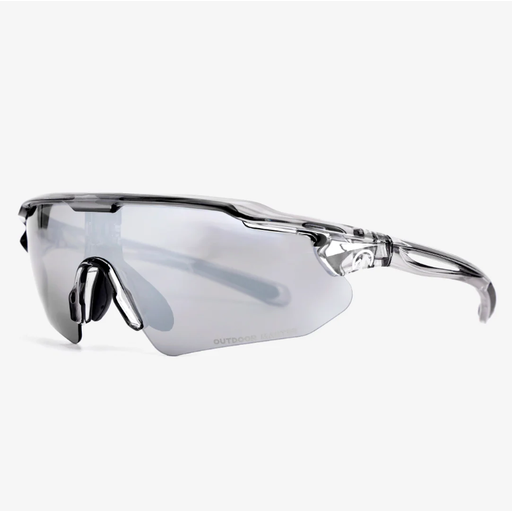
Why it suits this type of rider: For long rides in changing light, this model combines photochromic and polarised PC lenses with a TR90 frame.
The lenses adjust their tint, reducing the need to switch between several pairs of glasses. According to the product information, photochromic adjustment is limited when driving, which is worth bearing in mind.
Photochromic lenses, polarisation, a UV400 rating and a weight of around 26 to 29 g.
We’ve put together a complete, regularly updated list of products that meet these strict selection criteria and fully comply with the safety regulations in force in the EU.
Rinse off dust and dirt with clean water before cleaning the lenses with a soft microfibre cloth. Dry particles can otherwise cause fine scratches. Alcohol and harsh cleaning products can damage coatings. Store your glasses in a case and avoid heavy pressure, high heat and contact with sharp objects.
There is no set lifespan that applies to every pair. Scratches, loose arms, damaged lenses or a fit that has permanently changed are all signs that it may be time for a replacement. Even if the surface is undamaged, follow the manufacturer’s care and warranty information.
They can reduce reflections from wet roads, water and metal surfaces, making them a good option in bright conditions. For overcast forest trails or situations with lots of displays, less heavily tinted or photochromic cycling glasses may be more practical.
UV400 is an important rating for protection against ultraviolet radiation. You should also look for a suitable tint, enough coverage and good visibility in the light conditions you expect to encounter.
Many lightweight models weigh around 26 to 33 grams. However, weight alone does not determine comfort. The nose pads, arms, frame width and ventilation all need to suit your face shape and intended use.