
Lieferung heute & morgen

Qualitätsgarantie

Willkommens-Angebote freischalten: KOSTENLOSE Lieferung | Bis zu 80 % RABATT | Kostenlose 30-Tage-JoyPlus-Testphase
App herunterladen
Cycling glasses with UV400 protection need to do more than simply tint the lenses. When you’re cycling, your eyes are exposed to direct sunlight, wind, dust and insects. On mountain bike rides, splashes and small flying particles can also be a problem. At the same time, your glasses need to stay securely in place without causing pressure points or restricting your field of vision.
When buying cycling sports glasses, it’s easy to fall into three common traps: focusing only on the tint, mistaking low weight for a good fit, or trusting marketing claims such as ‘shatterproof’ without checking the materials and construction. The following criteria will help you compare products objectively.
A dark lens reduces visible light, but that alone tells you nothing about its protection against ultraviolet radiation. Look for a clear specification such as UV400. This describes protection up to a wavelength of 400 nanometres. For cycling sunglasses, this information should be clearly stated in the technical product details.
UV400 does not automatically indicate a particular tint or polarisation, either. If you often ride in changeable weather, also consider the lens’s field of vision, contrast and intended use.
The lens material matters when choosing MTB or road cycling glasses. PC lenses, or polycarbonate lenses, are often used for their toughness and impact resistance. A single-piece lens can also provide a wide, largely uninterrupted field of vision.
Even so, ‘shatterproof’ doesn’t mean indestructible. Scratches, high temperatures, sharp objects and improper cleaning can all damage a lens. Specific material details are therefore more useful than a general marketing claim.
Lightweight cycling glasses are comfortable on long rides, provided they stay securely in place. Loose arms can slip during fast descents or on uneven ground. Arms that are too tight, on the other hand, can cause pressure points over time.
Useful features to look for include a TR90 frame, a rubberised nose pad and non-slip arm tips. These features can’t replace trying the glasses on, but they do offer some clues about fit. Before buying, compare the product dimensions and stated face-size range with a pair of glasses you already own.
For cycling glasses with UV protection, the protection standard should be explicitly stated in the description. According to the product details, the Revoray X3 models come with UV400 protection and a single-piece PC lens. The manufacturer states that they protect against UVA, UVB and UVC radiation. This is a product feature, not a medical efficacy claim.
A large lens can help shield your eyes from wind and foreign objects coming from different angles. However, when riding on the road, make sure the tint doesn’t unnecessarily restrict your vision at dusk, in tunnels or under heavily overcast skies.
Shatter-resistant PC lenses are worth considering for sporting activities, as polycarbonate is a tough plastic material. In the event of a fall or contact with small particles, this type of construction may offer practical advantages over more delicate materials. However, the level of protection depends on the overall construction, the manufacturing quality and correct use.
According to the product details, the Revoray X3’s TR90 frame is made from a flexible, shape-retaining plastic. The model weighs around 30 grams and is designed for medium to large face shapes.
An aerodynamic design can help direct airflow around the front of road cycling glasses. However, it shouldn’t leave gaps at the sides or above the glasses. For mountain bike rides, a secure fit, a wide field of vision and non-slip contact points are often more important than an especially streamlined shape.
Also look for:
The options below are based on the stated product features. The three models mainly differ in colour; according to the product descriptions, their technical specifications are broadly the same.
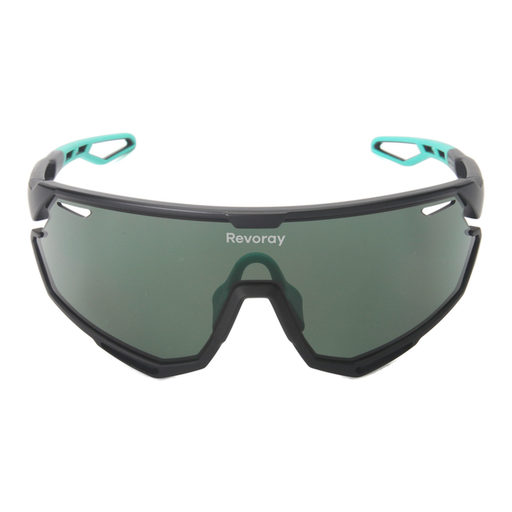
Why this product suits this profile: The black version has a subtle design, making it a good choice for occasional road rides, commutes and leisure rides.
The product details specifically identify UV400, a PC lens and a TR90 frame, rather than relying solely on general design terms.
Around 30 g in weight, a single-piece PC lens and non-slip contact points, according to the product description.
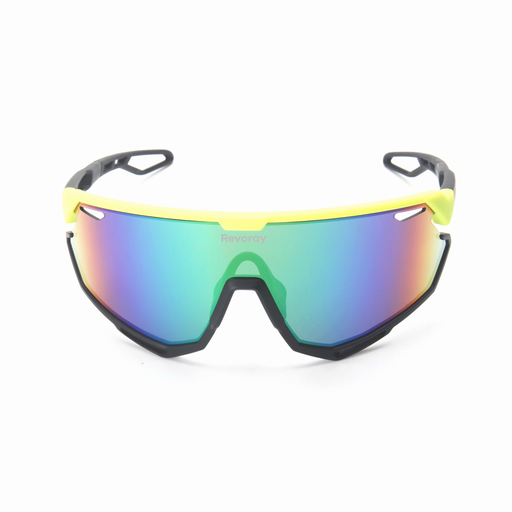
Why this product suits this profile: This version is for riders who want to compare details about protection, weight and fit before buying.
The product details specify UV400, PC lens material, a TR90 frame and a weight of around 30 g.
A single-piece lens with a wide field of vision, an ergonomic frame and non-slip arms, according to the product details.
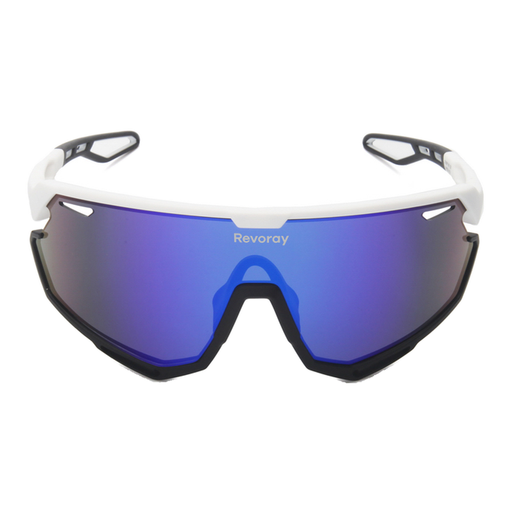
Why this product suits this profile: The blue version is a good option for frequent riders looking for cycling glasses for road cycling, mountain biking and other outdoor activities.
According to the product description, the design combines a secure fit with a single-piece PC lens and a frame for medium to large faces.
An aerodynamically shaped frame, UV400 protection and rubber pads on the nose and arms, according to the manufacturer’s description.
After a ride, rinse off dust and sweat with clean water first. Then use a soft cloth. Alcohol-based or highly corrosive cleaning products can damage coatings and plastics. Store your glasses in a case and keep them away from high temperatures and heavy pressure.
If the lenses have deep scratches or cracks, or your vision through them is permanently impaired, it’s a good idea to replace them. Even if the frame is undamaged, a damaged lens can affect how well the glasses work. There’s no one-size-fits-all answer to how long they’ll last: frequency of use, storage, UV exposure and care all play a part.
We’ve put together a complete, regularly updated list of products that meet these strict selection criteria and fully comply with the safety regulations in force in the EU.
According to the product details, UV400 indicates protection against ultraviolet radiation up to 400 nanometres. When choosing a pair, also consider the lens material, fit, field of vision and suitability for the lighting conditions you’ll be riding in.
It depends on the frame shape and fit. Around 30 grams, as with the Revoray X3 models mentioned above, can be a useful guide for long rides. The most important thing is that your glasses don’t slip or cause pressure points.
First, rinse the lens with clean water, then gently dry it with a soft cloth. Avoid strong cleaning products, rough fabrics and wiping the lens when it’s covered in dry mud or dust, as these can cause scratches.