
Lieferung heute & morgen

Qualitätsgarantie

Willkommens-Angebote freischalten: KOSTENLOSE Lieferung | Bis zu 80 % RABATT | Kostenlose 30-Tage-JoyPlus-Testphase
App herunterladen
Cycling glasses need to do more than place a tinted lens in front of your eyes. When road cycling, mountain biking, gravel riding or trekking, your eyes are exposed to wind, changing light conditions, dust and occasional splashes. At the same time, the glasses should sit lightly, resist fogging and remain comfortable even during longer training sessions.
However, the market uses many similar-sounding terms. UV400, “HD”, “impact-resistant” and “photochromic” each describe different properties. Those who buy based on appearance alone may therefore overlook important details.
UV400 protection refers to filtering ultraviolet radiation up to a wavelength of 400 nanometres. On its own, this says nothing about tint level, visibility in low light, fog resistance or optical quality. Dark cycling sunglasses may be less suitable in overcast weather or woodland than a lighter lens.
You should therefore also check the stated tint category and the intended area of use.
Polarised cycling glasses can reduce reflections from wet roads, bodies of water or bright sections of road surface. On some displays, such as bike computers or smartphones, the image may appear altered depending on the viewing angle. Riders who frequently check navigation data should take this into account when choosing a pair.
Low weight is comfortable on longer rides. However, the nose bridge, temple shape, frame width and non-slip elements are equally important. Glasses weighing just 25 to 30 grams can still press against the temples or slip on uneven terrain.
Adjustable nose pads and flexible temples allow a more precise fit than a rigid one-size-fits-all design.
For outdoor activities, a UV400 marking is relevant. Polycarbonate lenses are widely used in sports eyewear because they can be both lightweight and impact-resistant. However, “impact-resistant” does not mean unbreakable. Damaged or heavily scratched lenses should be replaced.
Cycling glasses are not automatically suitable for work with angle grinders or similar high-risk applications. Always follow the safety instructions for the specific product.
Photochromic cycling glasses adjust their tint depending on UV exposure. The models featured here, for example, are specified as offering a range from Category 0 to Category 3. This can be practical for rides through changing conditions, such as routes between open fields, wooded sections and overcast skies.
The adjustment is not always instantaneous. Tinting may also be less pronounced inside vehicles because windscreens partially filter UV radiation. For very bright conditions, buyers should check which tint level is actually achieved.
A broad, curved lens can expand peripheral vision and shield the eyes from wind. In an aerodynamic riding position, an unobstructed view ahead and to the sides is particularly useful. At the same time, the lens should be adequately ventilated to reduce condensation in cold weather, high humidity or during intense exertion.
Practical checks:
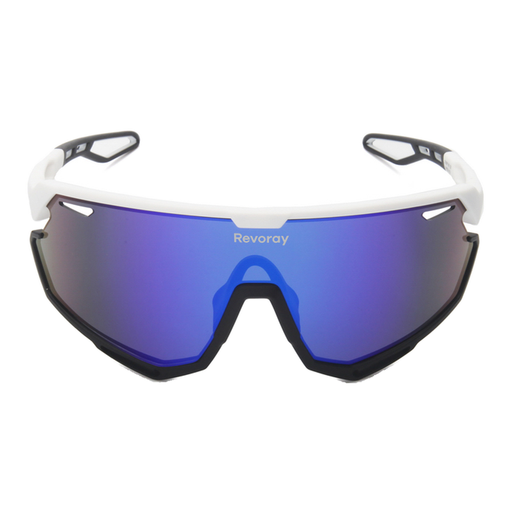
Why this pair stands out: These cycling sports glasses combine an approximately 30 g TR90 frame with a single-piece PC lens and are designed for road cycling, MTB and a range of outdoor activities.
The rubberised nose bridge and non-slip temples address a common fit issue. The UV400 and PC lens specifications are clearly stated.
Single-piece lens, aerodynamic shape, UV400 marking and a one-year limited warranty according to the product listing.
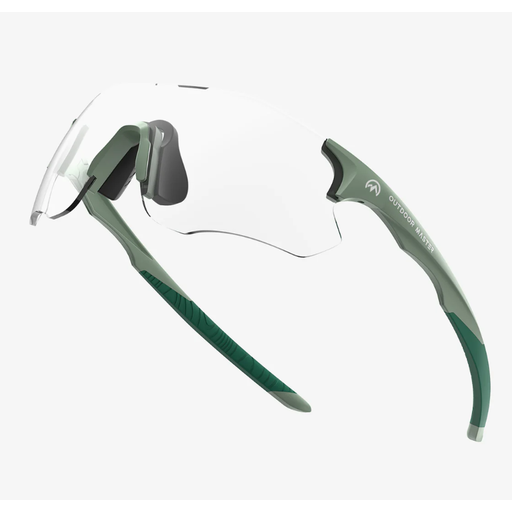
Why this pair stands out: These photochromic cycling glasses are well suited to rides where sunlight, shade and overcast sections alternate.
The stated tint range from Category 0 to 3 makes the intended use clearer than an imprecise marketing claim such as “automatically adjusting”.
TR90 memory frame, impact-resistant HD lens, UV400 specification and non-slip gel elements.
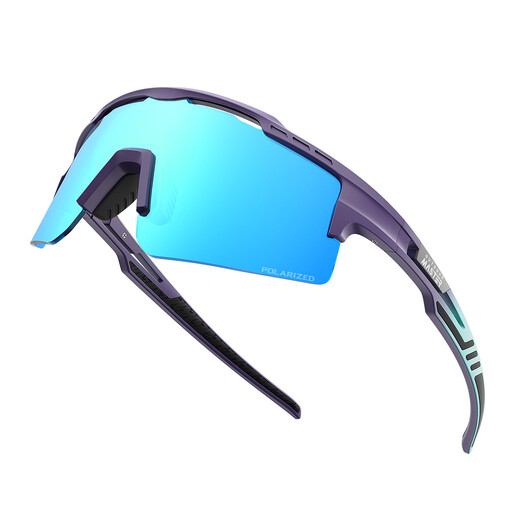
Why this pair stands out: Ideal for road and trekking cyclists who frequently ride on bright roads, near bodies of water or in strong side light.
Polarisation is explicitly stated and the glasses come with a test card. This allows you to verify the feature before your first longer ride.
Polarised TAC lens, UV400 specification, impact-resistant construction and EVA case included.
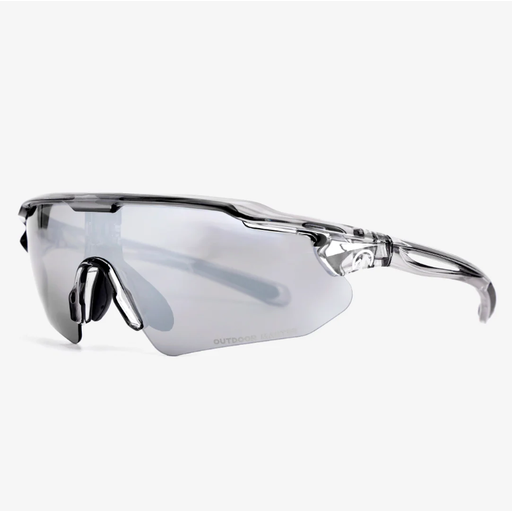
Why this pair stands out: This model combines photochromic and polarised PC lenses with a weight of approximately 26 to 29 g for extended cycling and outdoor tours.
Adjustable nose pads and the stated 140 mm frame width make it easier to assess the fit. The warnings clearly define the limitations of use.
Two lens technologies in one model, UV400 specification, TR90 frame, case and an additional prescription insert according to the product description.
First rinse away dust and fine dirt with clean water. A soft microfibre cloth is then suitable for drying and polishing. Alcohol, abrasive cleaners and aggressive cleaning products can damage coatings and plastic surfaces. Store your lightweight cycling glasses in a case and never place them lens-side down on hard surfaces.
Cycling glasses with a prescription insert should be fitted by an optician to match your prescription. Also check that the insert is compatible with the frame shape and your desired field of vision. Interchangeable lenses can be practical if you frequently switch between sunny roads and dark woodland paths; however, they also require more effort when transporting and caring for the glasses.
We have compiled an up-to-date selection of cycling glasses that can be compared using clear criteria such as UV400 protection, fit, lens type and intended use.
They can be useful for reducing reflections from roads or bodies of water. If you use a bike computer with a readable display, check the screen from your usual riding position before buying.
Their lifespan depends on lens care, UV exposure, crashes and scratches. There is no fixed expiry date. Replacement is advisable if the lenses have deep scratches or cracks, or if the temples or coatings are damaged.
The price depends primarily on the lens technology, frame, adjustment options and included accessories. Do not compare the purchase price alone; also consider the case, replacement pads, interchangeable lenses or a possible prescription insert. What matters most is whether the glasses suit your riding profile and face shape.