
Lieferung heute & morgen

Qualitätsgarantie

Willkommens-Angebote freischalten: KOSTENLOSE Lieferung | Bis zu 80 % RABATT | Kostenlose 30-Tage-JoyPlus-Testphase
App herunterladen
Cycling gloves should fit securely for cycling, mountain biking or riding a scooter, and be suited to the weather. In practice, three common buying pitfalls often lead to the wrong choice: a flashy product name does not replace concrete details on materials and protective features; a supposedly waterproof design can reach its limits in prolonged rain; and the wrong size reduces dexterity and grip on the handlebar.
The Joybuy Product Recommendation Officer’s selection therefore focuses on transparent product features. What matters are intended use, fit, material, level of protection and care instructions – not blanket marketing claims.
The term all-season cycling gloves initially suggests a broad scope of use. On its own, it doesn’t tell you whether a model is suitable for low temperatures, heavy rain or long rides. Look for specific details on lining, insulation, ventilation and water repellence.
For motorcycle gloves this distinction is especially important: water-repellent materials can fend off brief showers, but that doesn’t make them waterproof motorcycle gloves. The selected model with knuckle protection is also described as not suitable for heavy rain or prolonged immersion in water.
Cycling gloves with knuckle protection can be suitable for certain leisure and off-road uses. An integrated hard-shell protector does not automatically make a glove certified motorcycle protective equipment.
For motorcyclists, the EN 13594 certification is a key checkpoint. Check whether a relevant standard, CE mark and protection class are explicitly stated in the product information. If these are missing, the glove should not be chosen for motorised road use just because it says “Protection” in the name.
Touchscreen gloves usually have conductive fibres on one or more fingers. Operation can be limited by screen protectors, moisture or very small touch targets. Before buying, check which fingers the feature is on and whether the gloves fit snugly enough.
Hand width and hand length matter more than the simple labels S, M, L or XL. Measure the widest part of your palm and compare it with the size chart of the specific product.
A glove should:
For the motorcycle models described, size M is listed at around 7,5 to 8 cm hand width and 19 cm length. Size L is around 8 to 8,5 cm hand width and 20 cm length. For wider hands or if you’re between sizes, the larger option is recommended according to the product description. Compare these details with your own measurements before ordering.
Breathable cycling gloves are a good choice for warm rides and sporty use. Terms like “microporous structure” or “moisture-wicking” should always be considered alongside the actual material.
Polyester can be lightweight and low-maintenance. Carbon fibre hard shells are used as knuckle protectors on some motorcycle gloves. However, that does not allow a general statement about crash protection. For motorcycle use, explicitly stated standards and safety information are decisive.
An adjustable hook-and-loop fastener can make wrist adjustment easier. At the same time, it is a wear part and should be checked regularly for a secure hold. The product description of the selected motorcycle models recommends inspecting protectors and the hook-and-loop fastener in particular before every use.
Also note:
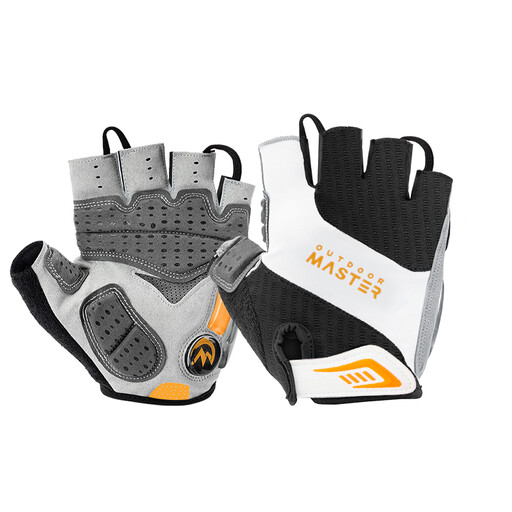
Why this product fits the profile: The clearly stated size M and the orange colourway make selection easier for leisure riders looking for men’s and women’s cycling gloves by size and visibility.
Don’t choose on colour name alone: check the current material, closure and care details on the product page before buying.
Orange colourway; size M available; listed as suitable for cycling use as intended.
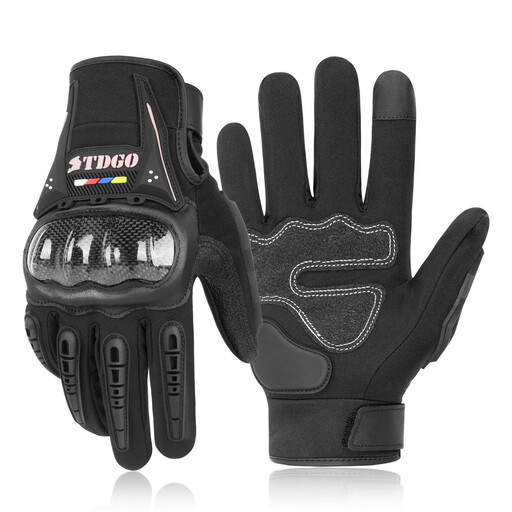
Why this product fits the profile: According to the description, the model combines knuckle protectors, conductive fibres on the index finger, water-repellent material and an adjustable closure.
The description explicitly states its limitation in heavy rain. Buyers can therefore separate its weather suitability from its protection level for dry or changeable rides.
Carbon fibre hard shells on the knuckles; touchscreen function on the index finger; size M with stated hand measurements.
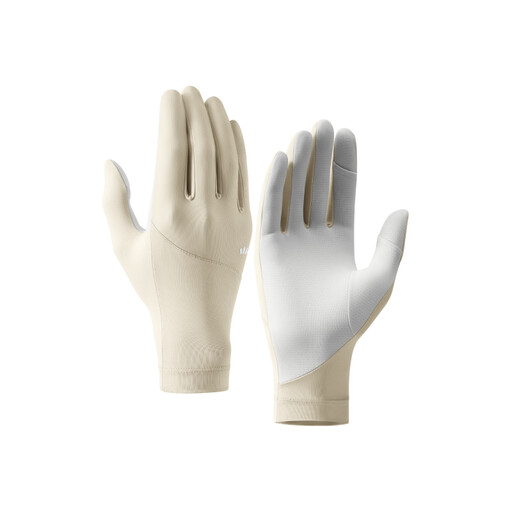
Why this product fits the profile: The one-size design and focus on summer cycling and outdoor sport suit users looking for lightweight outdoor gloves for regular activities.
This is described as a summer model. It should therefore not be mistaken for a warming all-season or waterproof glove.
Unisex design; one size F; according to the product name, geared towards summer sun protection and outdoor sport.
We’ve put together a comprehensive, continuously updated list of products that fully meet these strict selection criteria and the safety regulations in force in the EU.
For everyday rides and short training distances, lightweight, breathable cycling gloves are often sufficient if the fit is right. For longer tours, also consider ventilation, the closure and freedom of movement on the bars.
Mountain bikers focus more on abrasion zones, grip and, where relevant, protectors. For motorcycle and scooter riders, higher requirements apply to protection and standards marking. A cycling glove with a touchscreen feature is not automatically suitable as a motorcycle glove.
When it comes to colour, black cycling gloves are discreet and easy to pair. Orange cycling gloves can be a good choice if you prefer a more eye-catching colour. However, colour does not change either the protection class or weather resistance.
They should be close-fitting without creating pressure points. With a closed grip, your fingers should not strain against the seams. Gloves that are too loose can slip on the handlebar and make it harder to operate brakes or gears.
There’s no fixed service life. Frequency of use, sweat, UV exposure, washing and abrasion all influence wear. Regularly check seams, palms, the hook-and-loop fastener and any protectors. Damaged protective elements are a clear reason to replace them.
The touchscreen feature says nothing about waterproofing. Check the details on water repellence, membrane and limits of use separately. In heavy or prolonged rain, explicitly waterproof models are required; a model described as water-repellent may be unsuitable for that.