What should you look for when buying?
First, decide whether you want a snack for after your ride or something to keep you fuelled on a longer trip. Then you can compare portion sizes, nutritional values and ingredients with your needs in mind.
| Criterion |
What to check when buying |
Who should pay particular attention |
| Energy and portion size |
Compare kcal per 100 g and weigh out the amount you plan to eat; also check fat and salt. |
After an easy bike ride, I want a savoury snack without losing track of how much I’ve eaten. Portion control would be the top buying criterion for around 45% of consumers. |
| Fuel for your ride |
For longer or more intense rides, consider carbohydrates, fat content and how well the snack suits you. |
For a longer ride, I’m looking for something suited to eating on the go, rather than simply counting as few calories as possible. Around 33% of consumers would put fuelling first. |
| Ingredients and allergens |
Check the current ingredients list and allergen information on the pack; compare salt per 100 g if needed. |
If I need to avoid certain ingredients, the specific recipe determines whether a mix is suitable. Around 22% of consumers would treat ingredients and allergens as their most important consideration. |
Products at Joybuy
The selection below features a savoury alternative to a classic snack mix for a measured snack break. Whether it fits your calorie target depends on the nutritional values and the portion you actually eat.
 No image available
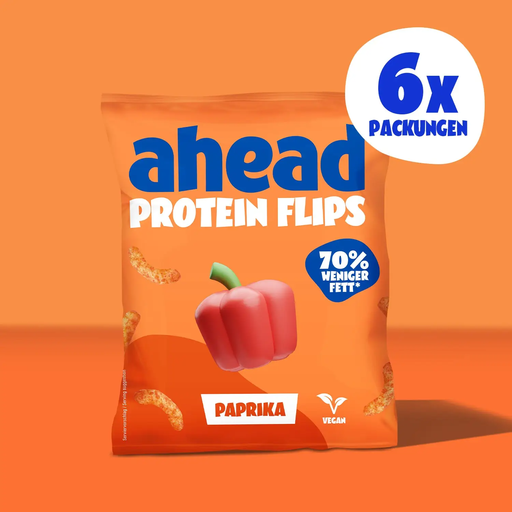
ahead Protein Flips Paprika, tray of 6 × 50 g
A savoury alternative for a measured snack break after your ride, rather than a classic snack mix.
The tray contains six 50 g bags. To check whether it fits your calorie target, compare the current nutritional values per 100 g and per bag. If you have allergies, check the labelling on the pack.
View at Joybuy
Frequently asked questions
Is a low-calorie snack mix always a good choice during a bike ride?
No. Especially on longer or more intense rides, you shouldn’t choose what to eat based solely on finding the fewest possible calories. The German Nutrition Society highlights the role of carbohydrates in supplying energy during exercise, so consider when you’ll eat the snack and how well it suits you.
How can I compare snack mixes sold in different-sized packs?
First compare energy, fat, carbohydrates and salt per 100 g, then work out the values for the portion you plan to eat. Using the same reference amount makes the packs easy to compare; the portion size shows how much you’d actually eat.
Do I need a protein snack for cycling?
A protein snack isn’t essential. The consumer advice centre points out that extra protein usually offers no necessary additional benefit, even for people who exercise. When choosing one, consider its purpose, portion size and nutritional values rather than relying on the word ‘protein’ alone.
What should I check on a snack mix if I have an allergy?
Check the ingredients list and allergen information on the pack of the specific product. The Federal Office of Consumer Protection and Food Safety lists cereals containing gluten, peanuts, tree nuts, milk and sesame, among others, as allergens that must be declared. Online information may differ from the current pack if the recipe has changed.


