
Lieferung heute & morgen

Qualitätsgarantie

Willkommens-Angebote freischalten: KOSTENLOSE Lieferung | Bis zu 80 % RABATT | Kostenlose 30-Tage-JoyPlus-Testphase
App herunterladen
A high-quality pair of cycling sunglasses is more than just a fashion statement. They protect your eyes from wind, insects, dust, and harmful UV radiation. However, the market is flooded with models whose marketing promises often suggest more than the products deliver. Many cyclists invest in glasses that prove to be uncomfortable, impractical, or short-lived. Before you make a decision, it's crucial to understand the common pitfalls.
Common Mistakes When Buying Sports Sunglasses:
To make an informed purchasing decision, you should focus on objective, technical features rather than marketing buzzwords. Three parameters are of central importance.
The choice of lenses depends heavily on your primary use case. Both technologies offer specific advantages:
Good road cycling glasses or mountain bike glasses must remain comfortable even after hours of wear. The frame's material and weight are decisive factors here.
Eye protection is the top priority. Two standards are non-negotiable:
Based on the objective criteria mentioned, we have identified several models suitable for specific user profiles.
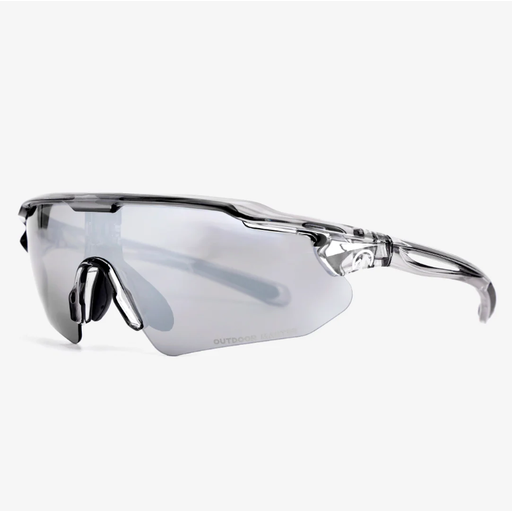
Why This Fits Their Persona: Ideal for ambitious cyclists who face changing light conditions on long tours. The combination of photochromic and polarization technologies offers maximum flexibility.
This model relies on two clearly defined, functional technologies (photochromic and polarized) instead of vague marketing terms. The TR90 frame ensures durability.
Combines two premium lens features in one pair of glasses. The low weight (26-29 g) and adjustable nose pads ensure high wearing comfort.
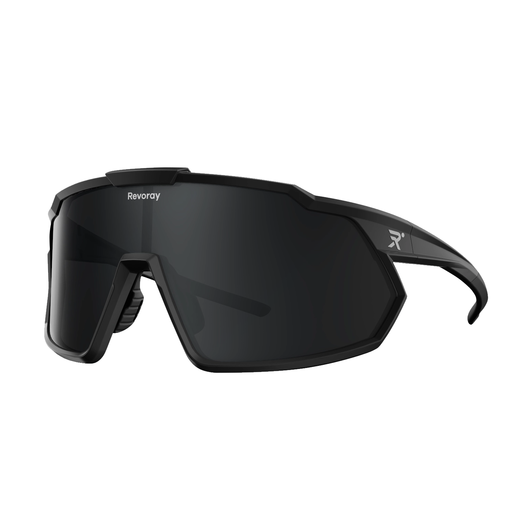
Why This Fits Their Persona: Perfect for cycling novices or budget-conscious athletes looking for reliable, essential gear. It offers all key protective features without costly extra add-ons.
This model offers certified UV400 protection and a robust TR90 frame. Its impact resistance is tested according to ANSI Z87.1, which is a clear mark of quality.
Features polarized TAC lenses and proven impact resistance. The lightweight design (approx. 33 g) and adjustable silicone nose pads ensure a secure fit.
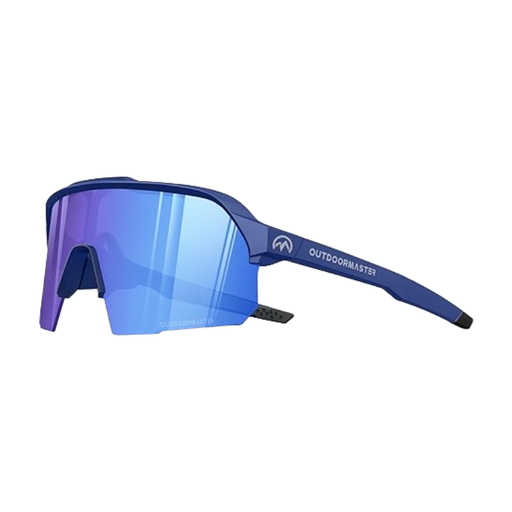
Why This Fits Their Persona: Suitable for athletes who, in addition to cycling, also engage in other sports like running or beach volleyball and need adaptable glasses for various light conditions.
Instead of a compromised "all-in-one" solution, this model offers true, functional adaptability for different conditions thanks to the included interchangeable lenses.
The package includes polarized lenses for sunny days and clear interchangeable lenses for overcast weather or dusk. The lightweight TR90 frame ensures comfort.
We have compiled a complete, real-time updated list of products that fully meet these strict selection criteria and safety regulations.
1. How do you properly clean cycling sunglasses without damaging the coating? To clean them, use lukewarm water and a few drops of pH-neutral soap. Then, rinse the lenses thoroughly and dry them with the included microfiber cloth. Avoid harsh detergents, paper towels, or cleaning them on your jersey, as this can scratch and damage the delicate coatings (e.g., anti-reflective or water-repellent layers).
2. Are photochromic cycling sunglasses useful in winter? Yes, photochromic lenses can be very practical in winter as well. The low-lying winter sun can cause significant glare, while rides through shady forest sections or at dusk require clearer vision. Photochromic lenses adapt to these rapid changes. However, note that the tint's reaction speed can be slightly slower in very cold temperatures.
3. What does UV400 protection mean for sports sunglasses?UV400 protection means that the sunglass lenses filter 99% to 100% of ultraviolet rays with a wavelength of up to 400 nanometers. This completely includes harmful UVA, UVB, and UVC rays. This protection is crucial to shield the eyes from short- and long-term damage, such as keratitis or cataracts. Always look for this specific label when making a purchase.