
Lieferung heute & morgen

Qualitätsgarantie

Willkommens-Angebote freischalten: KOSTENLOSE Lieferung | Bis zu 80 % RABATT | Kostenlose 30-Tage-JoyPlus-Testphase
App herunterladen
Cycling sunglasses need to do more than ordinary sunglasses. Whether you’re road cycling, mountain biking or heading out on a longer ride, you’ll encounter changing light conditions, wind, dust and bumps along the way. Your glasses also need to feel light, offer a wide field of vision and stay put when you sweat.
Many people make the same mistakes when choosing a pair: mistaking marketing terms for tested features, underestimating the importance of fit or choosing dark lenses for every type of weather. This guide explains which technical details really matter and which models suit different types of rider.
The UV400 label indicates protection against ultraviolet radiation up to a wavelength of 400 nanometres. On its own, it says nothing about impact resistance, field of vision, tint or lens quality. Check these features separately when choosing sports sunglasses for cycling.
Polarised cycling sunglasses can reduce reflections from wet roads, water and metallic surfaces. However, some displays, such as those on cycle computers and smartphones, may be harder to read from certain angles. If you often ride in changeable cloud, it’s also worth checking the lenses’ light transmission.
Lightweight cycling sunglasses can be more comfortable on long rides. But non-slip arms, a well-fitting nose pad and a secure fit are still essential. A frame that’s too loose can move on cobbled roads or rough trails, affecting your field of vision.
Look for a clearly stated UV400 rating and check whether the seller provides further information about the protection category or light transmission. A dark tint doesn’t automatically mean better UV protection.
Low visible light transmission can be useful on bright summer days. For example, Revoray Y1 models are listed with visible light transmission of around 15,2 percent. For early morning rides, woodland trails or changeable cloud, photochromic cycling sunglasses may be more practical. Their lenses adjust their tint in response to UV exposure. The speed and extent of this adjustment can vary depending on the model and temperature.
The lens material should suit how you ride, whether you’re looking for MTB glasses or road cycling sunglasses. Polycarbonate (PC) is often used for its high toughness and low weight. A single-lens design can provide a wide, uninterrupted field of vision.
According to the product details, Revoray Y1 models are tested against the impact-resistance performance requirements of ANSI Z87.1. This is a specific standard, but it doesn’t replace checking whether the glasses are approved for a particular activity. Even sunglasses described as impact-resistant aren’t intended for tasks such as grinding or machine work.
A TR90 sports glasses frame is made from a thermoplastic material that can be lightweight and flexible. For everyday use, also look for:
Weight alone isn’t enough to help you choose. Some of the models featured here are listed at around 30 to 33 grams. What matters is whether the glasses suit your face shape. Check measurements against descriptions such as ‘medium to large’ to make sure the frame is the right size for you.
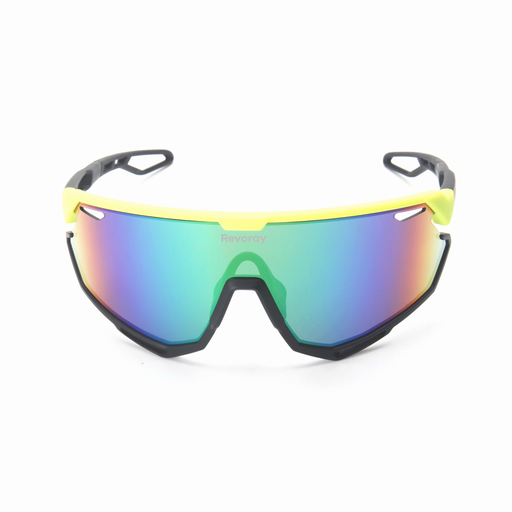
Why it suits this type of rider: The single PC lens, TR90 frame and stated weight of around 30 g provide a solid set of basic features for regular road rides and leisure cycling.
The product description specifies UV400, a single-piece PC lens and non-slip nose and arm pads, rather than relying solely on vague claims about protection.
TR90 frame, PC lens, UV400 rating and a frame shape described as aerodynamic.
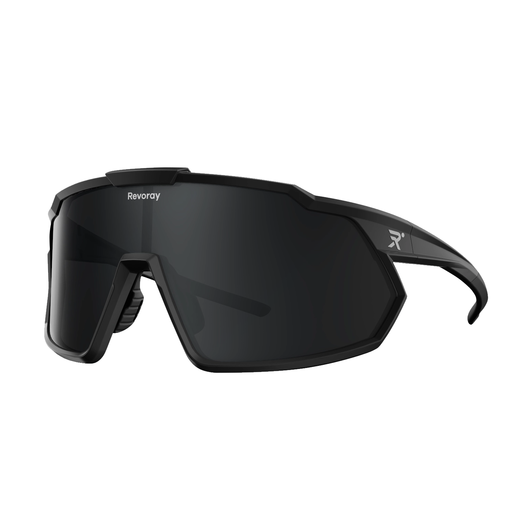
Why it suits this type of rider: TAC polarised lenses, a stated ANSI Z87.1 performance test and several coatings will appeal to riders who like to compare technical details closely.
The product details specify light transmission, material, standard and coatings. This makes it easier to judge whether the glasses are right for bright rides than a vague label such as ‘HD’ alone.
TAC polarisation, UV400, a weight of around 33 g and a water- and oil-repellent coating, according to the product details.
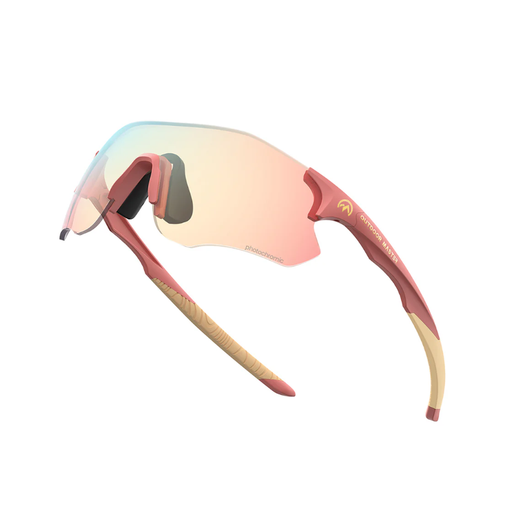
Why it suits this type of rider: The photochromic lens is stated to adjust between categories 0 and 3, making it a good option for riders moving between open roads and shaded stretches.
The lens tint adjustment is described in specific terms. Bear in mind, however, that photochromic lenses may not darken sufficiently behind a windscreen.
Photochromic HD lenses, UV400 rating, impact-resistant design and a TR90 frame with non-slip material.
Scratches are often caused not by riding, but by incorrect cleaning or careless storage. First rinse off any dust with clean water, then use a soft microfibre cloth. Alcohol, harsh cleaners and rough paper towels can damage lens coatings.
Keep your sunglasses in a case and avoid pressure, excessive heat and contact with sharp objects. Replace them if the lenses are deeply scratched, the hinges are loose or the lenses are damaged. There’s no set lifespan, as how often you ride, how you care for them and how you store them all make a difference.
We’ve put together a complete, regularly updated list of products that meet these strict selection criteria and the safety regulations in force in the EU.
Photochromic cycling sunglasses can adjust their tint in response to UV exposure. They’re a good choice for rides with changing light conditions. Still, check the stated tint categories, and bear in mind that the lenses don’t adjust at the same speed in every model.
Polarised cycling sunglasses can reduce reflections from wet roads and water. If you often check your cycle computer while riding, make sure the display is easy to read through the lenses before you buy.
The price depends mainly on the lens material, coatings, fit system, interchangeable lenses and documented test or protection ratings. So compare more than just the price: check UV400, weight, light transmission, lens type and what replacement parts are available.