
Lieferung heute & morgen

Qualitätsgarantie

Willkommens-Angebote freischalten: KOSTENLOSE Lieferung | Bis zu 80 % RABATT | Kostenlose 30-Tage-JoyPlus-Testphase
App herunterladen
Cycling sunglasses need to do more than ordinary sunglasses. When you’re road cycling, wind, changing light conditions and reflections from the road all come into play. Mountain biking adds dust, branches and uneven trails to the mix. If you choose based only on a striking lens colour or a low price, you could easily overlook important features.
As a Joybuy Product Recommendation Officer, I’ve sifted through the relevant product information to show you which features are genuinely worth checking for cyclists in the UK.
A dark lens alone tells you nothing about its level of UV protection. What matters is the stated rating, such as UV400. This indicates protection across the intended range up to a wavelength of 400 nanometres. So check the specific product information rather than judging by the tint alone.
Polarised sports sunglasses can reduce distracting reflections from wet roads, water and vehicles. However, displays, certain coatings and rapidly changing light conditions can look different through polarised lenses. Very dark lenses aren’t always practical on rides through woodland, tunnels or overcast conditions.
Lightweight TR90 sunglasses can reduce pressure on your nose. But for cycling, non-slip arms, a well-fitting nose bridge and sufficient coverage matter too. If your cycling sunglasses shift when you move your head, sweat or bumps in the road could make them slip out of place. So check claims such as “fits all face shapes” against the measurements and adjustment options.
Look for a clearly stated UV400 rating. For polarised lenses, light transmission and intended use are also important. A VLT rating, or visible light transmission, can help you work out which conditions the lenses are suited to:
Photochromic cycling sunglasses are particularly useful for long rides with changing light conditions. However, they don’t automatically replace clear lenses for very dark environments.
Polycarbonate and TAC lenses are often used in sports sunglasses because of their physical properties. Product descriptions such as “impact-resistant” indicate increased durability, but they don’t mean the sunglasses are indestructible. So don’t mistake shatterproof sports sunglasses in the everyday sense for certified safety eyewear.
If a manufacturer lists a standard, consider it separately. For example, one Revoray model is listed as meeting ANSI Z87.1 performance standards. Even so, the sunglasses should only be used for their intended leisure and sporting activities, not for grinding or similar high-risk tasks.
For longer rides, the following details are particularly useful:
Windproof sunglasses should provide enough coverage at the sides without completely restricting airflow. Otherwise, condensation may build up more easily in cold weather or during strenuous rides.
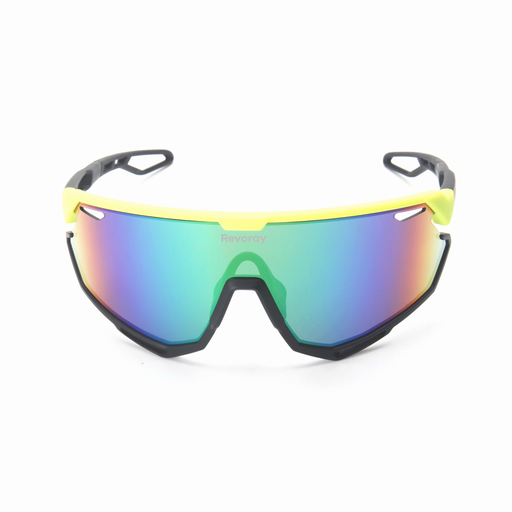
Why this product suits this profile: These cycling sunglasses combine a single-piece PC lens, a UV400 rating and a TR90 frame weighing around 30 g. That makes them a sensible option for your first road or mountain bike rides.
The product information specifies the weight, materials, UV400 rating and non-slip components, rather than relying on vague promises of comfort.
Single-piece PC lens, TR90 frame, aerodynamic shape and rubber nose pad, according to the product information.
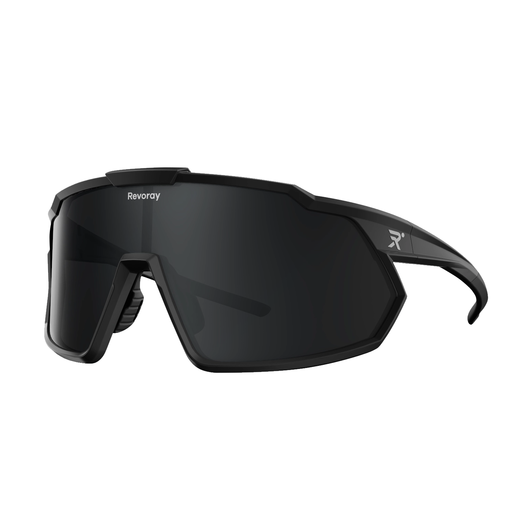
Why this product suits this profile: These cycling sunglasses are for riders who want to compare polarisation, an adjustable fit and specific lens coatings.
The product details specify light transmission of around 15.2%, ANSI Z87.1, UV400, and water- and oil-repellent coatings.
TAC polarised lenses, a weight of around 33 g, adjustable silicone nose pads and a TR90 frame, according to the manufacturer.
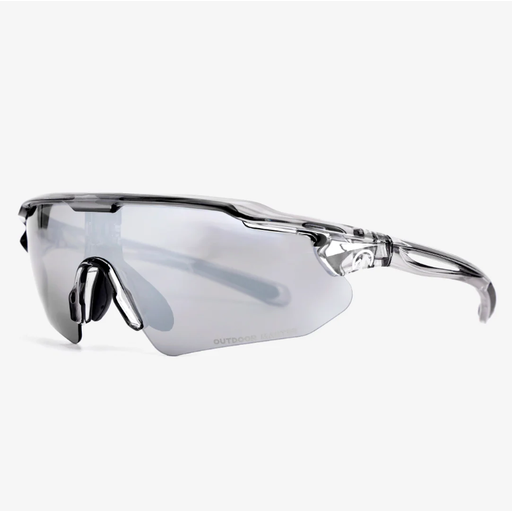
Why this product suits this profile: Designed for long rides in sunshine, shade and changeable conditions, this model combines photochromic and polarised features.
The product details separately state the weight of 26 to 29 g, UV400 rating and lens technology, and note that the lenses may not darken as much behind windscreens.
Photochromic and polarised PC lenses, adjustable nose pads and a storage case included.
We’ve put together a complete, regularly updated range of products that meet these strict selection criteria and the safety regulations in force in the EU.
How long your sunglasses last depends largely on how you use and care for them. First rinse off dust with clean water, then clean the lenses with a suitable soft cloth. Dry particles can cause scratches. Alcohol, harsh cleaning products and rough fabrics can damage lens coatings.
Store your cycling sunglasses in a case and replace them if the lenses are badly scratched, cracked or warped. A loose frame or damaged nose pads can also affect how securely they fit. Sports sunglasses are not a substitute for certified eye protection when carrying out DIY or other practical work.
Photochromic cycling sunglasses can adjust their tint according to UV exposure. This technology is useful for regular rides through woodland, open roads and changing cloud cover. Still, check the tint category and any limitations stated by the manufacturer.
Polarised cycling sunglasses can reduce reflections from wet roads and water. If you mostly ride in shaded areas or often look at displays, also check the light transmission and how clearly you can see what’s on screen.
Many models for longer rides weigh around 25 to 33 g. But weight alone doesn’t determine comfort. Frame width, nose pads, arm shape and a secure fit are just as important when choosing cycling sunglasses for men and women.