
Lieferung heute & morgen

Qualitätsgarantie

Willkommens-Angebote freischalten: KOSTENLOSE Lieferung | Bis zu 80 % RABATT | Kostenlose 30-Tage-JoyPlus-Testphase
App herunterladen
A high-quality pair of cycling sunglasses is more than just a fashion accessory. It protects your eyes from UV radiation, wind, insects, and kicked-up debris. However, the market is filled with models whose marketing promises often suggest more than the products deliver. Incorrect material specifications or overhyped features can quickly lead to a bad purchase. This guide highlights which features truly matter and how to find sports sunglasses that meet your needs.
Many cyclists and outdoor enthusiasts invest in glasses that prove to be impractical or low-quality after a short time. You should know these three common problems to avoid them:
To avoid these pitfalls, you should base your choice on objective criteria. Two technical features are central to a functional pair of road bike sunglasses or general sports sunglasses.
The lenses are the heart of any pair of cycling sunglasses. Complete UV400 protection, which blocks UVA and UVB rays, is the absolute minimum standard. Beyond that, there are two key technologies for different applications:
The material and construction of the frame determine its durability and wearing comfort.
Based on these criteria, we have identified a few models that offer a well-thought-out solution for specific user groups.
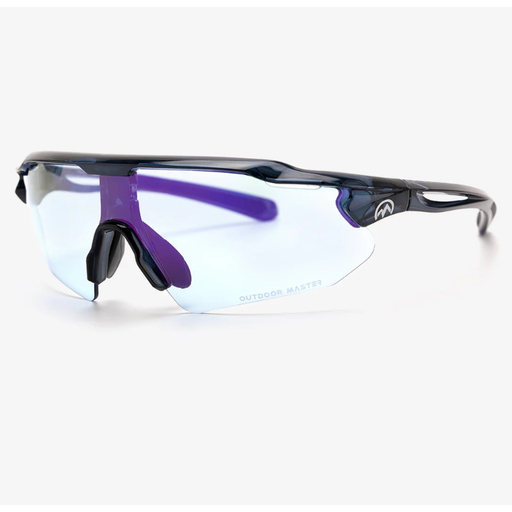
Why This Fits Their Persona: Ideal for cyclists who ride in all weather and want a single pair of glasses for all conditions. The combination of photochromic and polarised technology offers maximum flexibility.
Instead of a fixed tint, the lens actively adapts to changing light conditions while also reducing glare. The problem of an inappropriate tint is solved technologically here.
Combines photochromic and polarised lenses; lightweight TR90 frame (29g); adjustable nose pads for a secure fit.
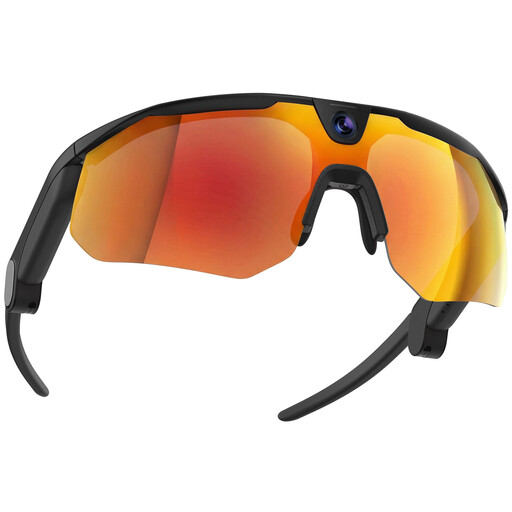
Why This Fits Their Persona: Perfect for tech-savvy riders who want to record and share their rides from a first-person perspective. These camera glasses combine eye protection, audio, and video recording in one device.
Instead of a low-quality camera, this model offers 3K video resolution with image stabilisation and high-quality Zeiss lenses. It's a specialised tool, not a gimmick.
Integrated 16MP camera with 3K video; open-ear audio with wind noise reduction; AI-powered video editing via app.
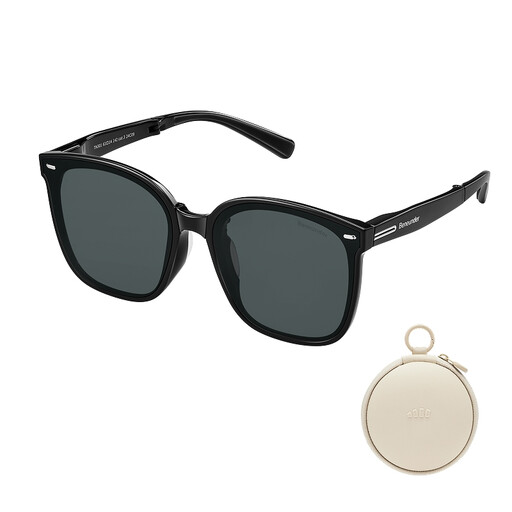
Why This Fits Their Persona: For users seeking functional yet fashionable glasses for daily life, travel, and occasional sports activities. Their foldability makes them extremely portable.
Solves the problem of bulky sports glasses. The patented folding design reduces the glasses to a thickness of 35 mm without compromising on UV protection or the stability of the TR90 frame.
Patented triple-fold design; extremely lightweight (26g); full UV400 protection and anti-glare coating.
We've compiled a complete, up-to-date list of products that fully meet these strict selection criteria and all relevant safety standards.
Polarised sunglasses specifically reduce glare caused by reflections on surfaces like water or wet roads. They are ideal for consistently bright conditions. Photochromic cycling sunglasses dynamically adjust their tint based on UV light intensity. They get darker in the sun and lighter in low light, making them perfect for changing conditions. Some models combine both technologies.
Proper care is crucial for the longevity of the lenses and their coatings. Clean the lenses only with a clean microfibre cloth and, for heavier dirt, with lukewarm water. Avoid harsh cleaning agents or paper towels, as they can scratch the coating. For sunglasses storage, a hard case is essential to protect the glasses from pressure and impacts. At home, an organiser with a soft lining, like the JOYFURNOS Jewellery Box with Glass Lid, can keep multiple pairs dust-free and neatly organised.
Yes, there are several options. Some sports sunglasses models come with a clip-in adapter. An optician can fit prescription lenses into this inner frame. This is a flexible solution, as the clip can be removed when needed, for example, when wearing contact lenses. The OutdoorMaster and BleeqUp models in our selection include such a prescription insert in the box.