
Lieferung heute & morgen

Qualitätsgarantie

Willkommens-Angebote freischalten: KOSTENLOSE Lieferung | Bis zu 80 % RABATT | Kostenlose 30-Tage-JoyPlus-Testphase
App herunterladen
Cycling sunglasses need to do more than ordinary sunglasses: they should stay securely in place in changing light, protect you from UV rays and restrict your field of vision as little as possible. Road cyclists, mountain bikers and other outdoor enthusiasts all have different needs to consider.
Many disappointing purchases aren’t down to missing features, but to misleading product information. A large lens won’t necessarily suit every face shape, “polarised” doesn’t guarantee optimal vision in all weather conditions, and a lightweight design is no substitute for a secure fit.
The UV400 marking indicates that the lenses are designed to filter ultraviolet radiation with wavelengths up to 400 nanometres. On its own, however, it tells you nothing about tint, glare protection, field of vision or impact resistance. So, also look for clear information about the lens material, coatings and intended use.
Polarised sports sunglasses reduce distracting reflections, such as those from wet roads, bodies of water or bright vehicle surfaces. Photochromic cycling sunglasses, on the other hand, adjust their tint to the intensity of the light. The two technologies serve different purposes, although some models combine them.
Important: photochromic lenses may adjust less effectively in a car, as the windscreen filters out some UV radiation. A conventional pair of UV400 sunglasses or a pair of folding sunglasses is often more practical for drivers.
A lightweight design can make sunglasses more comfortable to wear, but it doesn’t automatically stop them slipping. For rides on uneven trails, non-slip nose pads, grippy arms and a frame width that suits you are essential. Lenses that are too large may also press against your cheeks or helmet.
Cycling sunglasses with UV400 protection are a sensible baseline for sunny outdoor activities. Polycarbonate lenses, or PC lenses, are commonly used because they’re lightweight and impact-resistant. Nylon lenses can also offer a lightweight design with some flexibility.
Don’t take the term “impact-resistant” to mean unbreakable. Replace the lenses if they have visible scratches, cracks or damaged coatings. Sports sunglasses are not designed for tasks such as grinding or machine work.
VLT refers to visible light transmission. A low VLT value means darker lenses, which can be helpful in bright sunshine. However, a tint that’s too dark may affect your vision on woodland trails, on overcast days and in changing light.
Photochromic cycling sunglasses listed as Cat. 0 to Cat. 3 cover a range of light conditions. Even so, check how quickly the tint changes and whether it suits the conditions you’ll use them in – for example, in woodland or at dusk.
Lightweight TR90 sunglasses feature a flexible plastic frame, often advertised for its shape-retaining properties in sports models. What matters most, though, are the actual measurements:
For road cycling and mountain biking, a curved, one-piece lens can provide a wide field of vision. For everyday use, travel and driving, compact or folding sunglasses are often easier to pack away.
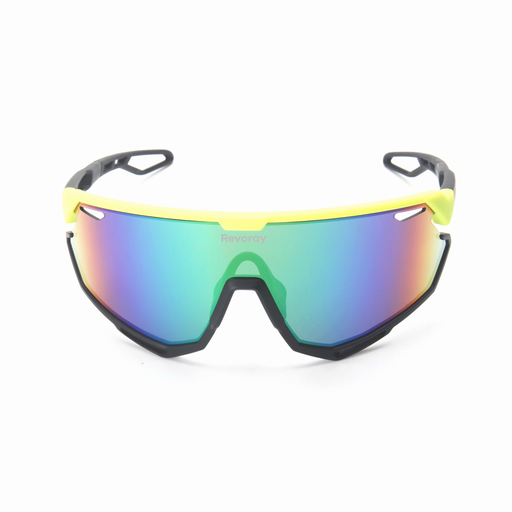
Why this product suits this profile: These cycling sunglasses combine a one-piece PC lens, UV400 protection and a TR90 frame weighing around 30 g. They’re a good fit for your first rides on roads, cycle paths and easy trails.
The product details specify the weight, PC lens, UV400 protection and non-slip nose pads and arm grips, rather than relying on fashion-led design claims alone.
One-piece PC lens, weight of around 30 g and a frame shape described as aerodynamic.
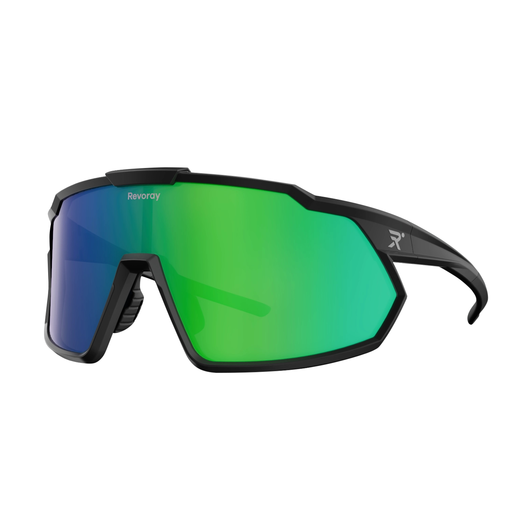
Why this product suits this profile: These cycling sunglasses are designed for riders who want to account for reflective surfaces, bright tarmac and longer rides.
The specifications state a visible light transmission of around 15.2%, as well as water- and oil-repellent properties. This makes it easier to assess whether they’re suited to very bright conditions.
TAC polarised lenses, UV400 rating, weight of around 33 g and adjustable silicone nose pads.
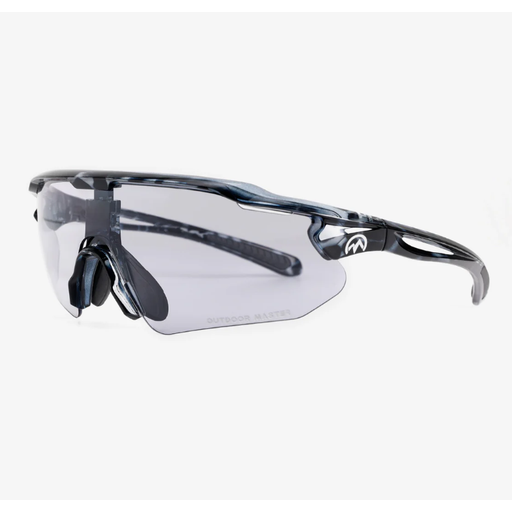
Why this product suits this profile: The combination of photochromic, polarised PC lenses is worth considering if you ride across open terrain, woodland sections and changing light conditions.
The product description highlights the limitations of photochromic lenses in vehicles and describes the lenses as impact-resistant, not unbreakable.
TR90 frame, PC lenses, UV400 rating, adjustable nose pads and a stated weight of 26 to 29 g.
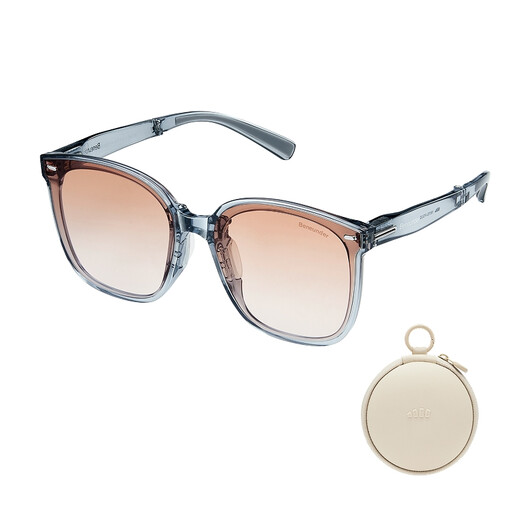
Why this product suits this profile: This folding design is easy to carry and suits travel luggage, everyday use and occasional rides in daylight.
The product details specify a folded size of around 35 mm, a weight of 26 g and care instructions for the hinges and coating.
TR90 frame, nylon lenses with UV400 coating, OAR anti-reflective coating and a compact folding design.
We’ve put together a complete, regularly updated list of products that meet these strict selection criteria and fully comply with the safety regulations in force in the EU.
First, rinse off dust and fine sand with clean water. Only then should you clean the lenses with a soft microfibre cloth. Alcohol, harsh cleaners and rough paper towels can damage the coatings.
Store your sunglasses in a case and avoid high temperatures, heavy pressure and contact with keys or tools. If you wear them regularly, check the hinges, nose pads and lenses. Their actual lifespan depends on UV exposure, transport, care and mechanical wear.
Photochromic cycling sunglasses can adjust their tint in response to UV exposure, making them a good option for changing outdoor conditions. This adjustment may be limited when driving. If you regularly ride through tunnels or at night, check the light transmission particularly carefully.
Polarised sports sunglasses can reduce reflections from roads, water or metal surfaces. They’re especially useful in bright daylight. However, heavily tinted lenses may be less suitable for overcast woodland routes or very low-light conditions.
The price depends on factors such as lens material, coatings, adjustment systems, replacement lenses and what’s included. Don’t just compare the purchase price: also check the information on UV400 protection, weight, fit, care and warranty. This will help you decide whether the cycling sunglasses suit the way you plan to use them.