
Lieferung heute & morgen

Qualitätsgarantie

Willkommens-Angebote freischalten: KOSTENLOSE Lieferung | Bis zu 80 % RABATT | Kostenlose 30-Tage-JoyPlus-Testphase
App herunterladen
Searching for the term "cylinder" reveals a surprisingly diverse world of products. From household appliances and car accessories to decorative items, the cylindrical shape is functionally and aesthetically relevant in many areas. But this diversity also has its pitfalls. An ill-considered purchase can quickly lead to frustration, whether due to incompatible replacement parts or products whose performance fails to meet expectations. This guide will help you understand the essential criteria and make an informed decision.
Before you make a purchase, it's helpful to be aware of the most common problems that can arise with products featuring cylindrical components.
To avoid the pitfalls mentioned above, you should check a few core parameters before buying. These will help you separate the wheat from the chaff and find a product that reliably serves its purpose.
Always check for compatibility with your existing system before purchasing replacement or accessory parts.
The quality of the material determines a product's safety and lifespan.
Don't be guided solely by wattage ratings. Look for specific performance metrics.
Based on the criteria above, we have compiled a selection of products for typical use cases.
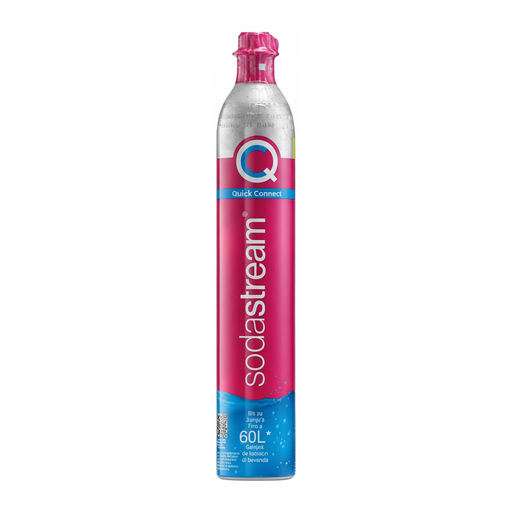
Why it's a great fit: Ideal for anyone looking to reduce their plastic waste and ensure they never run out of sparkling water. A spare cylinder provides a seamless transition while the empty one is being exchanged.
This product is explicitly marked as a Quick Connect (QC) cylinder, guaranteeing it will fit compatible SodaStream machines like the Duo and Terra. This avoids the incompatibility trap.
According to the manufacturer, one canister carbonates up to 60 litres of water. This saves you from carrying heavy crates of water and reduces single-use plastic.
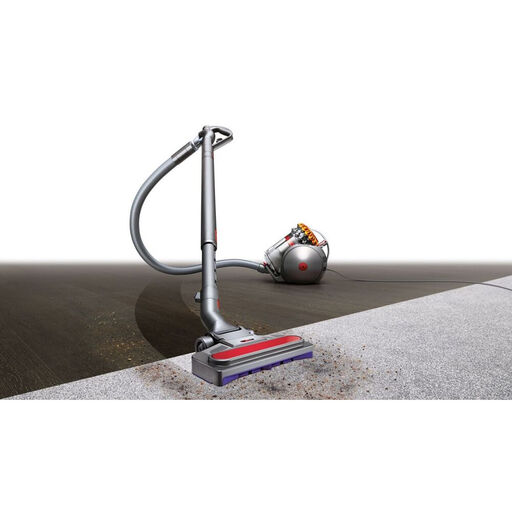
Why it's a great fit: For households that value high cleaning performance, advanced filtration, and ease of use. The bagless technology eliminates the recurring cost of dust bags.
Instead of a high wattage rating, the product description focuses on the 2-Tier Radial Cyclone technology and a suction power of 184 AW. This provides an objective performance metric instead of a misleading power consumption figure.
The Big Ball technology allows the vacuum to self-right if it tips over. The hygienic bin emptying mechanism avoids contact with dust.
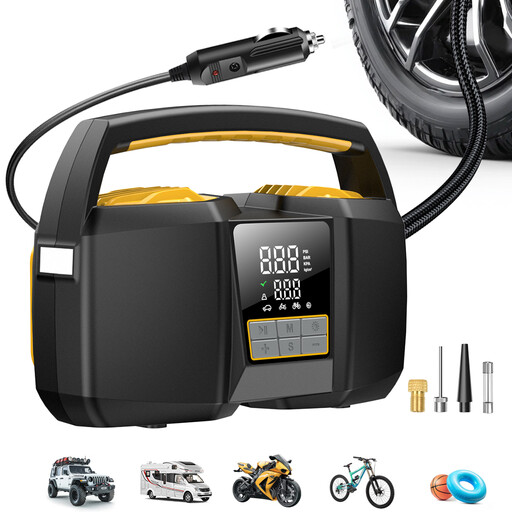
Why it's a great fit: A compact companion for the boot, allowing you to react quickly and easily to a flat tyre or low tyre pressure. Suitable for car, motorcycle, and bicycle tyres.
The product specifies clear performance data like 150 PSI and highlights its robust construction with dual 25-cylinders. The long power cord is a practical detail that simplifies handling and is often overlooked.
Power is supplied directly via the vehicle's 12V socket, so no external batteries are needed. The integrated LED light is useful for breakdowns in the dark.
We have compiled a complete, up-to-date list of products that fully meet these strict selection criteria and UK safety regulations.
1. How often does a CO2 cylinder for a sparkling water maker need to be replaced? The lifespan heavily depends on your personal consumption and the carbonation level you set. A standard CO2 cylinder, such as those offered by SodaStream, is typically sufficient for making up to 60 litres of sparkling water. With daily use, a replacement may be necessary every few weeks to months.
2. What is more important in a cylinder vacuum cleaner: Watts or Airwatts? The Airwatt (AW) rating is significantly more meaningful for assessing cleaning performance. It describes the actual suction power, which is the combination of airflow and vacuum pressure. The wattage, on the other hand, primarily indicates the motor's energy consumption. An efficient vacuum cleaner can achieve a high Airwatt rating with lower wattage.
3. Are glass cylinders for candles always heat-resistant? No, not all glass cylinders are suitable for use with candles. To minimise the risk of cracking or shattering from heat, you should look for products made from borosilicate glass. This material is specifically known for its high heat resistance and resistance to thermal shock, which is why it is often used for teapots, laboratory glassware, and high-quality candle lanterns.