
Lieferung heute & morgen

Qualitätsgarantie

Willkommens-Angebote freischalten: KOSTENLOSE Lieferung | Bis zu 80 % RABATT | Kostenlose 30-Tage-JoyPlus-Testphase
App herunterladen
Choosing a canister vacuum cleaner depends on a range of technical parameters that should be tailored to a household's individual needs. Key differentiators include the dust collection system (bagged or bagless), filtration performance, the ratio of motor power to energy efficiency, and accessories for specific floor types. This guide breaks down the crucial criteria for making an informed purchasing decision.
Your choice of model should be based on an objective assessment of its technical specifications and intended use case.
The most fundamental decision concerns the dust collection system. Both options offer distinct functional advantages and disadvantages.
A motor's wattage alone is not a reliable indicator of a powerful vacuum cleaner. True cleaning performance results from the interplay of motor power, nozzle design, and the device's overall airflow efficiency. Thanks to optimised engineering, modern units with lower power ratings can achieve greater suction at the nozzle than older, high-wattage models. Look for a balanced ratio between power consumption (watts) and cleaning results.
For allergy sufferers and health-conscious households, the filtration system is a critical criterion. High-quality canister vacuums are equipped with a HEPA (High-Efficiency Particulate Air) filter. These filters are capable of capturing even the smallest particles, such as pollen, dust mite droppings, and fine dust, from the exhaust air. A multi-stage filtration system, combining a motor filter with an exhaust filter, ensures cleaner air in your room after vacuuming.
The operating radius, defined by the combined length of the cord and hose, determines the vacuum's reach without needing to switch power outlets. A radius of over 8 metres is recommended for medium to large living spaces. Standard accessories should include not only a combination floorhead but also specialised attachments. A parquet tool with soft bristles is essential for delicate hard floors like parquet to prevent scratches. Crevice and upholstery tools enhance cleaning flexibility.
The following models represent a selection covering different technical approaches and user profiles.
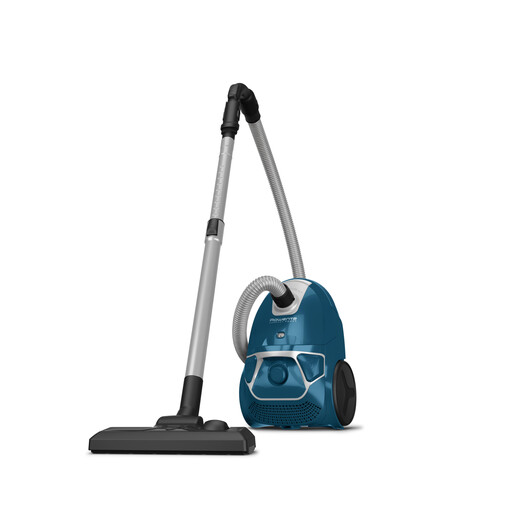
Why We Recommend This Product The Rowenta RO3950EA is a classic bagged vacuum cleaner that stands out for its compact design and accessories specialised for hard floors. The 750-watt motor is engineered for energy efficiency, while the hygienic filter system ensures clean exhaust air.
Pros
Who It's For This model is suitable for users who prefer a proven bagged system and primarily clean hard floors such as parquet, laminate, or tile. Its compact form factor makes it ideal for apartments with limited storage space.
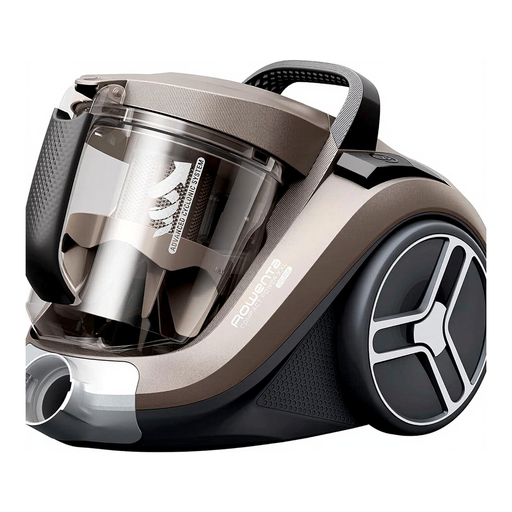
Why We Recommend This Product The Rowenta vacuum RO4B30 combines the cyclone technology of a bagless system with an exceptionally large 2.5-litre dustbin capacity. According to the manufacturer, its three-stage filtration system captures over 99.98% of dust particles.
Pros
Who It's For This appliance is designed for households looking for a high-capacity bagless vacuum cleaner. It's an excellent choice for larger homes and for users who want to minimise maintenance by emptying the bin less frequently.
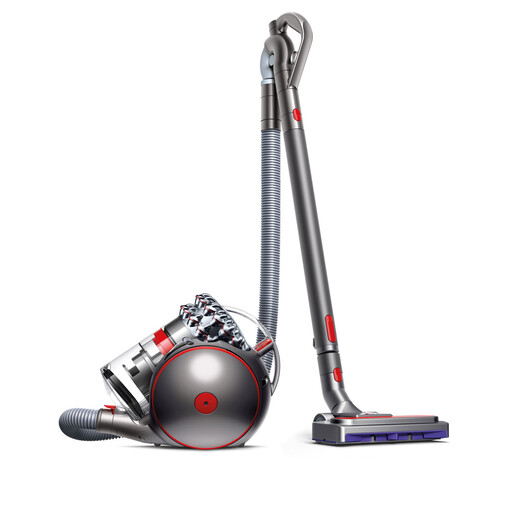
Why We Recommend This Product The Dyson vacuum cleaner Cinetic Big Ball Absolute 2 is distinguished by its Dyson Cinetic technology. According to the manufacturer, the cyclone tips capture microscopic dust, which means there are no filters to wash or replace and no loss of suction.
Pros
Who It's For This premium model is aimed at tech-savvy users who value minimal maintenance and consistently high suction power. Its extensive accessory kit makes it suitable for households with mixed flooring (carpet and hard floors) and specific cleaning needs.
The products featured here represent a cross-section of available technologies and configurations. For a broader selection of appliances that may meet other specific requirements, we recommend exploring further options.
Discover additional models and configurations in our Vacuum Cleaner Outlet.
1. How many watts should a powerful vacuum cleaner have? Wattage only indicates the motor's power consumption, not the suction power at the nozzle. A powerful vacuum cleaner is characterised by an efficient overall system, including the nozzle, wand, and airflow design. Modern 700- to 900-watt units can deliver better cleaning performance than outdated 2000-watt models.
2. Is a bagless vacuum cleaner better for allergy sufferers? Not necessarily. Bagged vacuums allow for very hygienic disposal, as the dust remains trapped inside the bag. With bagless models, emptying the bin can release airborne dust. For allergy sufferers, the crucial feature in either system is a high-quality HEPA filter to capture particles from the exhaust air.
3. Which canister vacuum is suitable for parquet and hard floors? For delicate hard floors like parquet, a model with a specialised parquet tool is the right choice. These nozzles have soft bristles that clean the floor gently and prevent scratches. Many models, such as the Rowenta RO3950EA, already include such a tool in the box.