Cleaning corners after walks
You want to reach dry cobwebs along skirting boards and in low corners, while also clearing dry dirt from the entrance area. Bosch home appliances describes the crevice tool as an attachment for crevices and corners.


For dry cobwebs in low corners, the right crevice tool is essential; a high wattage alone won’t tell you whether the attachment will reach into the corner. Bosch home appliances lists crevice tools as attachments for crevices and corners. Don’t vacuum up wet mud with an ordinary dry vacuum cleaner: wipe it up, or only use a device specifically designed for the job, following its instructions.
You want to reach dry cobwebs along skirting boards and in low corners, while also clearing dry dirt from the entrance area. Bosch home appliances describes the crevice tool as an attachment for crevices and corners.
If dry crumbs and fine dirt regularly end up on your floors, the right floor attachment matters, as do the vacuum’s reach and how you maintain its bag or dust container.
It’s important to consider how you’ll dispose of the dust collected: compare changing a dust bag with emptying an open container and then maintaining the filter.
First decide whether you’d rather dispose of dust in a bag or maintain the container and filter yourself. Then check which attachment will fit into your corners and whether the dirt you’re vacuuming is dry.
| Buying consideration | What to look for | Who is it important to? |
|---|---|---|
| Reaching low corners | Check the shape and fit of the crevice tool, and whether it’s included with the specific model. | If I want to remove dry cobwebs along the skirting boards after a walk, the crevice tool needs to reach into low corners. Around 40% of consumers put reach into corners first. |
| Distinguishing between dry and wet dirt | Check whether the dirt is dry before vacuuming; if it’s wet, follow the appliance instructions. | If there’s still damp mud on my shoes, I want to know whether I need to wipe it up or whether my appliance is specifically designed for it. Around 30% of consumers prioritise dealing with wet dirt. |
| Disposing of dust and maintaining the appliance | For bagged models, consider the type of bag and whether replacements are available; for bagless models, check the instructions for the container and filter. | If I vacuum up dirt regularly, I want a disposal method with maintenance that suits my routine. Around 30% of consumers focus on dust disposal and maintenance. |
An ordinary dry vacuum cleaner isn’t designed to pick up water or wet mud. Bosch home appliances warns against vacuuming liquids with an appliance that isn’t designed for them.
Check whether the dirt is dry before vacuuming. Wipe up anything wet, or follow the instructions for a wet and dry vacuum cleaner specifically designed for the job.
Wet dirt can also mean a more involved clean-up afterwards.
The wattage doesn’t tell you whether the attachment can reach into a narrow space. For low corners, what matters is whether a suitable crevice tool is included and can be used with the vacuum cleaner.
Check the shape, fit and included accessories for the specific model. Bosch home appliances describes this attachment as being for crevices and corners.
With bagless models, you’ll need to maintain the container and filter according to the instructions for that particular model.
Decide which disposal method suits you best. For a bagged model, check which bags it takes; for a bagless one, check the maintenance instructions for the container and filter.
AEG offers bagged and bagless cylinder vacuum cleaners. The features below relate to the models mentioned.
The Guard M1 Flex is a bagged cylinder vacuum cleaner. The manufacturer’s specifications list a flexible crevice tool.
The Power XXL Parkett RO3143EA is a bagged model with attachments for corners and floors.
Bosch offers bagged and bagless cylinder vacuum cleaners. The BGS41MPOW is a bagless model.
The LIFE P4000 is a bagless cylinder vacuum cleaner with several attachments.
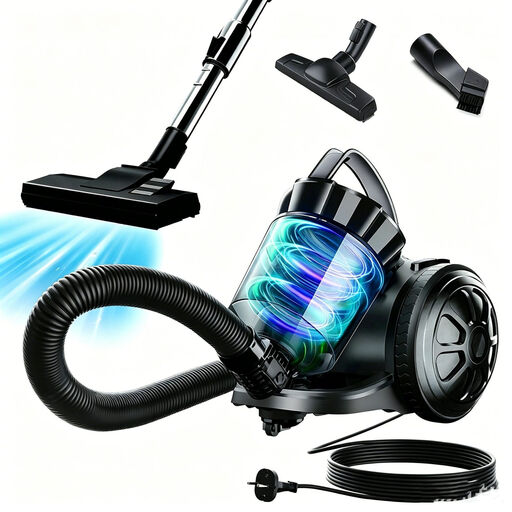
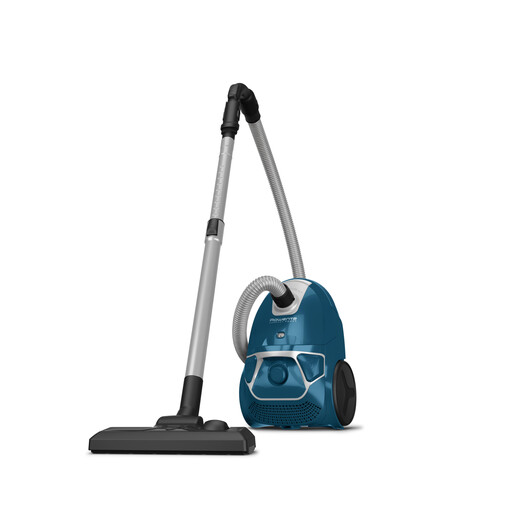
The Joybuy options below include a bagless vacuum cleaner with a crevice tool and a bagged cylinder vacuum cleaner with crevice accessories for dry corners and floors.
 No image available
For dry cobwebs, the integrated 2-in-1 crevice tool mentioned in the product description is useful.
The product also lists a 2,2-l dust container, a floor brush, an upholstery brush, a telescopic handle and a tube. The product name describes the filter as a HEPA filter.
 No image available
The crevice accessory listed is useful for dry corners, while the floor and parquet nozzles are designed for the surrounding areas.
The product specifications list 900 W, a 3-l dust bag, a metal telescopic tube, and floor and parquet nozzles. It’s listed for use on hard floors and carpets; replacement bags may need to be purchased separately.
Not with an ordinary dry vacuum cleaner. Wipe up wet mud, or check whether the specific appliance is expressly designed for wet vacuuming and follow its instructions.
A crevice tool that fits your vacuum cleaner is designed for dry cobwebs and dust in narrow corners. Before buying, check what’s included, and use a suitable attachment for any nearby delicate flooring.
A bagged model may suit you better if you want to dispose of dust in a bag and don’t mind buying replacement bags. A bagless model means there are no bags to replace, but you’ll need to maintain the container and filter according to the instructions for that specific appliance.
Replace the correct dust bag when indicated by the appliance or its instructions. For bagless models, clean the container and filter as directed for that specific model; if a filter is labelled washable, only refit it as instructed.