Fluff in tight stair corners
If your floorhead can’t reach into the corner, look for a slim crevice tool that’s included with the complete version of the model. Check that its shape is suitable for your steps, too.


For dry fluff in tight stair corners, the first thing to look for is a suitable crevice tool that’s actually included with the specific model. Also check that the hose, reach and portability work for your stairs. Bagged models can make disposal easier, but you’ll need the right replacement bags; bagless models still need emptying and maintenance. The Verbraucherzentrale (German Consumer Advice Centre) points out that a high wattage alone is no guarantee of particularly good cleaning performance.
If your floorhead can’t reach into the corner, look for a slim crevice tool that’s included with the complete version of the model. Check that its shape is suitable for your steps, too.
When moving the vacuum between landings, weight, handle and hose matter just as much as the nearest accessible socket. Also plan where you can safely place the machine while vacuuming.
If you want to minimise contact with dust when disposing of it, compare changing a bag with emptying a dust container. The right option for you will also depend on how comfortable you are with each type of emptying.
Start by checking how well the vacuum can reach into the corners of your steps. Then consider whether you can move it safely and maintain it in a way that suits your emptying habits.
| What you need | What to check before buying | Who is it important to? |
|---|---|---|
| Reaching tight corners | Shape of the crevice tool and whether it’s included; connection to the hose | If you mainly want to clear dry fluff from narrow stair corners, the tool needs to reach right into them. Around 36% of consumers prioritise access to tight corners. |
| Moving the vacuum on the stairs | Weight, including how it was measured; handle and reach | If you need to move the vacuum between floors, the combination of carrying it, managing the hose and finding sockets matters. Around 29% of consumers prioritise ease of handling on stairs. |
| Disposing of dust | Changing the bag or emptying the container; suitable consumables | If you want to minimise contact with dust when disposing of it, compare the specific bag or container system. Around 21% of consumers pay particular attention to how dust is disposed of. |
| Maintenance and replacement parts | Care instructions; suitable bags and filters | If you plan to keep using the vacuum regularly after moving, you’ll want to know how much maintenance it needs and which consumables you’ll need. Around 14% of consumers put ongoing upkeep first. |
For narrow stair corners, what matters is whether the right tool is included with the exact version you’ve chosen. The accessories list may also include parts sold separately.
Check the full model number against the list of included accessories, and make sure the tool’s shape and connection are suitable.
If the right attachment isn’t included, you may need to buy a compatible one separately.
Bagless models still need their dust container emptied and filters maintained. A full container or clogged filter can affect cleaning performance.
Check the emptying and care instructions for the specific model. If you’re considering a bagged model, check which bags it needs, too.
Emptying the container and maintaining the filters take time; depending on the model, you may need suitable replacement filters.
On stairs, the machine, hose and a safe place to set it down all need to work together. Weight figures may refer to different configurations of the vacuum.
For the complete model, check the handle, how the weight is defined, and the route between the socket and the steps.
A vacuum’s suitability for dry fluff doesn’t mean it’s suitable for damp or other types of debris. A Bosch manual prohibits vacuuming damp or liquid substances with the model described in it.
Identify the type of dirt and check the operating limits in the manual for your specific model before vacuuming.
Rowenta describes the RO3923EA as a compact bagged vacuum cleaner with a 2-in-1 crevice tool and an 8.8 m operating radius.
SEBO lists the AIRBELT K1 NERO as a compact bagged vacuum cleaner with an integrated upholstery and crevice tool.
Philips describes the FC9331/09 as a bagless cylinder vacuum cleaner with a crevice tool, front carry handle and 9 m operating radius.
For its bagless Serie 8 BGS7MS64 model, Bosch specifies an 11 m operating radius and a sound power level of 64 dB(A).
Miele listed the Complete C3 Extra with a bag, crevice tool and other accessories.
This selection includes bagged and bagless cylinder vacuum cleaners for cleaning up dry fluff and reaching into tight stair corners.
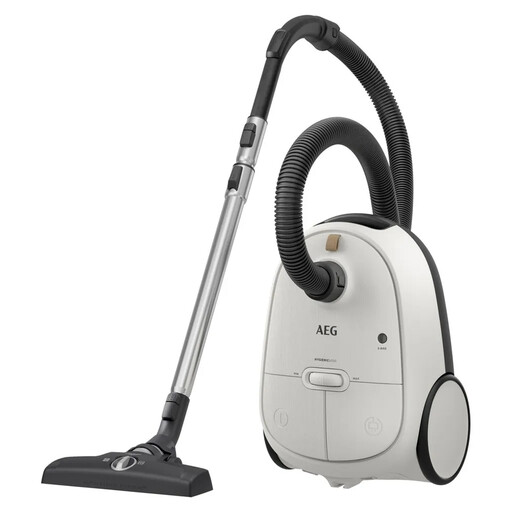 No image available
The description lists a flexible XL crevice tool as included, which is useful for tight stair corners.
Specifications include a 3.5-litre bag, 12 m operating radius and appliance weight of 5 kg without accessories.
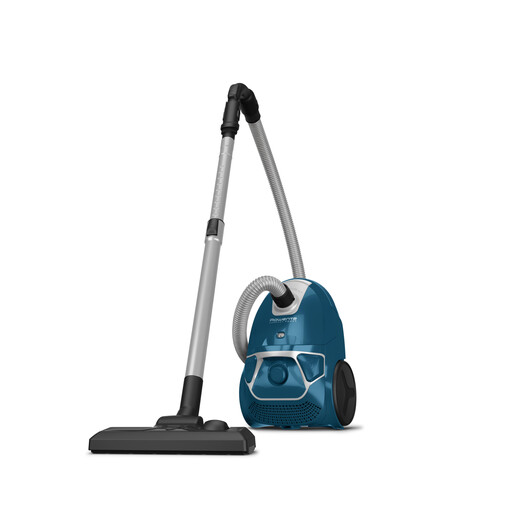 No image available
The description lists a crevice tool as an accessory. Check that it’s included with the specific version and suitable for your stair corners.
Specifications include an 8.8 m operating radius, a weight of 6.46 kg and a hose length of 1.5 m.
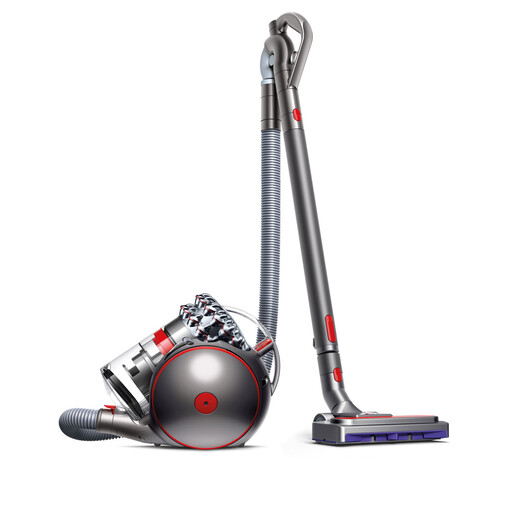 No image available
The description lists a stair tool and a long, flexible crevice tool for steps and corners.
Specifications include a 9.66 m operating radius and a net weight of 8.06 kg. As a bagless model, it still needs its container emptied.
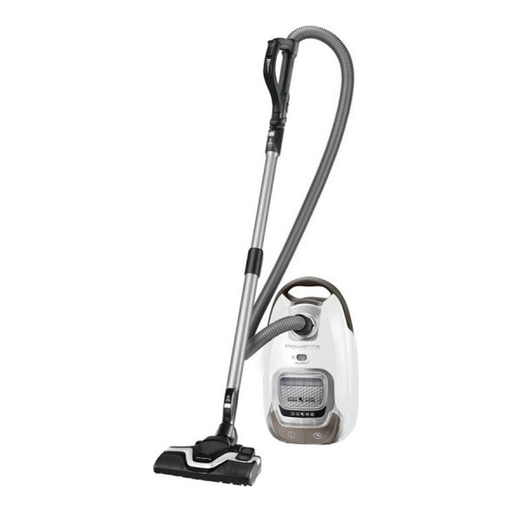 No image available
This bagged cylinder vacuum cleaner could suit tight stair corners, provided the right crevice tool is included.
Specifications include a 4.5-litre bag, 400 W and 58 dB(A). Rowenta also describes a Hygiene+ bag with an automatic self-sealing flap.
No. Wattage alone is no guarantee of particularly good cleaning performance. The Verbraucherzentrale (German Consumer Advice Centre) advises against judging a vacuum’s performance by a high wattage figure. First, check that it has a suitable crevice tool and that it’s included.
Check that the hose and reach work with the sockets and layout of your staircase, and that you can put the vacuum down safely. Use the tool intended for the corner, following the instructions for your specific model.
Empty the container or change the bag, and clean or replace filters as instructed for your model. The European Commission points out that an overfull bag or container can affect performance.
Either type could work if it comes with a suitable crevice tool and is easy to handle on your stairs. A bagged model needs compatible replacement bags; a bagless model still needs its container emptied and filters maintained.
Don’t put an old vacuum cleaner in your household rubbish. The German Environment Agency recommends recycling centres and retailer take-back schemes. Check the current acceptance requirements with the retailer concerned.