For anyone with a narrow gap beside a wardrobe
If you need to remove dry dust right next to a wardrobe, the shape and handling of the crevice tool matter more than the wattage.


A cylinder vacuum cleaner is suitable for dust beside a wardrobe only if its crevice tool, together with the tube or hose, can actually fit into the gap you’ve measured. Wattage or a measurement taken in a floorboard gap won’t prove that it can. Next, decide whether you’d rather change a bag or empty a dust container, and check that the reach and floorhead suit the other surfaces you need to clean. For a one-off end-of-tenancy clean, using a suitable vacuum cleaner you already own may make more sense than buying a new one.
If you need to remove dry dust right next to a wardrobe, the shape and handling of the crevice tool matter more than the wattage.
If you want to minimise the amount of dust disturbed during cleaning and disposal, compare the bag, dust container and filter-care requirements of the specific model.
If you need to clean surfaces beyond the edge of the wardrobe, consider how easily you can move the vacuum cleaner, cable and floorhead around your home.
First, measure the gap beside the wardrobe and check whether the nozzle, together with the tube or hose, can reach into it. Then decide which type of dust disposal suits you and take the other rooms into account too.
For this end-of-tenancy clean, the narrow gap beside the wardrobe, dust disposal and cleaning other surfaces all need to be considered together.
| What you need | What to check before buying | Who it matters most to |
|---|---|---|
| Reach the gap beside the wardrobe | Measure the width and depth of the gap; check the shape and handling of the crevice tool. | If I need to remove dust right beside the wardrobe, the first thing to check is whether the nozzle fits into the gap. Around 36% of consumers prioritise this access. |
| Dispose of dust | Check the bag type or how to empty the dust container, as well as the filter-care requirements. | I want to minimise contact with dust when disposing of it; around 22% of consumers focus on changing the bag, emptying the container and caring for the filter. |
| Move the vacuum cleaner around the home | Compare the operating radius and weight; also consider how much room you have to pull the vacuum cleaner along. | If I have several rooms to clean, I want to move the vacuum cleaner around without having to keep changing sockets. Around 14% of consumers prioritise this manoeuvrability. |
| Keep using a vacuum cleaner you already own | Check whether its existing nozzle can reach the gap and whether the vacuum cleaner can handle the other floors. | For a one-off move-out clean, I’d first check whether my existing vacuum cleaner and its accessories are suitable; around 14% of consumers want to keep using a suitable appliance. |
| Clean other floor surfaces | Check the floor types, suitable floorheads and guidance for delicate surfaces. | If there are different floor types to clean as well as the gap beside the wardrobe, I need the right nozzles for them. Around 14% of consumers prioritise their other floor surfaces. |
A list of what’s included won’t tell you whether the nozzle fits into the gap beside your wardrobe.
Measure the gap and check the nozzle’s shape, length and connection on the specific model.
If the attachment you already have doesn’t fit, you may need one that’s specifically compatible.
The German Environment Agency points out that suction power can’t be judged by wattage alone. Measurements taken in deep gaps between floorboards relate to the specific test conditions, not to the gap beside a piece of furniture.
Check separately whether the specific nozzle can reach the gap, and consider test results only in the context of the conditions stated for each test.
Bagged and bagless models differ in how dust is disposed of: through a bag or by emptying a container.
For a bagged model, check which bag type it takes. For a dust container, check the care instructions for the container and filter on the specific model.
Miele lists the Classic C1 Flex as no longer available on its German product page. Details of the accessories supplied with an older model don’t prove that they’re compatible with another model.
Check the exact model name and what’s included; don’t assume accessories will fit another vacuum cleaner without checking.
The Guard M1 Flex is a bagged option that Miele says comes with a flexible crevice tool.
The AB61H6SW is a bagged model with accessories for crevices and other floor surfaces.
The Serie 4 BGD38RD1H is a bagged option for cleaning along wardrobes and on other floor surfaces.
The VC 2 is a bagged model with a crevice tool. CHIP lists test results from a specific product test.
The bagless FC9332/09 is an option for anyone who’d rather use a dust container than buy replacement bags.
The BS 9019 CB N is a bagged option with a combined brush and crevice tool.
The following Joybuy models include bagless and bagged cylinder vacuum cleaners with crevice tools and accessories for other surfaces. The nozzle still needs to fit the actual gap beside your wardrobe.
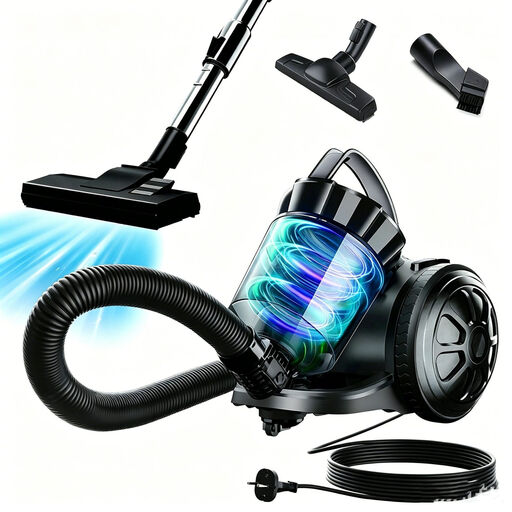 No image available
The set described combines a crevice tool with accessories for floors and upholstery.
The dust container holds 2.2 l. The listed accessories include a 2-in-1 crevice tool in the handle, a telescopic tube, a floor brush and an upholstery brush; the cable is listed as 5 m long.
As a bagless model, it needs its dust container emptied. Check whether the crevice tool fits the gap beside your wardrobe.
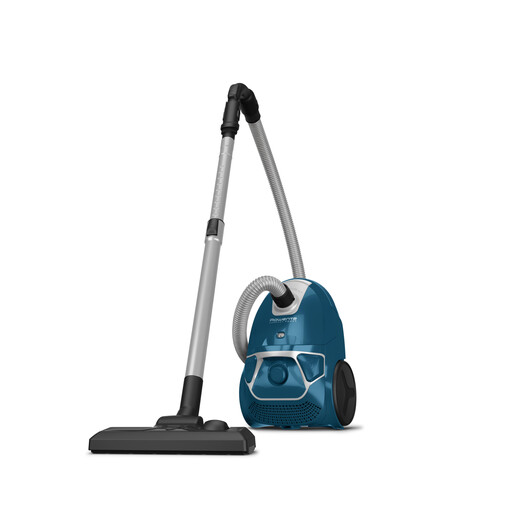 No image available
This mains-powered bagged model is listed with a crevice tool and accessories for other floor surfaces.
The description lists an 8.8 m reach, parquet, upholstery and crevice nozzles, and a telescopic tube.
As a bagged model, it needs compatible replacement bags. Check whether the crevice tool fits the gap beside your wardrobe.
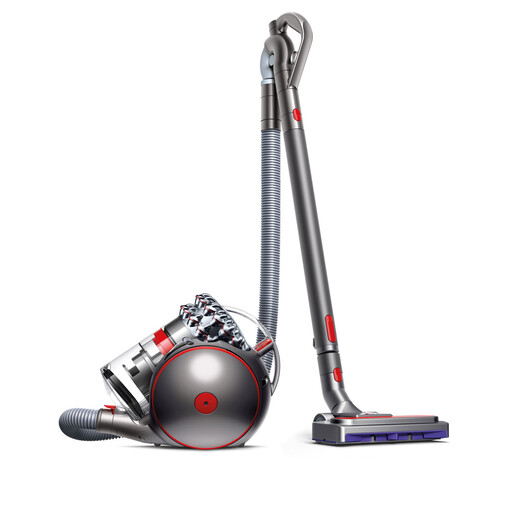 No image available
This bagless model is described as coming with a long, flexible crevice tool.
The product description lists a 9.66 m reach and additional floorheads.
The dust container needs to be emptied. Check which of the listed nozzles suits your floor surfaces.
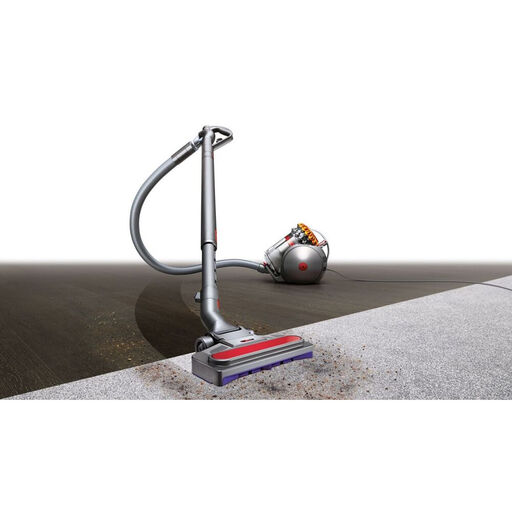 No image available
This bagless cylinder vacuum cleaner is listed with a combination tool for stairs and crevices.
The description also lists a pneumatic floorhead and a parquet floorhead.
The dust container needs to be emptied. Check whether the combination tool can reach the gap beside your wardrobe.
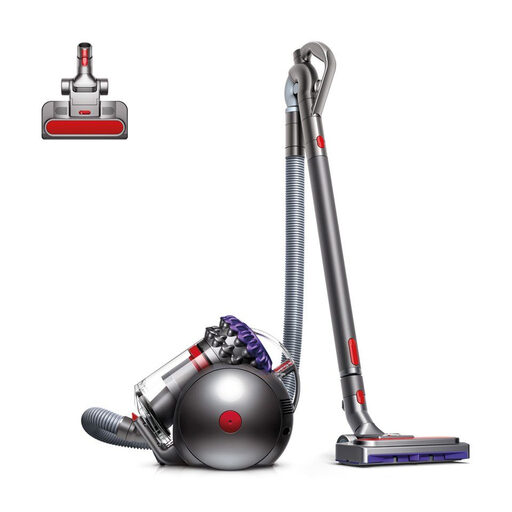 No image available
This bagless model is listed with a combination tool for stairs and crevices.
The description lists a 9.7 m reach and a flexible parquet floorhead.
The dust container needs to be emptied. Check the attachment for the gap beside the wardrobe and make sure the floorhead is suitable for your surfaces.
Not necessarily. In a 2006 case, the Federal Court of Justice described the obligation to return a property in a broom-clean condition as covering the removal of coarse dirt. This doesn’t create a general obligation to deep-clean every gap beside a wardrobe; check your tenancy agreement and the condition of the property.
No. According to the German Environment Agency, suction power can’t be judged by wattage alone. Check whether the specific nozzle can reach the gap, and assess floor-cleaning test results only in the context of the conditions stated for each test.
For a bagged model, use the bag that’s compatible with it; for a bagless model, care for the container and filter as instructed. Philips lists a washable motor filter for the FC9332/09, while Miele specifies CO-HyClean Pure bags for the Guard M1.
Electrical and electronic waste must not go in household rubbish. Germany’s Federal Ministry for the Environment lists municipal collection points and return options through manufacturers or retailers; retailers’ obligations depend on legal requirements. The amendment to the Electrical and Electronic Equipment Act, which came into force on 1 January 2026, includes improved labelling of return points.
First, check whether your existing vacuum cleaner, with suitable accessories, can reach the gap and clean the other floors. The German Environment Agency considers replacing an appliance early for efficiency reasons alone to be rarely worthwhile, either financially or environmentally.