
Lieferung heute & morgen

Qualitätsgarantie

Willkommens-Angebote freischalten: KOSTENLOSE Lieferung | Bis zu 80 % RABATT | Kostenlose 30-Tage-JoyPlus-Testphase
App herunterladen
A DAB radio can be a practical audio solution when you’re out and about, in the kitchen, bedroom or garden. But the wide choice doesn’t automatically make it easy to find the right one. Some models are advertised with lots of features, while key details about reception, power supply or controls are missing.
Three common buying misconceptions crop up particularly often:
A DAB+ radio receives digital terrestrial stations through its aerial. It works without Wi-Fi and doesn’t incur ongoing internet costs. A DAB FM radio combines DAB+ reception with FM, giving you another option where DAB+ coverage is weaker.
An internet radio, on the other hand, accesses stations and podcasts over Wi-Fi. It can offer a huge choice of programmes, but relies on a stable internet connection. So if you want to listen in the garden, on your commute or while travelling, check whether the radio has a built-in battery or can run on batteries.
When choosing a radio with a battery, three details are worth checking:
Claims such as “up to 12 hours” or “up to 15 hours” are maximum figures, not guaranteed battery life in every situation. A mains adapter is useful if you’ll use the radio regularly in the kitchen or living room. For commuters and walks, a built-in battery gives you more flexibility.
A clear display should show the station name, time and, where available, programme information. Adjustable brightness stops a clock radio from shining too brightly at night. Automatic station scanning and saved presets make setup quicker.
For older people or anyone with impaired vision, large numbers and clearly labelled buttons may matter more than streaming features. If you often switch between stations, direct access buttons or plenty of preset slots can be useful.
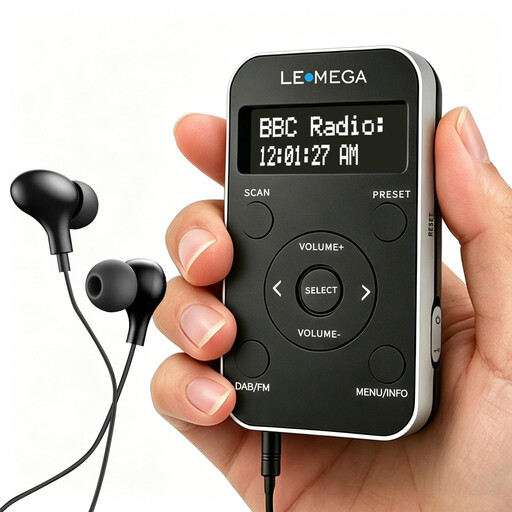
Why this product suits this profile: This compact portable DAB radio weighs 65 g and measures 90 × 51 × 16 mm. It’s ideal for commuters, walks and listening with headphones.
The power supply is clearly specified: a built-in 1,000-mAh battery charges via USB-C. DAB/DAB+ and FM are also supported.
Up to 12 hours of stated playback time, 40 station presets, an LCD with adjustable brightness and a keypad lock.
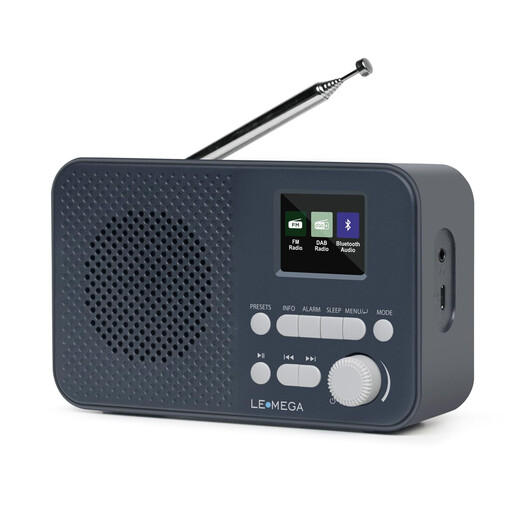
Why this product suits this profile: This radio combines DAB+, FM, Bluetooth and battery power in one unit. It’s suited to living rooms, kitchens, bedrooms and sheltered outdoor spaces.
The specifications confirm both mains operation and a rechargeable 2,200-mAh battery. The DAB+/FM combination gives you an alternative for receiving stations.
Up to 15 hours of stated battery life, 40 presets, a colour display, dual alarm, sleep timer and Bluetooth.
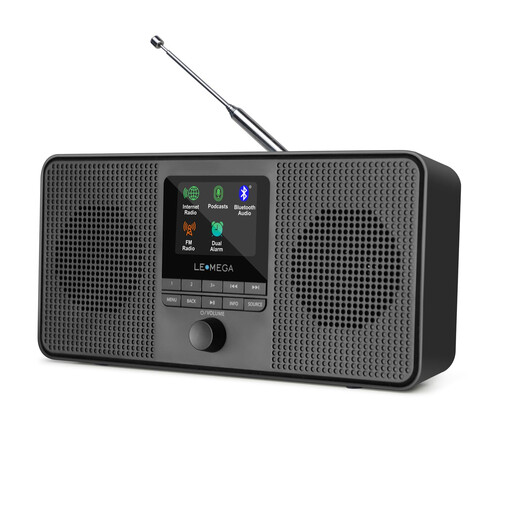
Why this product suits this profile: If you’re interested in digital stations, podcasts and music streaming, this internet radio offers several ways to listen at home or on the go.
The reception options are clearly listed: Wi-Fi internet radio and FM are available, and the product specifications also include DAB/DAB+. Wi-Fi is needed for internet features.
Access to over 30,000 internet radio stations according to the manufacturer, plus podcasts, Spotify Connect, Bluetooth and stereo speakers.
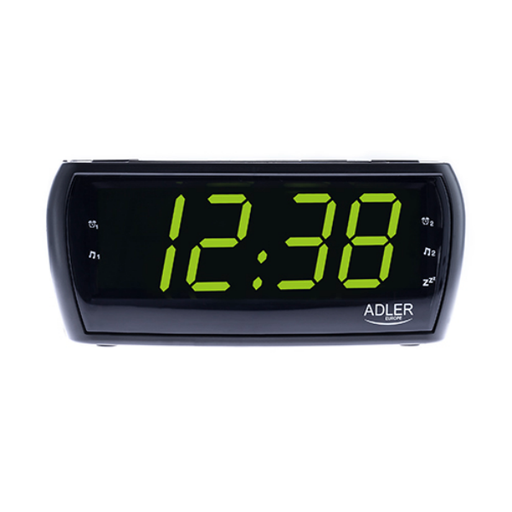
Why this product suits this profile: As a traditional kitchen radio or clock radio, it’s a good choice if you need a clearly visible time display and simple alarm functions.
The product details clearly specify mains operation, a memory battery and adjustable display brightness. However, this is an AM/FM radio, not a DAB+ model.
48-mm LED digits, two alarm times, snooze function, sleep timer and ten station presets.
We’ve put together a complete, regularly updated list of products that meet these strict selection criteria and fully comply with the safety regulations that apply in the EU.
An automatic station scan usually starts when you switch the radio on. You can also start one from the menu. For better reception, extend the aerial fully and place the radio somewhere with as few obstructions as possible. The stations available vary by region.
It depends on the battery capacity, volume, display brightness and reception mode. Manufacturer claims such as “up to 12 hours” or “up to 15 hours” are a guide. If you use the radio frequently, look for a USB-C port so you can recharge it easily.
A DAB or FM radio doesn’t normally need an internet connection, so there are no ongoing data costs. An internet radio uses Wi-Fi, which may incur the usual costs of your existing internet connection. Depending on the model, you may also have costs for electricity, charging the battery or replacing batteries.