Commuters with a regular listening spot
If you want to tune in to a particular local traffic station before setting off, check reception where you plan to use the radio.


First, check whether your preferred traffic station is available indoors at your location according to the coverage forecast, then test reception where you plan to listen. If space is limited, the right antenna position, clear speech and an easy way to select stations matter more than high music output. The forecast cannot guarantee reception in every part of the room.
If you want to tune in to a particular local traffic station before setting off, check reception where you plan to use the radio.
If the radio will sit close to a wall or in an alcove, the antenna position, speaker layout and guidance for setting up that particular model all matter.
If several people will be listening, or you also want to use the radio for music, make sure the controls and speakers on the model you choose suit your listening space.
For traffic updates in a spot by the wall, check reception and speech clarity first. Extra features only matter if you’re actually going to use them.
| What you need | What to check before buying | Who this matters most to |
|---|---|---|
| Station reception | Your preferred station and the indoor coverage forecast; reception where you plan to listen. | If I want to listen to a particular traffic station before setting off, it needs to be available at my location. Around 36% of consumers would put station reception first. |
| Clear speech by the wall | Speaker position and the specific setup guidance; check how voices sound from your usual listening spot. | If my radio is in a narrow alcove, I want to hear updates clearly there and not choose a spot based solely on a power rating. Around 29% of consumers would prioritise listening close to a wall. |
| Quick station selection | The button layout and the steps involved in selecting a saved DAB+ station. | If I only switch the radio on shortly before setting off, I want to find my station without having to search through menus. Around 21% of consumers would rate quick station selection as their top priority. |
| Flexible use | Power supply and the reception options you need, such as FM or internet radio. | If you want to use the radio in different places or listen to additional sources, choose a power supply and features that suit your everyday routine. Around 14% of consumers would put flexible use first. |
The stations available and indoor reception depend on your location. A coverage forecast is no substitute for testing reception where you plan to listen.
Check that your preferred station appears in the indoor coverage forecast, then test the radio in the spot where you intend to use it.
For the RADIO 3SIXTY, Teufel recommends leaving at least 40–50 cm of space above and to the sides. This advice applies to that specific model, not to all DAB+ radios.
Compare the setup guidance for the radio you’re considering with the space available.
Power ratings don’t tell you how clear voices will sound where you plan to listen.
Check how speech sounds at your usual volume, and choose only the speakers and extra features you need.
The DIGITRADIO range includes everything from a compact radio for one specific listening spot to a larger set-up for listening together.
The RADIO 3SIXTY combines DAB+, FM and internet radio with a set-up that the manufacturer describes as delivering 360-degree sound.
The Evoke Spot is a compact music system with DAB+, FM, internet radio and Bluetooth, aimed at people who want to use sources beyond traffic updates.
This selection includes compact DAB+/FM radios for individual listening spots, as well as larger stereo and compact systems with extra features.
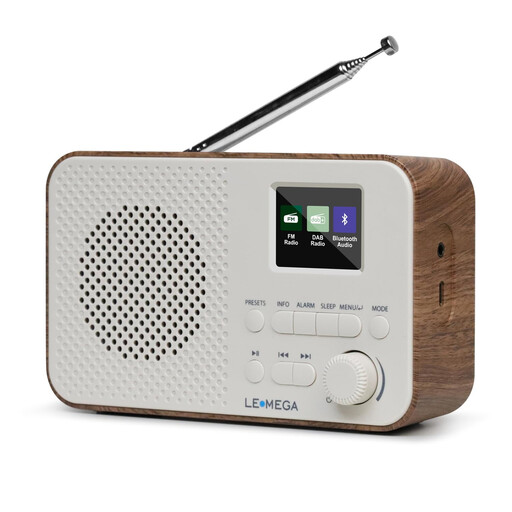 No image available
May suit anyone looking for a compact radio with battery and mains operation, plus a speech EQ mode.
DAB+/FM; 40 station presets; 2.5-inch speaker; rechargeable 2200 mAh battery; USB-C charging.
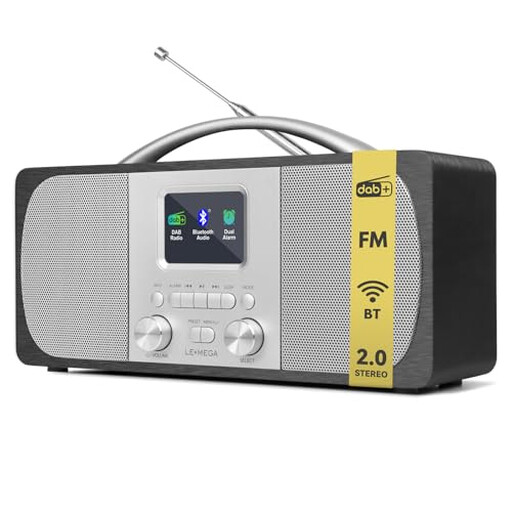 No image available
May suit a regular listening spot if you want stereo sound, station presets and a speech EQ mode.
DAB+/FM; two 2.5-inch speakers; 40 presets (20 DAB, 20 FM); mains adapter and optional operation with four AA batteries.
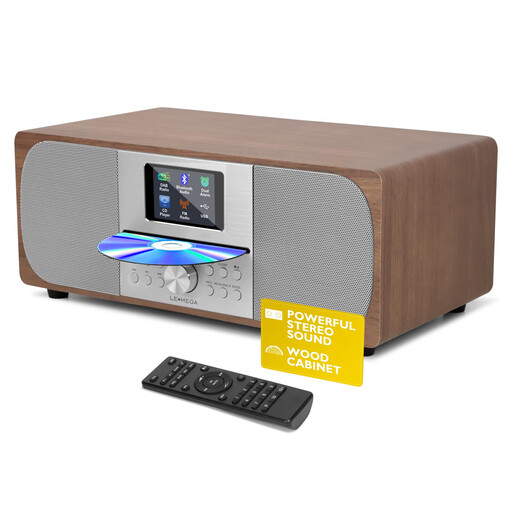 No image available
May suit anyone who wants to listen to CDs and other sources as well as the radio.
DAB/DAB+ and FM; two 3-inch speakers; 100 W according to the product title; 40 station presets; CD player, USB and Bluetooth; remote control.
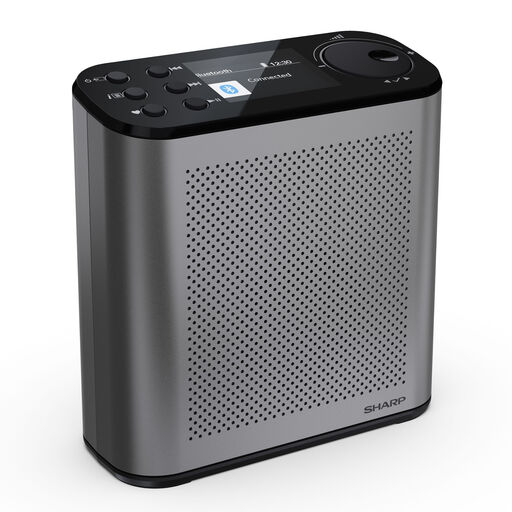 No image available
May suit anyone looking for a portable DAB+/FM radio with station presets and Bluetooth.
DAB+/FM; 120 station presets; Bluetooth 5.3; USB-C charging; up to 15 hours of battery life; 2.4-inch colour display.
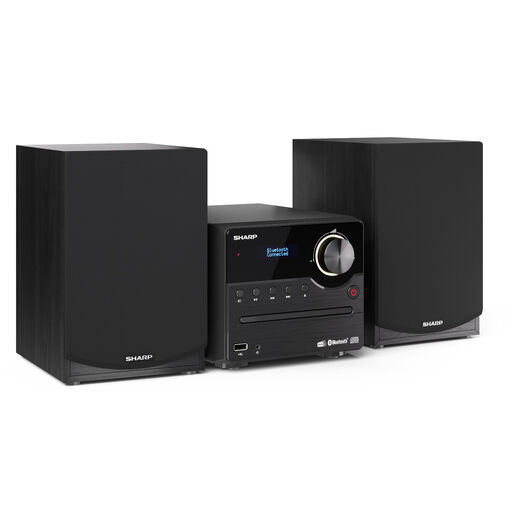 No image available
May suit a regular listening spot if you want CD, USB and Bluetooth playback as well as DAB+ and FM.
DAB+/FM; 20 station presets; 45 W according to the product title; CD/MP3 player; USB playback; Bluetooth; wooden speakers.
No. Check the coverage forecast for your preferred station and the “Indoor” reception category at your location; conditions in your specific listening spot may differ. Bayerischer Rundfunk lists BR Verkehr as a DAB+ station in Bavaria, not as a station available nationwide.
Extend the telescopic aerial, if there is one, adjust its position and try moving the radio, perhaps closer to a window. Concrete and metal can affect indoor reception. If your model has specific setup recommendations, follow the manufacturer’s guidance.
Not for that reason alone. What matters is whether you can receive a station that provides the spoken updates you want. WDR describes TPEG as a way of transmitting digital traffic data over DAB+; that doesn’t mean every DAB+ table radio plays this data as spoken announcements.