
Lieferung heute & morgen

Qualitätsgarantie

Willkommens-Angebote freischalten: KOSTENLOSE Lieferung | Bis zu 80 % RABATT | Kostenlose 30-Tage-JoyPlus-Testphase
App herunterladen
Dry, stressed or chemically treated hair does not automatically need as many products as possible. What matters is whether your hair care suits the current condition of the lengths, your hair structure and your daily exposure to stress. A hair mask for dry hair, for example, can be useful for very dehydrated ends, while fine hair can quickly feel weighed down by rich oils.
Terms such as hair repair, “Bond Repair” or “Keratin build-up” generally refer to the visible and tangible care of the hair’s surface when used for cosmetic products. Already split ends will not grow back together as a result. Products can smooth the surface, improve manageability and potentially reduce breakage through less friction. However, you should not expect a permanent change to the hair structure.
Keratin, hydrolysed silk protein, wheat protein and amino acids are common ingredients in a protein hair treatment. They can be beneficial for porous, chemically treated or brittle hair. However, if used regularly without enough moisture, hair can feel stiff, rough or brittle. Protein care should therefore be alternated with moisturising care.
Silicones, oils, waxes and film-forming ingredients can make the hair surface appear smoother. This is not the same as a designated heat protectant for hair. If you frequently use a hairdryer, straighteners or a diffuser, look for clear instructions on heat styling and keep the temperature as moderate as possible.
The instructions on the packaging take priority. A treatment should not normally be applied to the scalp unless the manufacturer expressly recommends it.
Several care components are relevant for damaged hair:
Compare the INCI list with your own needs. If you are sensitive to fragrances or preservatives, it is worth checking the parfum and declared fragrance allergens. If you are unsure, test a small amount on an inconspicuous area first.
Curly and wavy hair often needs a different balance of moisture, hold and weight from straight, fine hair. For moisturising care for curly hair, for example, lightweight sprays or creams that are scrunched into damp hair can be suitable. If you frequently colour, bleach or heat-style your hair, additional protein or bonding products can be incorporated into your routine. “Professional hair care” does not automatically describe a particular level of performance; the formulation, application and suitability for your hair are more important.
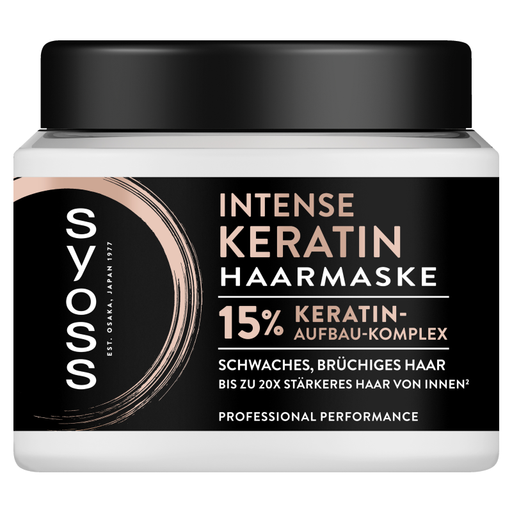
Why this product suits this profile: The mask is intended for brittle hair and is applied after shampooing two to three times a week, or as directed on the packaging, and left on for a few minutes.
The stated leave-on time of 2–3 minutes makes the application easy to plan. The listed keratin complex can be identified in the ingredients list.
15% keratin build-up complex according to the product description; container made from 50% recycled material.
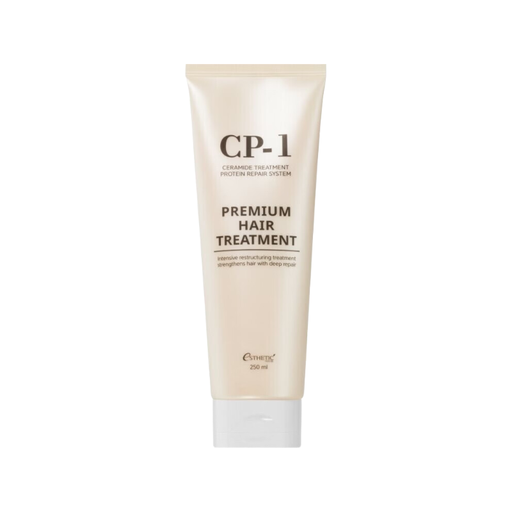
Why this product suits this profile: According to the product description, this rich protein mask is designed for dry, brittle and severely stressed hair, for example after chemical treatments or heat styling.
The formulation contains proteins, amino acids, ceramides and various oils. Use is limited to once or twice a week.
250 ml contents; stated leave-on time of 5–10 minutes, or up to 20 minutes for more intensive use.
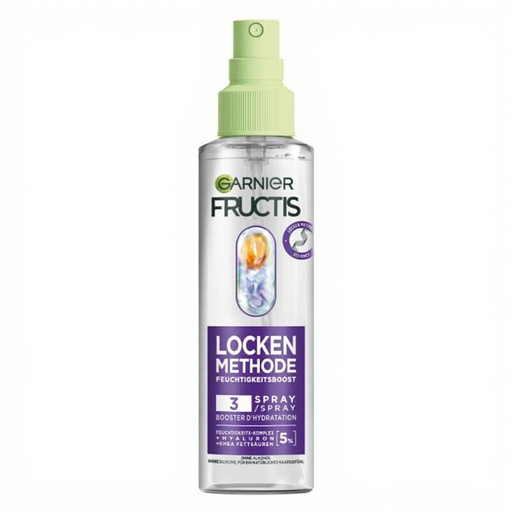
Why this product suits this profile: The spray is designed for curly hair and can be used on damp or dry curls after washing your hair or between wash days.
The instructions specifically mention damp and dry hair. According to the product description, the silicone-free, vegan formula suits a lightweight curly-hair routine.
150 ml contents; product description states 5% hyaluronic acid and shea butter fatty acids.
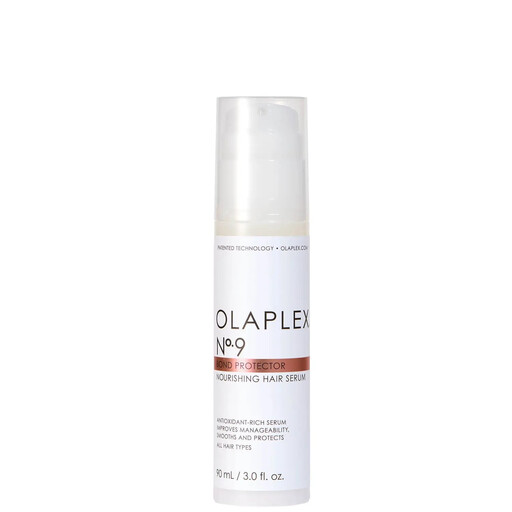
Why this product suits this profile: The leave-in serum is applied to damp lengths and ends before styling, making it suitable for regular blow-drying or use with other heat tools.
The manufacturer states that it provides heat protection up to 232 °C and can be used as a leave-in product. This temperature claim does not replace the recommendation to use heat sparingly.
90 ml contents; silicone-free formula according to the product description; intended for use on damp hair.
We have put together a complete, regularly updated list of products that fully meet these strict selection criteria and the safety regulations applicable in the EU.
A simple sequence helps you avoid using unnecessary amounts of product:
With curly hair, avoid brushing the lengths when this roughens the curl pattern. A wide-toothed comb and a microfibre towel can help reduce mechanical stress.
Once or twice a week is usual. The exact frequency depends on porosity, hair thickness and the formulation. If your hair feels stiff or difficult to comb, taking a break or switching to a purely moisturising treatment may be beneficial.
A combination of a gentle conditioner, occasional protein care and consistent heat protection is a practical starting point. You should also reduce tight hairstyles, vigorous towel rubbing and very high styling temperatures. If breakage persists or you experience scalp problems, seek a dermatological assessment.
The open-jar symbol indicating the period after opening, the best-before date and the information on the packaging are all relevant. Products should be removed with clean hands, closed securely and protected from direct sunlight and excessive heat. Changes in smell or colour, or an altered consistency, indicate that the product should no longer be used.