
Lieferung heute & morgen

Qualitätsgarantie

Willkommens-Angebote freischalten: KOSTENLOSE Lieferung | Bis zu 80 % RABATT | Kostenlose 30-Tage-JoyPlus-Testphase
App herunterladen
Stressed, dry hair prone to breakage and split ends is a common problem. Frequent heat styling, chemical treatments, or environmental factors can weaken the hair's structure and strip it of its shine. The market offers a plethora of products that promise a quick fix. However, not every hair treatment for damaged hair delivers on its promise. This guide will help you understand the key criteria and make an informed choice.
Before investing in a new intensive hair care product, it's helpful to critically examine common marketing claims. Many products provide a short-term improvement in how hair feels without tackling the problem at its root.
To achieve a lasting improvement in your hair's structure, you should look beyond just the brand name. The following parameters will help you objectively evaluate a product's suitability.
An effective repair hair mask typically combines different types of active ingredients that perform various functions:
The application method is another important factor in hair care for dry hair.
Instead of making a blanket recommendation, we have identified products tailored to specific user profiles and hair concerns.
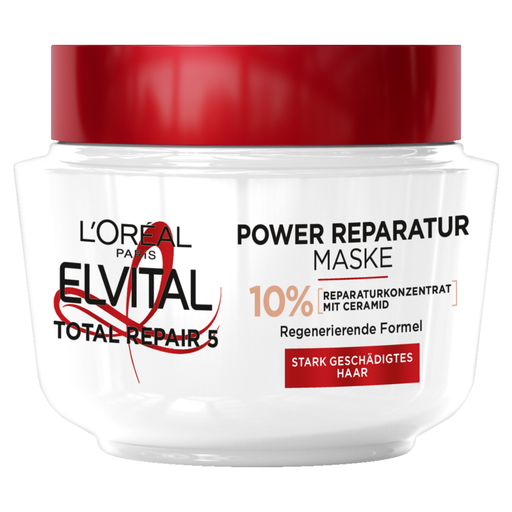
Why this product is a good fit: Ideal for those looking for a reliable and accessibly priced solution for their weekly care routine. It targets the five typical signs of damaged hair and is well-suited for maintenance on hair that's moderately stressed from blow-drying or occasional colouring.
The formula doesn't rely on a single trendy ingredient; according to the manufacturer, it combines amino acids with a ceramide derivative to offer more comprehensive repair performance.
Provides balanced care for improved hair structure and manageability without weighing hair down when used correctly. Short application time of 2-3 minutes.
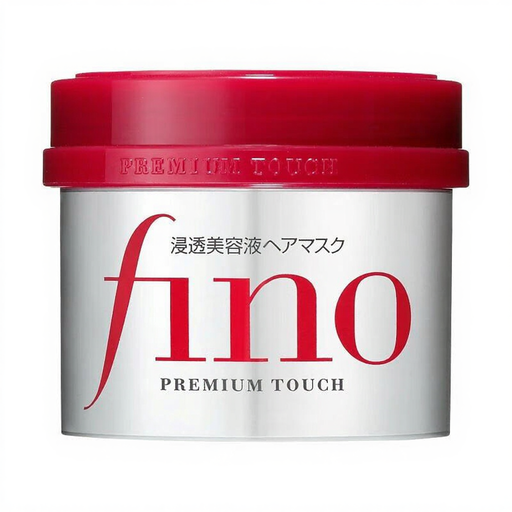
Why this product is a good fit: For users who want a visibly and tangibly silky, smooth result, like after a salon visit. Especially suitable for dry, unruly, or heat- and colour-damaged hair that needs intense moisture and shine.
This mask delivers the desired "instant effect" with smoothing ingredients but combines it with deep-acting conditioning agents like royal jelly extract, squalane, and glutamic acid for more sustainable care.
The formulation aims to lock moisture into the hair and seal the hair's surface. The result is a noticeably smoother and shinier appearance.
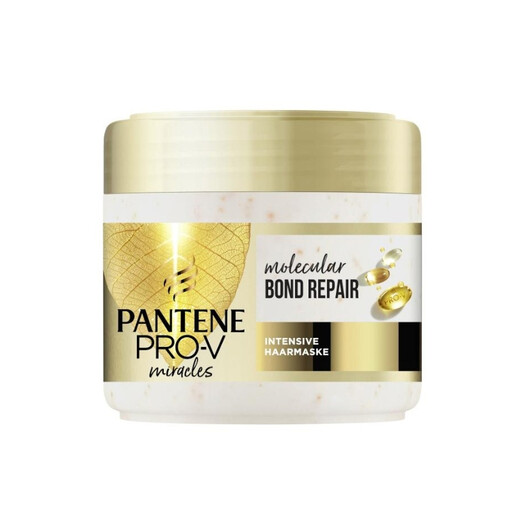
Why this product is a good fit: Specifically for hair that is structurally damaged from intensive chemical treatments (bleaching, colouring) or frequent heat styling. The focus on "Bond Repair" directly addresses the needs of those with significant breakage and loss of elasticity.
This product avoids the "one-size-fits-all" trap by offering a targeted technology for a specific type of damage, rather than being a general moisturising mask.
The formula, with biotin and the Pro-V nutrient complex, is designed to strengthen the hair structure from within and improve the hair's resilience.
We have compiled a complete, up-to-date list of products that fully meet these strict selection criteria and all applicable safety regulations.
1. How often should you use a hair treatment for damaged hair? The frequency of application depends on the condition of your hair and the product's formulation. For most rinse-out, intensive hair masks, using them once or twice a week is sufficient. For extremely dry or damaged hair, more frequent use may be beneficial. Always follow the manufacturer's recommendations on the packaging.
2. What is the difference between a hair mask and a conditioner? A conditioner is typically used after every wash. Its main function is to smooth the hair's cuticle, improve manageability, and provide short-term moisture. A hair mask or treatment has a richer formulation with a higher concentration of conditioning agents. It is designed for deeper, more intensive care and requires a longer application time.
3. Can a hair treatment really repair split ends? No, split ends (trichoptilosis) cannot be permanently "repaired" or fused back together. A good hair mask for breakage can temporarily improve the appearance of split ends by sealing and smoothing the frayed ends. However, the only permanent solution for split ends is to trim the affected hair. Regular treatments can help prevent new split ends from forming by strengthening the hair and keeping it elastic.