
Lieferung heute & morgen

Qualitätsgarantie

Willkommens-Angebote freischalten: KOSTENLOSE Lieferung | Bis zu 80 % RABATT | Kostenlose 30-Tage-JoyPlus-Testphase
App herunterladen
Stressed, dry hair prone to breakage and split ends is a widespread problem. Frequent colouring, heat styling, or even environmental stressors can weaken the hair's structure. The market offers an overwhelming selection of products that promise a quick fix. However, not every hair treatment for damaged hair delivers on its promise. As your Joybuy Product Recommendation Officer, I'll help you distinguish marketing claims from proven performance and make an informed choice.
Before making a purchase decision, it's important to recognise common marketing traps that often lead to unsatisfactory results.
To find the right treatment, a basic understanding of how different products work and how they are applied is crucial.
Damaged hair has different needs. Identifying the primary problem is the key to choosing the right product.
The application method determines the intensity and purpose of the product.
Here are some product recommendations tailored to specific needs and use cases.
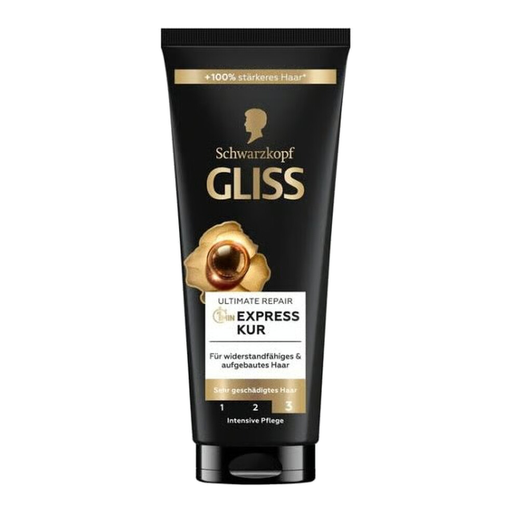
Why This Fits Their Persona: Ideal for those seeking a fast, straightforward solution for severely stressed hair. The one-minute processing time fits perfectly into a busy lifestyle without compromising on conditioning performance.
Instead of vague claims, the formula relies on proven active ingredients like liquid keratin to specifically replenish and strengthen the hair structure, rather than just creating a superficial effect.
Very short 1-minute processing time. Formula with keratin to reconstruct the hair structure. An accessible, drugstore-segment product.
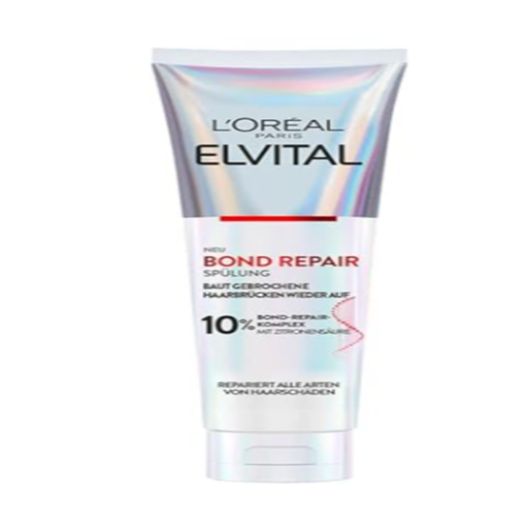
Why This Fits Their Persona: Perfect for individuals whose hair is severely damaged from colouring, bleaching, or other chemical processes. The focus here is on repairing the internal hair structure, which is crucial for restoring strength.
This product avoids the trap of purely surface-level conditioning. It uses a Bond-Repair Complex with citric acid, which aims to rebuild broken bonds inside the hair fibre instead of just smoothing the surface.
Contains a 10% Bond-Repair Complex with citric acid. Targets the repair of the internal hair structure. Reduces breakage and strengthens hair from within.
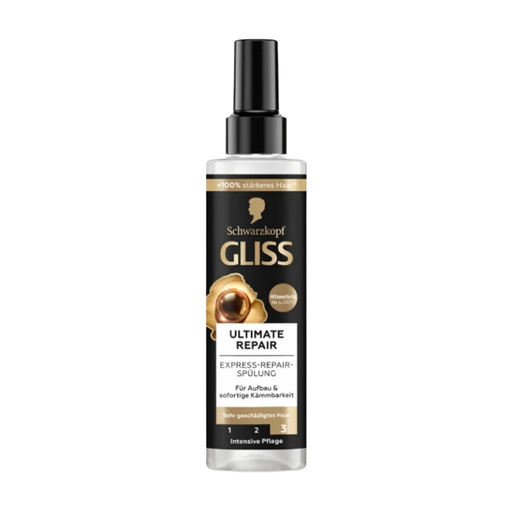
Why This Fits Their Persona: Suitable for anyone who styles their hair daily and needs a lightweight yet effective protective layer. As a leave-in product, it's extremely convenient, offering instant detangling and heat protection without rinsing.
This product doesn't promise a miracle cure but offers a practical, preventive solution. It focuses on protecting against future damage (heat protection up to 230°C) and improving everyday manageability.
Leave-in formula for easy application. Provides heat protection and improves manageability. Contains keratin to strengthen the hair structure.
We have compiled a complete, real-time list of products that fully satisfy these strict selection criteria and UK safety regulations.
1. How often should you use a hair treatment for damaged hair? The frequency of use depends on the product and the condition of your hair. Intensive hair masks for deep conditioning are generally recommended once or twice a week. A repairing conditioner, depending on the formula, can be used with every wash. A leave-in treatment can be applied daily to damp or dry hair. Always follow the manufacturer's instructions on the packaging.
2. Can a hair treatment really repair split ends? No, a hair treatment cannot permanently heal existing split ends. Once split, a hair tip cannot grow back together. However, products can temporarily seal the split end, making the hair appear smoother and slowing down further splitting of the hair fibre. The only lasting method to eliminate split ends is to get your ends trimmed. Good hair care, however, can prevent new split ends from forming.
3. What is the difference between a hair mask and a conditioner? A conditioner's primary purpose is to close the hair's cuticle after washing, improve manageability, and provide a light protective layer. It is usually applied for a short time after every wash. A hair mask for damaged hair is more richly formulated and contains a higher concentration of nourishing active ingredients. It requires a longer processing time to penetrate deep into the hair structure and provide an intensive conditioning effect.