Dance mixers in a quiet space
If you’re working without distracting room noise, you can focus on the kick, bass and stereo balance.


For making a dance mix at a small desk, open-back studio headphones are a sensible starting point if your space is quiet and sound leakage won’t disturb anyone. If you share the space, have other people nearby or record with a microphone, closed-back headphones are a better fit. Sound On Sound points out that audio can leak out of open-back headphones. Check kick and bass using familiar reference tracks and, if possible, a second playback system: according to Sonarworks, the endpoints of a frequency range alone don’t tell you how well headphones will perform in practice.
If you’re working without distracting room noise, you can focus on the kick, bass and stereo balance.
If other people are nearby or you use a microphone at the same desk, isolation and sound leakage become important considerations.
For longer sessions using a laptop or audio interface, a comfortable fit, practical connections and manageable cables all matter.
A good fit if: You mostly mix in a quiet room and won’t disturb anyone with sound leakage.
The trade-off: You’ll still hear sounds around you, and other people may hear what you’re playing.
A good fit if: Noise at your desk is distracting, others might hear your playback, or you record with a microphone there.
The trade-off: Isolation also depends on how well they fit. Pressure, warmth and potential resonance in the ear cups can affect your judgement.
A good fit if: You’re considering a middle ground and don’t need either strong or minimal isolation.
The trade-off: The label alone doesn’t tell you how much sound leaks out or how accurately you’ll be able to judge the bass.
| Consideration | What to check when buying | Who it matters most to |
|---|---|---|
| Kick and bass | Listen to familiar reference tracks and, if possible, check the mix on another playback system as well. | If I want to judge the kick and bass in a dance mix with confidence, the tuning of the specific model matters to me. Around 40% of consumers prioritise kick and bass. |
| Isolation | Consider whether conversations, other people or a microphone are a factor at your desk; with closed-back models, check the fit too. | If I want to avoid distractions or sound leakage at a shared desk, the headphone design is important. Around 30% of consumers prioritise isolation. |
| Comfort during long sessions | Try the fit and clamping force for yourself if possible; the manufacturer’s information about the padding can’t replace this check. | For longer mixing sessions, I want headphones that feel comfortable to wear. Around 20% of consumers prioritise comfort over long periods. |
| Connections and maintenance | Check the socket, plug and supplied adapter for the exact model version; find out whether the cable or ear pads can be replaced. | If the cable and connection need to work with my existing laptop or interface, I want to check these details in advance. Around 10% of consumers prioritise connections and maintenance. |
The endpoints of a frequency range listed in a spec sheet tell you little on their own about how the headphones will perform when judging sound in practice.
Compare them using familiar reference tracks and, if possible, a second playback system. Judge the actual tuning rather than relying on the figures in the spec sheet.
With an open-back design, you’ll still hear sounds around you, while audio from your headphones can leak out.
Before buying, consider whether other people might hear your playback or whether you’ll use a microphone at the same desk. Closed-back models are also worth comparing for these situations.
Isolation depends on the fit. Pressure, warmth and potential resonance in the ear cups can affect how you judge the sound.
Try the specific model for fit, and, if possible, check important mix decisions on another playback system too.
A connection that isn’t compatible with your existing equipment may require an extra adapter, while worn parts may need replacing.
Check the socket, cable length and what’s included for the exact model version. Also find out whether spare parts are available for that model.
The manufacturer describes the open-back DT 900 PRO X as suitable for mixing, and the closed-back DT 700 PRO X for recording, monitoring and mixing.
AKG describes the open-back K702 as reference headphones for mixing and mastering in a quiet space.
The manufacturer describes the open-back HD 490 PRO as suitable for music production and mixing, including longer listening sessions.
The closed-back ATH-M50x is an option if isolation or extra recording capability matters in your workspace.
According to ADAM Audio, the closed-back H200 combines studio monitoring with optional headphone optimisation software.
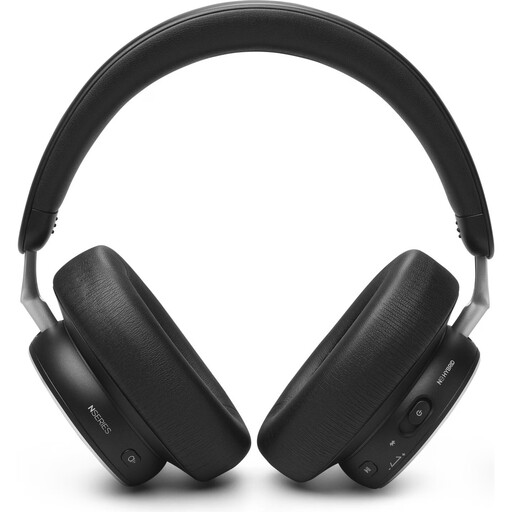
This selection features closed-back over-ear headphones for desk use, chosen with isolation in mind.
 No image available
The closed-back design and ANC may suit you if you want to reduce background noise at a shared desk; use reference tracks to check the sound before making mixing decisions.
Bluetooth 5.3 with multipoint; up to 55 hours of battery life; 40 mm neodymium drivers; virtual surround sound; 3.5 mm cable option; foldable design; black.
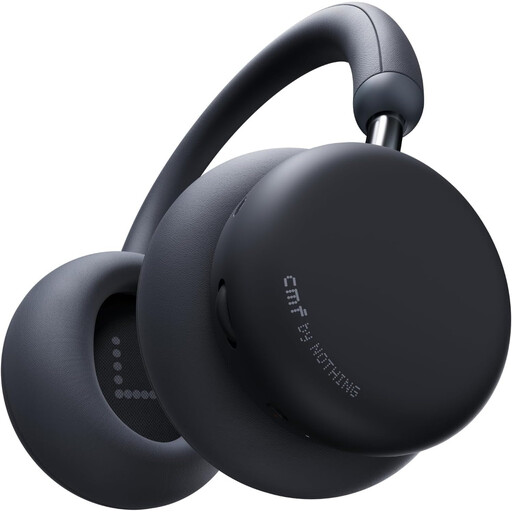 No image available
The closed-back design and ANC may be useful at a shared desk if you want to reduce background noise; check the specific sound tuning against your mix.
Bluetooth 5.4; LDAC Hi-Res Audio; hybrid ANC with adaptive mode; up to 100 hours of battery life; fast charging; connects to two devices; dark grey.
You can do a lot of your mixing on headphones. If possible, check the result on speakers or another familiar playback system from time to time, especially before finalising decisions about bass and stereo imaging.
Compare your device’s socket with the plug and supplied adapter for the exact model version. For the DT 900 PRO X, beyerdynamic lists a 3.5 mm plug and a 6.35 mm adapter. Impedance alone won’t tell you whether your output provides enough volume.
Before buying, check whether the ear pads and cable on your specific model can be replaced. AKG lists replaceable ear pads and a detachable cable for the K702; follow the instructions for the model you’ve bought when cleaning it or replacing parts.
The World Health Organization (WHO) gives 80 dB for up to 40 hours per week as an example of safe listening. You can’t work this figure out directly from the headphone specifications; the actual listening level is what matters.
In Germany, online purchases from a trader generally come with a 14-day right to cancel, although exceptions may apply. For faulty goods, you have a legal guarantee from the seller of at least two years. A voluntary manufacturer’s warranty doesn’t replace these statutory rights. This information is based on guidance from the Council of the European Union and Your Europe.