Parents choosing an occasional treat
You want to offer a dark biscuit as a small treat, rather than making it a snack your child can have at any time. A set time and a modest portion are important to you.


Dark biscuits may be suitable as an occasional small treat for toddlers who can safely chew firm biscuits. The dark chocolate doesn’t tell you how much sugar the whole biscuit contains, so check the portion size, ingredients, nutrition information and allergens on the pack. For a regular snack, a different option is more suitable.
You want to offer a dark biscuit as a small treat, rather than making it a snack your child can have at any time. A set time and a modest portion are important to you.
You check the specific variety for gluten-containing cereals and other declared allergens. The ingredients list matters more to your decision than the word ‘dark’.
You want to see whether claims about oats or cereals are backed up by the ingredients and nutrition information on the pack. You don’t assume that fibre information alone makes a biscuit suitable as a daily snack.
If you’re choosing an occasional biscuit, check the portion size and ingredients first. If your child needs a regular snack, consider an alternative that isn’t a biscuit.
| What to check | What to look for when buying | Who it matters most to |
|---|---|---|
| Portion size and snack routine | Compare the sugar per 100 g and set a small portion for a specific time. The Verbraucherzentrale recommends no more than a child’s handful of sweets or snacks a day as a guide. | I want to offer a dark biscuit occasionally, without my child snacking on it throughout the day. For around 42% of consumers, limiting the portion and setting a specific snack time are the main priorities. |
| Gluten and other allergens | Check the highlighted allergens and any ‘may contain’ warnings on the current pack. If gluten must be avoided, don’t assume the product is suitable based on the type of chocolate. | If my child needs to avoid certain ingredients, I want to choose the exact biscuit variety based on its labelling. For around 33% of consumers, clear information about ingredients takes priority. |
| Wholegrain and fibre | Look for wholemeal flour specifically in the ingredients list, and compare fibre values using the same measure, such as per 100 g. | When comparing biscuits, I want to know what an oat or cereal claim means, without making the biscuit an everyday snack. Around 25% of consumers focus primarily on this type of composition. |
A layer of dark chocolate doesn’t tell you how much sugar the whole biscuit contains, or make it suitable as a daily snack.
Compare the sugar value in the nutrition information and plan to offer the biscuit as a small, occasional treat.
The Verbraucherzentrale points out that claims about cereals don’t give a reliable indication of the wholegrain content.
Check the ingredients list for wholemeal flour and compare the fibre values per 100 g.
Depending on the recipe, dark biscuits may contain gluten-containing cereals and other allergens. ‘May contain’ warnings can also be relevant to your choice.
Read the labelling on each individual pack. If gluten must be avoided, look for a clear ‘gluten-free’ label rather than making assumptions based on individual ingredients.
For dental health, the parent information site kindergesundheit-info.de recommends having longer periods without sugary foods.
Offer an occasional biscuit at a set time; kindergesundheit-info.de recommends offering treats after a main meal where possible.
These examples show different types of biscuits and chocolate. Whether a particular pack is right for you depends on its ingredients, nutrition information and allergen warnings.
Bahlsen describes CHOCO LEIBNIZ Dark as a biscuit topped with dark chocolate.
Gullón offers Finas Avena Choco Negro, an oat biscuit with dark chocolate.
ALDI SÜD lists organic oat cookies with dark chocolate.
EDEKA24 lists a range of biscuit products, including Bahlsen Contessa Edelherb and Bahlsen Akora Edelherb.
Lidl describes Sondey as its own brand of sweet biscuits and other small baked treats.
These two dark chocolate biscuit varieties may suit a planned, occasional treat. Check the current pack for both and decide on the portion size for your child.
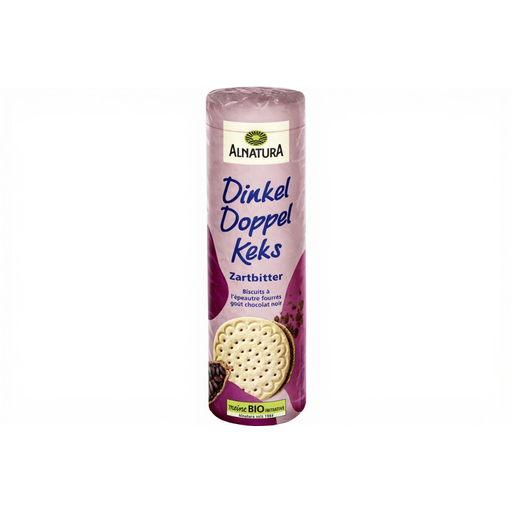 No image available
An option for an occasional biscuit treat, portioned by an adult. The name mentions spelt; check the cereals listed in the ingredients on the current pack before choosing this variety. Also check the declared allergens and only offer firm biscuits if your child can chew them safely.
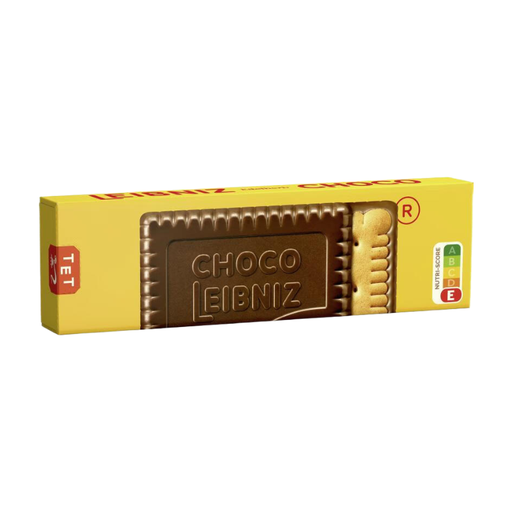 No image available
An option if you’re specifically looking for a butter biscuit with dark chocolate for an occasional snack. Check the sugar value and declared allergens on the current pack; the dark chocolate doesn’t make it an everyday snack. Only offer a small portion if your child can chew firm biscuits safely.
No, they’re not a suitable everyday snack to have freely throughout the day. The Verbraucherzentrale recommends no more than a child’s handful of sweets or snacks a day as a guide; kindergesundheit-info.de advises offering treats only occasionally and in small amounts.
No, the type of chocolate doesn’t give you a reliable indication of the sugar content of the whole biscuit. Compare the nutrition information per 100 g and read the ingredients list for the specific variety.
No, having oats in the product name doesn’t make a sweet biscuit suitable as a regular snack. When comparing biscuits, check the stated wholegrain content, fibre information and sugar value using the same measure.
The ingredients and allergen information on the current pack are what matter, not the dark chocolate. Under EU labelling rules, gluten-containing ingredients must be declared; if your child needs to avoid gluten, a biscuit containing gluten isn’t suitable.
It’s better to plan a specific time than to offer biscuits repeatedly throughout the day. To allow longer periods without sugary foods, kindergesundheit-info.de recommends offering treats after a main meal where possible.