
Lieferung heute & morgen

Qualitätsgarantie

Willkommens-Angebote freischalten: KOSTENLOSE Lieferung | Bis zu 80 % RABATT | Kostenlose 30-Tage-JoyPlus-Testphase
App herunterladen
Choosing the right at-home hair dye can be a challenge. The decision often leads to results that don't meet expectations. Many users know the disappointment when the shade on the box doesn't match the result on their head, grey strands are still visible, or their hair feels like straw after application. However, these problems are often due to avoidable pitfalls in the selection process.
The most common sources of error are:
Understanding the basic product parameters helps to avoid these mistakes and make an informed decision.
To find the right product, it's important not only to look at the picture on the packaging but also to understand the product's features. Three factors are particularly relevant here.
The longevity of the colour is a key criterion.
The ingredients determine how gentle the application is on your hair and scalp. An ammonia-free hair dye is an increasingly popular alternative. Ammonia serves to open the hair's cuticle layer so that the colour pigments can penetrate. Formulations without this ingredient often use alternative alkalising agents like ethanolamine, which are considered less odorous and gentler on the scalp. This can be a crucial advantage, especially for people with sensitive scalps.
The final colour result depends on your starting hair colour and the pigments in the product.
The product choice should be based on individual needs. Here are some recommendations tailored to specific user profiles.
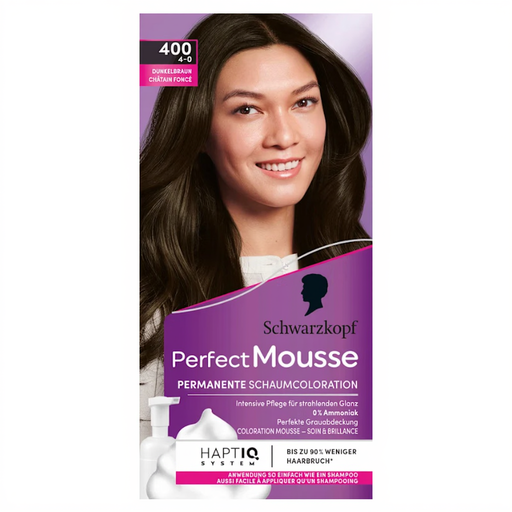
Why This Fits Their Persona: Anyone looking to dye their hair at home for the first time wants a straightforward solution. The foam texture is as easy to apply as a shampoo and spreads evenly without dripping.
The mousse formula minimises the risk of a patchy result, which can occur with cream dyes due to uneven application.
The formula is an ammonia-free hair dye, making the application less odorous and more pleasant. The permanent colour ensures long-lasting results.
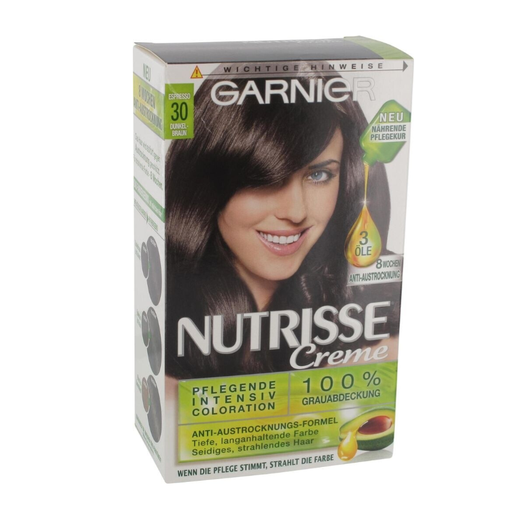
Why This Fits Their Persona: For users whose main concern is reliable grey coverage without damaging the hair. The conditioning treatment with five oils provides intensive nourishment.
The formula is designed for high coverage, directly addressing the problem of insufficient grey coverage. The rich conditioning treatment prevents hair from feeling dry after dyeing.
According to the manufacturer, it offers up to 100% grey coverage and an anti-dryness formula that conditions the hair for up to 8 weeks.
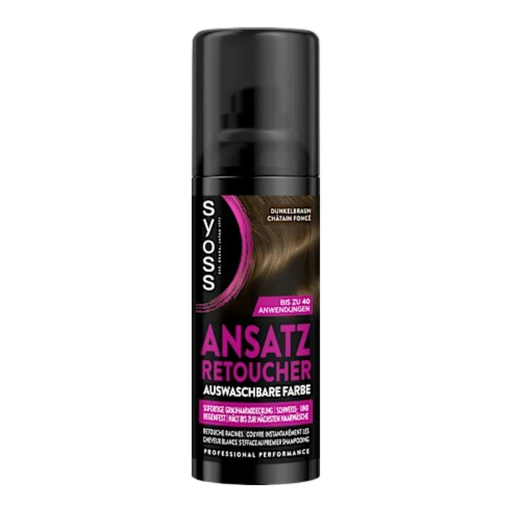
Why This Fits Their Persona: Ideal for those who want to quickly and easily conceal regrowth between full colourings without having to dye their entire head.
This product is a targeted solution for a specific problem, avoiding the effort and expense of a full colour treatment when only a small correction is needed.
The precise dark brown root spray allows for application in seconds. The micro-fine pigments ensure a seamless blend and last until the next wash.
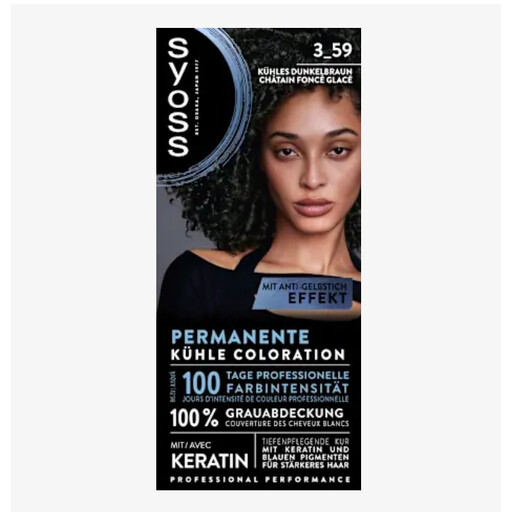
Why This Fits Their Persona: Perfect for users who specifically want to achieve an ashy, cool brown tone without any red or copper undertones.
This product solves the problem of unwanted red tones by offering a special formula for cool colour results. The included conditioner with blue pigments enhances this effect.
The permanent dye is explicitly labelled as a cool dark brown. The post-colour treatment helps to neutralise warm undertones and maintain the cool result.
We have compiled a complete, up-to-date list of products that fully meet these strict selection criteria and German safety regulations.
The longevity depends on the type of product. A permanent dark brown dye grows out and needs to be touched up at the roots. A demi-permanent dye typically lasts 6 to 8 weeks, depending on how often you wash your hair. Temporary products like root sprays only last until the next wash.
To avoid an unwanted red tinge, you should specifically look for products labelled cool dark brown or "ash." These contain pigments that neutralise warm tones. Always perform a strand test before full application to check the colour result on your hair.
Yes, many modern at-home products offer very good grey coverage. For complete coverage, especially with a high percentage of grey, a permanent dye is the safest choice. Pay attention to the manufacturer's information on coverage on the packaging, such as "100% Grey Coverage." Proper application technique, where the colour is applied to the grey areas first, can also improve the result.