Anyone looking for a dark chocolate flavour
If you want the biscuit to stand out in cookies or layered desserts, look at the type and amount of chocolate or cocoa powder, rather than relying on the word “dark” alone.


If you want the biscuit itself to add a distinct dark chocolate flavour to your dessert, a butter biscuit with a dark chocolate coating is the better choice; REWE and EDEKA both state that the varieties covered here contain 63% dark chocolate. A cocoa biscuit made with cocoa powder in the dough is a different option, for example if you want the filling to take centre stage in a biscuit base. Before baking, check the current pack for ingredients and allergens, and make sure the type of biscuit suits the recipe step you have in mind.
If you want the biscuit to stand out in cookies or layered desserts, look at the type and amount of chocolate or cocoa powder, rather than relying on the word “dark” alone.
When crushing biscuits for a base, it’s also important to consider how they’ll work with the butter and filling you have in mind. EDEKA recommends avoiding biscuits with very rich fillings for biscuit bases.
If several people will be eating the bake, check the ingredients and any precautionary allergen information on the specific pack before using it.
A good choice if: You want the chocolate on the biscuit to play a noticeable part in the finished dessert.
Consider: You can’t adjust the flavour of an existing coating separately from the biscuit, so make sure it suits the recipe if you’re making a biscuit base.
A good choice if: Cocoa powder in the biscuit is enough, and you want a cream, for example, to define the flavour of the dessert.
Consider: Cocoa powder in the dough isn’t the same as a chocolate layer; REWE states that Leibniz Kakao Keks contains 3.8% low-fat cocoa powder.
A good choice if: You want to add the dark element separately, using cream, cocoa or chocolate couverture.
Consider: A butter biscuit on its own won’t give you the dark biscuit option you’re looking for.
| Criterion | What to check | Who should consider it? |
|---|---|---|
| Dark flavour | Check whether the product has a chocolate coating or cocoa powder in the dough, then read the percentage stated for that specific product. | I want the biscuit itself to add a dark chocolate element to my bake. This is the top priority for around 40% of consumers. |
| How you’ll use it in the recipe | Decide whether the biscuits will be layered, crushed or used as decoration; if you’re making a biscuit base, take the filling into account. | I want the biscuit for my base to work with the planned cream without overpowering its flavour. This is the main concern for around 30% of consumers. |
| Ingredients and allergens | Check the current ingredients list and precautionary allergen information on the pack, especially for wheat, milk, soya, egg and nuts. | If other people will be eating the bake, I need to check which ingredients are suitable for them first. Around 30% of consumers prioritise this check. |
A cocoa biscuit and a butter biscuit coated in chocolate are made differently. REWE states that Leibniz Kakao Keks contains 3.8% low-fat cocoa powder, while Leibniz Choco Edelherb contains 63% dark chocolate.
First compare the type of ingredient, then check the percentage stated for each product.
To make a base, biscuits are crushed and mixed with butter. EDEKA advises against using biscuits with very rich fillings.
Before buying, decide whether you want the base to take a back seat or add a dark chocolate element of its own.
Ingredients and allergen information vary between products. Griesson-de Beukelaer also notes that, after a recipe change, packs with different information may still be available in shops.
Just before using the product, read the ingredients list and any precautionary allergen information on the pack you have.
ALDI SÜD notes that BISCOTTO Schoko Butterkeks Zartbitter is available in limited quantities and may occasionally sell out. EDEKA says that availability of its chocolate butter biscuit may vary between stores.
Check that your preferred variety is available in good time. If you need an alternative, compare its ingredients and allergens before choosing it.
Choco Edelherb and Kakao Keks are two different types of product: one has a chocolate coating, while the other contains cocoa powder in the biscuit.
Schoko-Butterkeks Zartbitter is a chocolate-coated butter biscuit from EDEKA’s own-label range.
ALDI SÜD lists a Schoko Butterkeks in the Zartbitter variety, in a 125 g pack.
Schoko Keks Zartbitter is a butter biscuit coated in chocolate, sold in a 125 g pack.
The classic butter biscuits described by Lidl Germany may suit you as a base if you want to add the dark element separately.
This selection features a butter biscuit with dark chocolate for recipes where you want the biscuit itself to add a chocolate element. Whether it’s suitable for a particular biscuit base or baking step depends on your recipe.
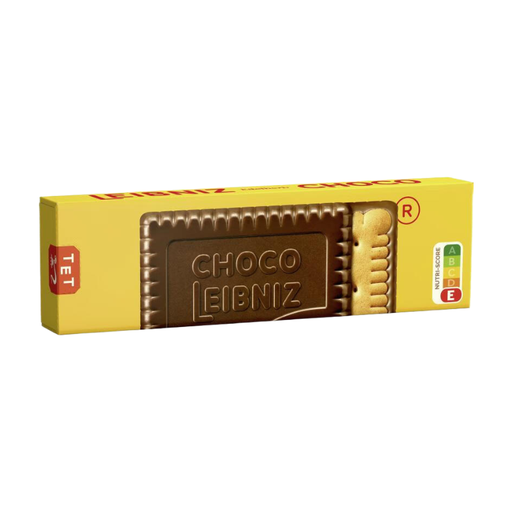 Image unavailable
This variety is worth considering if you want the biscuit itself to add dark chocolate to your bake or dessert. If a particular chocolate percentage or suitability for a biscuit base is important, check the pack or the requirements of your recipe. If you have allergies, check the current pack for information about wheat, milk, egg and possible traces of nuts.
No. Cocoa powder in a biscuit and a chocolate coating are different ingredients and make for different types of product. REWE states that Leibniz Kakao Keks contains 3.8% low-fat cocoa powder, while Leibniz Choco Edelherb contains 63% dark chocolate; EDEKA states that its Schoko-Butterkeks contains 63% dark chocolate. These percentages refer to different ingredients, so they aren’t a direct comparison of flavour.
If you want the cream to take centre stage, consider using a classic butter biscuit or a cocoa biscuit for the base. If you want the biscuit itself to add chocolate, a coated variety may also work, as long as the coating suits the recipe. EDEKA recommends avoiding biscuits with very rich fillings for biscuit bases.
Check the ingredients list and any precautionary allergen information on the current pack of the product you choose. For the varieties described here, REWE and EDEKA list wheat and milk, among other ingredients; depending on the product, soya, egg or a warning about possible traces of nuts may also apply. Lebensmittelklarheit explains that allergens deliberately added as ingredients must be declared; this is different from a precautionary warning about possible traces.