For a visible layer of dark chocolate, a chocolate-coated butter biscuit is a good option; for dark crumbs or a biscuit base, a cocoa biscuit is a different choice. If you want to control the amount of chocolate in the recipe yourself, you can pair a plain butter biscuit with dark chocolate chosen separately. A stated chocolate percentage is not the same as the cocoa content of the biscuit as a whole.
Which type of biscuit suits you?
For visible layers of chocolate
If you want to use a biscuit as a topping or a whole layer, a butter biscuit with dark chocolate is an obvious choice. Check whether the percentage on the pack refers to the chocolate or to the cocoa in the product as a whole.
For bases and dark crumbs
If you want to crush biscuits for a base or a layer, a cocoa biscuit without a chocolate coating is an option. REWE also describes butter biscuits as a base for cakes and no-bake desserts.
If you’re choosing based on ingredients
If you’re baking for a group or need to account for allergens, check the current ingredients list and allergen information before you start. Compare sugar and fat per 100 g if these values matter for your recipe.
What to look for when choosing
Butter biscuit with dark chocolate
A good fit if: You want a ready-made chocolate layer to show on your bake.
The trade-off: The chocolate is part of the biscuit, so you can’t adjust its amount independently in the recipe.
Uncoated cocoa biscuit
A good fit if: You want dark biscuit crumbs for a base or a layer.
The trade-off: Cocoa in the biscuit dough is no substitute for a separate layer of chocolate.
Plain butter biscuit with chocolate on the side
A good fit if: You want to choose the biscuit and dark chocolate separately for your recipe.
The trade-off: On its own, the biscuit has neither the dark colour nor the chocolate layer.
| Criterion | What to check when buying | Who it matters to |
|---|
| Chocolate flavour and appearance |
Does the pack list dark chocolate as a coating, or cocoa powder in the biscuit dough? A stated chocolate percentage does not automatically tell you the cocoa content of the biscuit as a whole. |
If I want a visible, rich chocolate coating, I’d choose a chocolate-coated biscuit rather than just dark crumbs. Around 42% of consumers put this chocolate impression first when choosing. |
| How you’ll use it in your recipe |
Decide whether you need whole biscuits, crumbs or a base, and whether a ready-made chocolate layer will work for you. |
If I’m crushing biscuits for a base or using whole biscuits as decoration, the right product format matters most to me. This recipe use is the main priority for around 25% of consumers. |
| Ingredients and nutritional values |
Check the ingredients, allergen information, and sugar and fat per 100 g on the current pack. |
When I’m baking for others, I want to check the ingredients before using the biscuits and compare the nutritional values with my recipe in mind. Around 33% of consumers put these checks first. |
Common mix-ups
-
Reading “dark chocolate” as a cocoa percentage
REWE lists LEIBNIZ Choco Edelherb as containing 63% chocolate. This figure describes the proportion of chocolate in the product, not the cocoa content of the biscuit as a whole.
If a particular cocoa percentage matters to you, check exactly what each percentage on the pack refers to.
-
Treating cocoa biscuits and chocolate biscuits as interchangeable
A cocoa biscuit has cocoa powder in the dough; a chocolate-coated butter biscuit has a separate layer of chocolate. They’re different starting points for crumbs and a visible topping.
Before you buy, decide whether you want to crush the biscuit or show the chocolate-coated side. If you want the coating to keep its shape in the oven, try your planned use with a small amount first.
-
Judging allergens by the product name alone
As well as wheat, a dark biscuit may contain milk ingredients or egg. The name and front of the pack aren’t enough to make this decision.
Before baking, read the ingredients list and any precautionary allergen information on the specific pack, especially if anyone eating the biscuits has allergies.
Brands to help you choose
LEIBNIZ
The LEIBNIZ products featured here show the difference between a chocolate-coated butter biscuit and a cocoa biscuit.
- REWE lists Choco Edelherb as containing 63% dark chocolate and Zoo Kakao as containing 3.9% low-fat cocoa powder.
- These figures refer to different ingredients, so they can’t be used to rank the products by the cocoa content of the biscuit as a whole.
ja!
REWE’s own brand offers another example of a chocolate butter biscuit with its ja! Zartbitter Schokokeks.
- REWE describes the product as a butter biscuit with 63% dark chocolate.
- Here, too, the chocolate percentage is not the same as a stated cocoa percentage for the biscuit as a whole. Check the ingredients on the current pack.
Bahlsen
Bahlsen lists LEIBNIZ as part of its biscuit family. When choosing biscuits for baking, the details for each variety are more useful than the brand family name.
- The brand connection helps you place LEIBNIZ products within the wider range.
- The brand alone won’t tell you the cocoa content or whether a particular variety is right for your recipe.
Dark chocolate butter biscuits at Joybuy
This dark chocolate butter biscuit is worth considering for recipes where you want the chocolate to come ready on the biscuit. If you’re making a crumb base or using it as decoration in the oven, check that the chocolate layer suits the way you plan to use it.
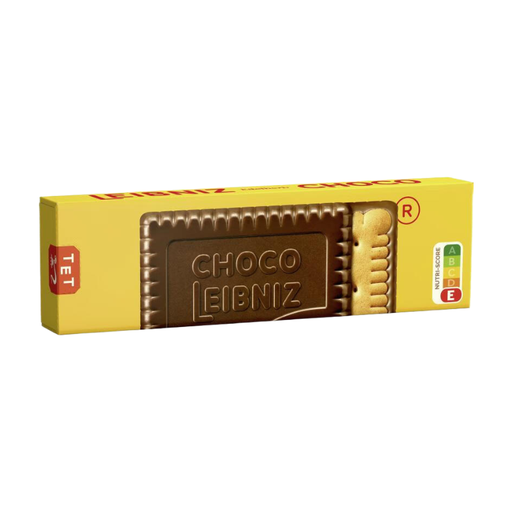 Image unavailable
Leibniz butter biscuits with dark chocolate, 125 g
For baking ideas where you want to use butter biscuits and dark chocolate together.
Pack size: 125 g. Check the current ingredients and allergen information before using. If you want to use the chocolate as visible decoration in the oven, try a small amount first to see whether it holds its shape.
View at Joybuy
Baking with butter biscuits: your questions answered
Can you use a plain butter biscuit for a no-bake base?
Yes. Butter biscuits can be used as the base for a no-bake cake, and REWE specifically mentions this use. For a darker version, choose a cocoa biscuit or pair a butter biscuit with dark chocolate chosen separately.
Is LEIBNIZ Choco Edelherb free from milk and egg?
No. The ingredients list provided by LEIBNIZ includes milk ingredients, butter and egg yolk, among other things. If you have an allergy, always follow the information on the pack you’re actually using.
Where can I check the ingredients and allergens in packaged biscuits?
Check the ingredients list and allergen information on the specific pack before adding the biscuits to your recipe. The European Union lists this information as part of the labelling requirements for prepacked foods. Check it again whenever you buy a new pack.


