What should you look for when buying?
First, decide whether you want a biscuit to serve or chocolate to bake with. Then compare the cocoa, ingredient and allergen information for the relevant product type.
| Criteria |
What to check when buying |
Who it matters to |
| Rich cocoa flavour |
Look for an explicitly stated cocoa percentage. With biscuits, don’t confuse the proportion of chocolate in the product with the cocoa content of the chocolate. |
If you’re looking for a pronounced cocoa flavour, dark packaging alone isn’t enough to go on. Around 42 % of consumers put this flavour preference first. |
| Product type for baking |
For chocolate in the dough, look for baking chunks; for decoration, look for flakes. Choose a ready-made biscuit if you want one to eat as it is. |
If you want chocolate in your festive biscuits rather than beside your coffee, you’ll need an ingredient intended for baking. For around 33 % of consumers, this use comes first. |
| Ingredients and allergens |
Read the ingredients list, highlighted allergens and any ‘may contain’ statements on the specific pack. |
If you’re shopping for people with specific dietary requirements, you need to know exactly what’s in that pack. This check takes priority for around 25 % of consumers. |
Brands and product ranges to help you choose
The examples below show different product types; information about one variety doesn’t automatically apply to other products from the same brand.
LEIBNIZ / Choco LEIBNIZ
LEIBNIZ describes Choco Edelherb as a ready-to-eat butter biscuit with dark chocolate.
- The product information includes ingredients and nutritional values, so you can check the specific recipe before buying.
- The proportion of chocolate in the biscuit isn’t the same as the cocoa content of that chocolate. The recipe listed contains ingredients including wheat, milk, butter and egg yolk.
GUT&GÜNSTIG
EDEKA describes its dark chocolate butter biscuit as a ready-to-eat butter biscuit with 63 % dark chocolate.
- The stated chocolate content can be understood as a proportion of the biscuit; EDEKA also publishes nutritional values and ingredient information.
- The 63 % figure isn’t a cocoa percentage. EDEKA lists ingredients including wheat, milk and soya, as well as a possible ‘may contain’ statement for nuts.
EDEKA Backzutaten
Dark chocolate chunks and flakes are ingredients for baking or decorating, not ready-made biscuits.
- For the chunks described, EDEKA states a minimum cocoa content of 50 %; for the flakes, it states a minimum of 60 %.
- These different shapes are suited to different uses in dough and for decoration. Check the ingredients and any ‘may contain’ statements on the pack you choose.
SONDEY
Lidl sells SONDEY as its own-label range of small biscuits and baked treats.
- When choosing a dark chocolate biscuit, the information for the specific variety about its chocolate, ingredients and allergens is what matters; a general brand description can’t replace it.
Suitable products at Joybuy
Here are two product types for the festive baking season: a ready-made chocolate biscuit to serve and dark chocolate chunks for baking. Choose according to how you plan to use them, rather than just looking for dark chocolate in the name.
 No image available
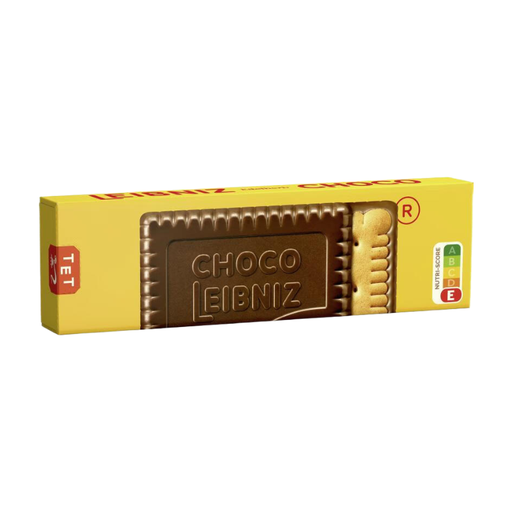
Leibniz butter biscuits with dark chocolate, 125 g
A ready-made biscuit to eat as it is. If you need a specific cocoa content or have particular ingredient requirements, check the information on the pack; the words ‘dark chocolate’ alone don’t indicate a cocoa percentage.
View at Joybuy
 No image available
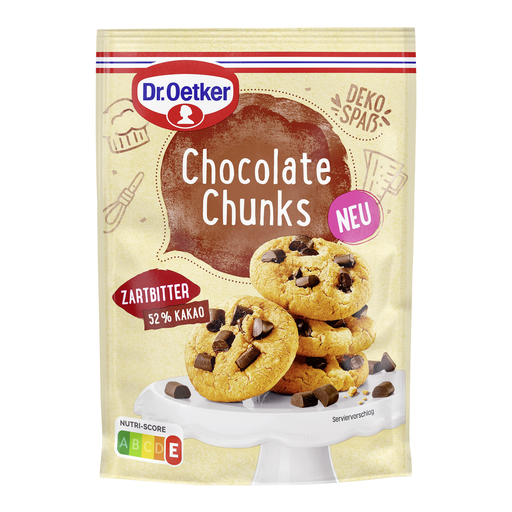
Dr. Oetker dark chocolate baking chunks, 100 g
Chunks for anyone looking for dark chocolate to bake with, rather than a ready-made biscuit to serve. If a specific cocoa content or possible allergen traces matter to you, check the details on the pack.
View at Joybuy
Frequently asked questions
Does ‘dark chocolate’ on a chocolate biscuit automatically mean it contains lots of cocoa?
No. A percentage on a chocolate biscuit may refer to the proportion of chocolate in the product as a whole, rather than the cocoa content of that chocolate. For example, the 63 % stated by EDEKA for its GUT&GÜNSTIG dark chocolate butter biscuit refers to the amount of dark chocolate in the biscuit. To find a particular cocoa percentage, look for a figure that explicitly refers to it.
Can I buy baking chunks for festive biscuits instead of chocolate biscuits?
Yes, if you need chocolate as an ingredient in the dough – not if you want to serve ready-made biscuits. Check the suggested use for chunks and, if needed, the cocoa content; flakes may be more suitable for visible decoration.
Are dark chocolate biscuits automatically vegan or dairy-free?
No. LEIBNIZ lists milk, butter and egg yolk in Choco Edelherb; the GUT&GÜNSTIG dark chocolate butter biscuit described by EDEKA also contains milk. Check the ingredients and allergens for the variety you’re actually buying.
Are biscuits no longer safe to eat after their best-before date?
Not necessarily: Lebensmittelverband Deutschland explains that a best-before date isn’t an expiry date. If the biscuits have been stored correctly, check their condition before using them; don’t eat them if you spot mould or any other unusual changes.


