Leisure cyclists out after work
If you fancy a chocolatey biscuit on a relaxed ride or during a break, you can plan it in as a treat. Even so, make sure the portion fits in with the rest of your ride snacks.


Dark chocolate biscuits are better suited to cycling as a sweet break-time treat or as an addition to your ride snacks than as an untested replacement for all your food on a long or strenuous ride. What matters is the carbohydrate and fat content of the portion you actually eat, how well you tolerate it, and the ingredients and allergens; a dark cocoa flavour alone tells you little about any of these.
If you fancy a chocolatey biscuit on a relaxed ride or during a break, you can plan it in as a treat. Even so, make sure the portion fits in with the rest of your ride snacks.
If you’re looking for a vegan option, check the details for the specific recipe. If you also need to avoid certain ingredients, read the ingredients list and any may-contain warnings on the pack.
If you need to avoid ingredients such as gluten, eggs, nuts or milk, the labelling on the variety you buy is key. A single claim such as ‘gluten-free’ doesn’t answer all your other allergen questions.
First, decide whether you want the biscuit for a break or as a snack while you’re riding. Then compare the nutritional values for your planned portion, and finally check the ingredients and pack format.
| Criteria | What to check when buying | Who it matters most to |
|---|---|---|
| Ride nutrition | Compare the carbohydrate and fat content for your planned portion, and consider how well you tolerate it during exercise. | On a long or strenuous ride, I want to know how a biscuit fits in alongside my other food. For around 42% of consumers, this energy requirement is the main consideration. |
| Ingredients and allergens | Read the ingredients list, highlighted allergens and may-contain warnings on the specific pack. | If I need to avoid certain ingredients or eat vegan, the labelling on the variety I choose determines what I can buy. Around 33% of consumers put these requirements first. |
| Flavour and portability | Distinguish between dark chocolate and a simple chocolate flavour, and match the pack size to the portion you have in mind. | For a break on my ride, I’m mainly looking for a dark cocoa note and a quantity I’ll want to take with me. Around 25% of consumers give this combination of enjoyment and convenience the greatest weight. |
The German Nutrition Society describes carbohydrates as an important part of the diet for endurance sport. However, that doesn’t mean every biscuit is equally suitable for every ride. For example, REWE’s ja! dark chocolate biscuit contains 59.2 g of carbohydrate and 25.9 g of fat per 100 g. Remember to relate the per-100 g figures to the amount you actually plan to eat.
The description tells you about the chocolate style, not whether the biscuit is suitable as sports nutrition. REWE’s ja! dark chocolate biscuit, for example, contains 25.9 g of fat per 100 g.
Compare the carbohydrate, sugar and fat content for your planned portion. If you want to eat a biscuit while riding, try it beforehand to see how that specific portion sits with you during exercise.
A multipack, an individually wrapped pack and a single biscuit can all represent different amounts to eat. Nutritional values per 100 g don’t automatically tell you what you’ll be eating on a ride.
Decide on a portion and calculate the figures based on its weight, or use any nutritional information provided per portion.
REWE labels its organic dark chocolate oat biscuits as vegan, but also states that they may contain traces of milk and soya. Gullón describes ChocoBom Cacao as gluten-free and free from nuts and eggs, while also warning that it may contain traces of milk.
If you need to avoid certain ingredients, check the full labelling on the pack you actually buy rather than assuming that one claim means it meets all your other requirements too.
Choco LEIBNIZ Dark combines LEIBNIZ butter biscuits with dark chocolate.
According to REWE, the ja! dark chocolate biscuit is a butter biscuit coated in 63% dark chocolate.
According to REWE, its dark chocolate oat biscuits are vegan organic oat biscuits with dark chocolate.
GUT&GÜNSTIG’s chocolate rings are chocolate-coated biscuits, but they aren’t described as dark chocolate biscuits.
ChocoBom Cacao is a cocoa biscuit in three individual packs, rather than one specifically described as containing a high proportion of dark chocolate.
Lidl includes Sondey in its range of small biscuits.
These biscuits suit anyone looking for dark chocolate or a dark chocolate flavour for a break on a ride. The product names alone don’t confirm a high cocoa content or that they’re suitable as your only food on a strenuous ride.
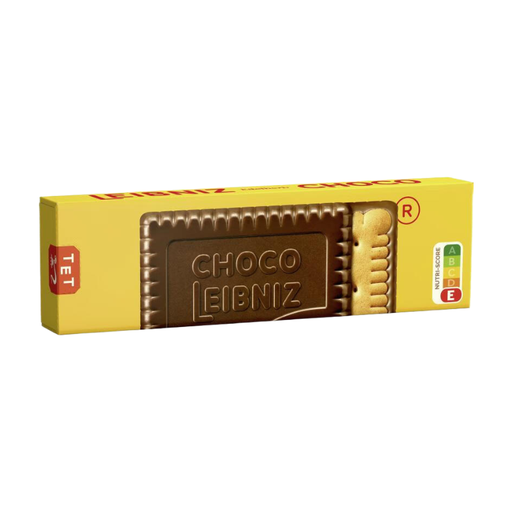 Image unavailable
A biscuit and chocolate combination for a break when you’re specifically after dark chocolate.
The product name lists a 125-g pack. Check the nutritional information for your planned portion, and read the pack if you have any ingredient requirements.
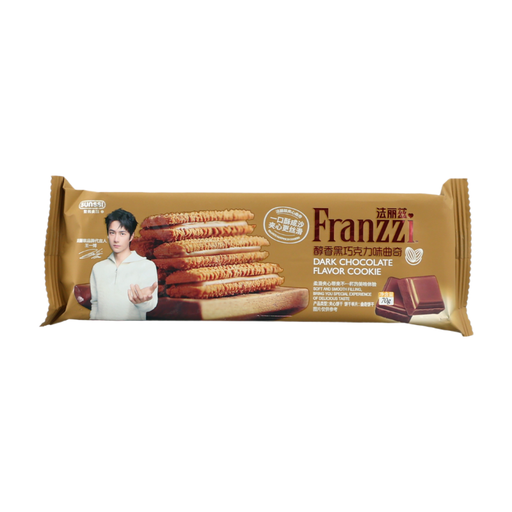 Image unavailable
An option for a break if a dark chocolate flavour matters more to you than a stated proportion of dark chocolate.
The product name lists 70 g. Check the number of biscuits and the nutritional information on the pack before deciding on a portion for your ride.
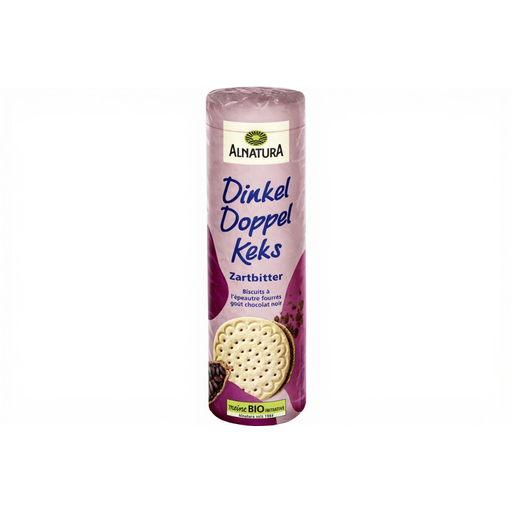 Image unavailable
Sandwich biscuits with dark chocolate in the product name, if you’re after this style of biscuit rather than chocolate-coated butter biscuits.
The product name lists a 330-g pack. For a portion on a ride, the weight per biscuit, nutritional values and ingredient information on the specific pack are what matter.
Don’t rely on them as your only ride food without checking first. The German Nutrition Society highlights the importance of carbohydrates during endurance exercise, but a biscuit still needs to fit in with the rest of your food in terms of the portion you actually eat and how well you tolerate it.
Check the information on the specific pack, including the ingredients, suitability claims and may-contain warnings. REWE states that its vegan organic dark chocolate oat biscuits may contain traces of milk and soya; Gullón warns that its ChocoBom Cacao may contain traces of milk despite being labelled gluten-free.
No. The coating tells you about the flavour and recipe, but it doesn’t replace comparing the carbohydrate, sugar and fat content or considering how much you’ll actually eat. For example, REWE states that its ja! dark chocolate biscuit contains 59.2 g of carbohydrate and 25.9 g of fat per 100 g.
The ingredients list, allergen labelling, nutritional information and pack size are particularly useful when deciding what to buy. The Verbraucherzentrale explains how packaged foods are labelled; if you need to avoid certain ingredients, check the information on the pack you actually buy.