Dark chocolate fans who enjoy a biscuit with coffee or tea
You’re looking for a biscuit where dark chocolate takes centre stage, so you’ll want to distinguish between a chocolate coating, a cream filling and a mix with milk chocolate.


If you’re looking for a dark chocolate biscuit for your afternoon break, a product with a chocolate coating, such as LEIBNIZ Choco Dark, is different from a cookie with a dark chocolate cream filling or a mix of milk and dark chocolate. A no-added-sugar option may also be worth considering, but check its sweeteners and ingredients. The word “dark” doesn’t guarantee a particular cocoa percentage, so check the specific pack if a high percentage matters to you.
You’re looking for a biscuit where dark chocolate takes centre stage, so you’ll want to distinguish between a chocolate coating, a cream filling and a mix with milk chocolate.
You check the nutrition information and ingredients rather than assuming “no added sugar” means sugar-free or low in calories. If a recipe contains maltitol, the type of sweetener is also relevant to your choice.
You need to check the labelling on the specific product, including information about wheat, milk, egg or soya, as well as any warnings about possible traces. The dark colour of the chocolate is no substitute for checking the pack.
When choosing dark chocolate biscuits for your afternoon break, start by checking the type of chocolate and any stated cocoa percentage. Then compare the nutritional values, ingredients and pack size to find the right option for you.
| Criteria | What to check | Who it matters to |
|---|---|---|
| Dark chocolate and cocoa percentage | Check whether the chocolate is a coating, a filling or part of a chocolate mix. If a particular cocoa percentage matters to you, look for it stated clearly on the pack. | For a break with coffee or tea, I want dark chocolate rather than a mix that is mostly milk chocolate. Around 36 % of shoppers put this flavour and a clearly stated cocoa percentage first. |
| Sugar and sweeteners | Compare the sugar and energy values per 100 g. If the pack says “no added sugar”, check the ingredients for sweeteners such as maltitol. | When choosing a no-added-sugar cookie, I want to know what it’s sweetened with and what its nutritional values are. For around 29 % of shoppers, this comparison comes first. |
| Ingredients and allergens | Check the highlighted allergens and any warnings about possible traces on the pack of the product you’ve chosen. | If I need to avoid certain ingredients, the specific recipe determines whether the biscuit is suitable for me. Around 21 % of shoppers make this their first priority. |
| Pack and availability | Check the pack size and whether it’s available from your chosen retailer. | For an easy afternoon break, I need a pack that’s the right size and available where I want to shop. Around 14 % of shoppers put this need first. |
A dark coating, dark chocolate and cocoa-based cream are different components of a biscuit. Even a stated chocolate percentage doesn’t automatically tell you the cocoa percentage of that chocolate.
If you’re looking for a particular cocoa percentage, check whether it’s stated explicitly on the current pack for the relevant chocolate component.
A recipe like this may contain sugar substitutes. According to the product information from World of Sweets, Gullón Digestive Choco Zero contains maltitol; the Verbraucherzentrale (German consumer advice centre) notes that sugar substitutes can have a laxative effect when consumed in large quantities.
Compare the nutritional values per 100 g and check the ingredients if sweeteners are a factor in your choice.
Depending on the recipe, biscuits may contain wheat, milk, egg or soya, among other ingredients. Warnings about possible traces may also be important when deciding what to buy.
Check the allergen information on the pack of the specific product rather than relying on its colour or name.
LEIBNIZ offers two different types of biscuit here: Choco Dark with dark chocolate, and Keks'n Cream Dark Choc with a chocolate cream filling.
EDEKA Double Chocolate Cookies are an option if you’re looking for a cookie with both milk and dark chocolate.
Digestive Choco Zero combines a digestive biscuit with dark chocolate in a no-added-sugar recipe.
Lidl Germany sells Sondey as a brand of sweet biscuits and other small baked treats.
Here you’ll find a butter biscuit with dark chocolate alongside cookies with a dark chocolate flavour, all suited to an afternoon break. If you’re looking for a particular cocoa percentage, check the figure on the relevant pack.
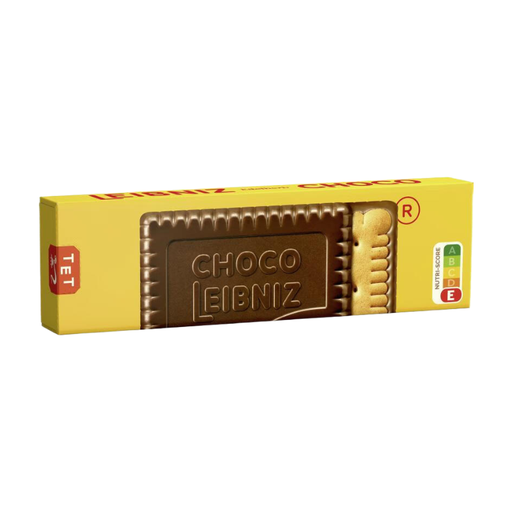 No image available
For a break when you’re after a butter biscuit with dark chocolate. The pack contains 125 g; if a particular cocoa percentage matters to you, check the figure on the current packaging.
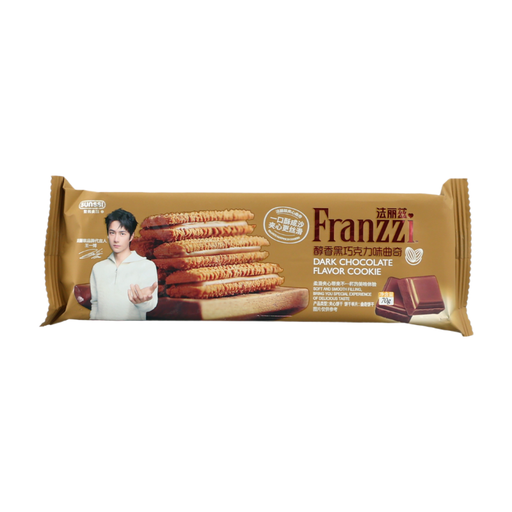 No image available
For a tea break or a snack at the office when you’re looking for cookies with a dark chocolate flavour. The pack contains 70 g; the flavour description alone doesn’t mean they have a chocolate coating or a particular cocoa percentage.
No. These descriptions alone don’t tell you the cocoa percentage of the biscuit or its chocolate component. If a high cocoa percentage matters to you, look for it stated clearly on the current pack and check what it refers to.
Check the labelling on the specific pack. Depending on the recipe, wheat, milk, egg and soya may be relevant, as may warnings about possible traces. The Federal Ministry of Agriculture, Food and Regional Identity explains that the 14 most common food allergens and causes of intolerances must be labelled. The dark colour doesn’t tell you anything about the ingredients.
No. A no-added-sugar recipe may contain sweeteners: Gullón Digestive Choco Zero is listed as containing maltitol. To make your choice, compare the ingredients and nutritional values per 100 g rather than assuming the sugar or energy content from that claim alone.
Follow the storage instructions on the relevant pack. REWE advises storing LEIBNIZ Keks'n Cream Dark Choc in a dry place and protecting it from heat. Don’t assume the same instructions apply to other varieties without checking.