
Lieferung heute & morgen

Qualitätsgarantie

Willkommens-Angebote freischalten: KOSTENLOSE Lieferung | Bis zu 80 % RABATT | Kostenlose 30-Tage-JoyPlus-Testphase
App herunterladen
By the Joybuy Product Recommendation Officer, August 28, 2026
Choosing the right dark chocolate can be more complex than it first appears. The market is vast, with packaging that boasts tempting percentages and health claims. However, not every bar delivers on its promise. Many consumers invest in supposedly premium products, only to be disappointed by a lacklustre flavour, an undesirable ingredient list, or a texture unsuitable for their baking project.
This guide will help you identify the crucial quality markers and avoid common buying traps. We focus on the facts so you can make an informed decision that suits your taste and intended use.
Before we dive into the selection criteria, it's important to clear up three common misconceptions that often lead to a poor purchase:
To find the right dark chocolate, you should check three central aspects. These will help you objectively assess the product's quality.
The cacao content indicates the percentage of all ingredients derived from the cacao bean (cacao mass and cocoa butter). A good dark chocolate typically starts at 50% and can go up to over 90%. However, pay close attention to the ingredient list:
The intended use is crucial for your selection.
We have selected products from our range that are suitable for specific user profiles and avoid the pitfalls mentioned earlier.
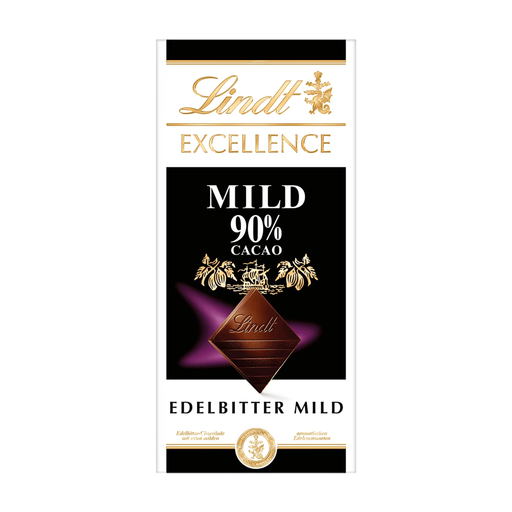
Why This Fits Their Persona: Ideal for connoisseurs seeking an intense and pure cacao aroma. The high cacao content is combined with a remarkably smooth texture that rounds out the flavour experience.
This chocolate bypasses the high-cacao fallacy by delivering a balanced, less bitter flavour profile despite its 90% cacao content. The quality of the processing is front and centre here.
Very high cacao content (90%) with a simultaneously low sugar content (7g per 100g). The ingredient list is short and pared down to the essentials.

Why This Fits Their Persona: Perfect for those who want to enjoy the full flavour of dark chocolate but wish to avoid added table sugar. It offers an intense taste experience with a 55% cacao content.
This product is transparent about its use of the sweetener maltitol instead of sugar. It avoids the hidden sugar trap and is clearly aimed at an informed audience.
According to the nutritional information, it contains only 1g of sugar per 100g. The recipe is also gluten-free and still delivers a full-bodied chocolate aroma.
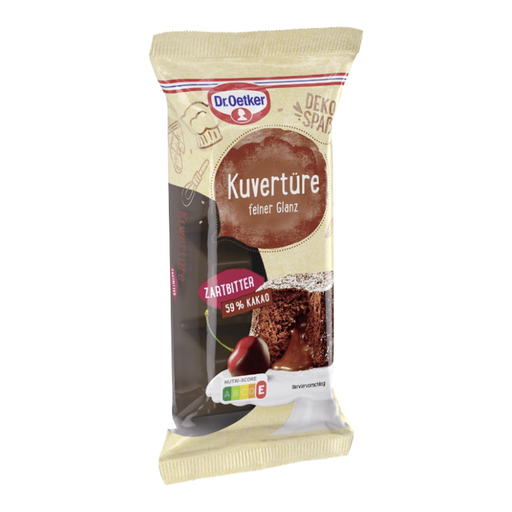
Why This Fits Their Persona: Specially developed for patisserie. This couverture is the right choice for anyone looking to achieve a professional, high-gloss coating for cakes, pralines, or desserts.
It solves the problem of using unsuitable chocolate for baking. Thanks to its higher cocoa butter content, it melts evenly and is easy to work with, without clumping or becoming dull.
A minimum of 59% cacao for an intense flavour. The formulation is optimised for a glossy finish and a smooth consistency.
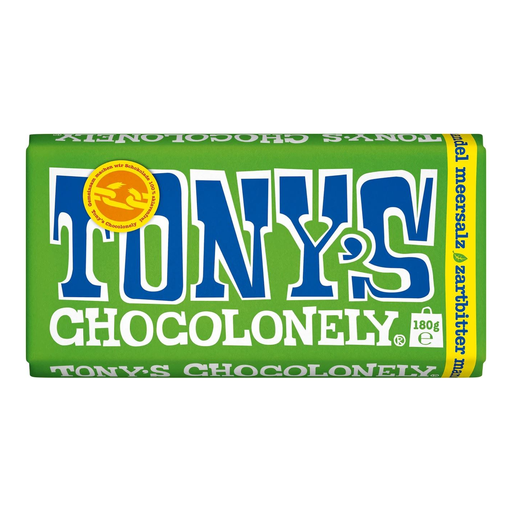
Why This Fits Their Persona: For anyone who finds plain chocolate too one-dimensional. The combination of robust dark chocolate, crunchy almonds, and a pinch of sea salt offers a multi-layered taste and texture experience.
This chocolate is more than just a bar with additions. The ingredients are carefully balanced so that the hint of salt and the almonds complement the cacao flavour rather than overpowering it.
Offers a balanced interplay of sweet, salty, and nutty. The 51% cacao content provides a solid dark chocolate base that isn't too dominant. Vegan recipe.
We have compiled a complete, up-to-date list of products that fully meet these strict selection criteria and local regulations.
1. What does the cacao content in dark chocolate really mean? The cacao content indicates the total percentage of ingredients derived from the cacao bean, namely cacao mass and cocoa butter. A higher value usually means a more intense cacao flavour and less sugar. However, it is not the sole indicator of quality. The origin of the bean and the chocolatier's processing methods are just as crucial for the final aroma.
2. How should you store dark chocolate correctly to maintain its quality? Dark chocolate should be stored in a cool, dry, and dark place at a constant temperature between 15°C and 18°C. The refrigerator is unsuitable, as the moisture can lead to sugar bloom (a white, grainy layer) and the chocolate can absorb foreign odours. A well-sealed package in a pantry is ideal.
3. Can you use any dark chocolate for baking? Technically, yes, but it's not recommended for optimal results. Eating chocolate often has a lower cocoa butter content than couverture. As a result, it melts less evenly and can form a dull, unattractive coating when it cools. For glazes, coatings, or chocolate sauces, special couverture or baking chocolate is the better choice. However, for adding to batter (e.g., as chunks in cookies), a regular dark chocolate bar is also suitable.