
Lieferung heute & morgen

Qualitätsgarantie

Willkommens-Angebote freischalten: KOSTENLOSE Lieferung | Bis zu 80 % RABATT | Kostenlose 30-Tage-JoyPlus-Testphase
App herunterladen
Dark chocolate is more than just a sweet treat; it's a delicacy with an impressive variety of flavour profiles. But the market can be overwhelming. Anyone looking for high-quality dark chocolate often encounters misleading claims and marketing terms that promise more than they deliver. This guide will help you identify the key quality markers and avoid common pitfalls when buying.
The selection on supermarket shelves is vast, but not every dark chocolate bar is worth its price. Watch out for these common pitfalls:
To make an informed decision, you should focus on objective and verifiable characteristics.
The cacao content indicates the percentage of the product made from cacao components (cacao mass and cocoa butter). A good guide is:
The ingredients list is just as important. In a high-quality dark chocolate, cacao mass should be the first ingredient, followed by cocoa butter, sugar, and possibly an emulsifier like lecithin. A short and clear ingredients list is often a good sign. For health-conscious buyers, there is also chocolate with no added sugar, which uses alternative sweeteners like maltitol.
Not every dark chocolate is suitable for every occasion. The intended use is a key selection criterion:
Based on these objective criteria, we have selected some products for different profiles and use cases.
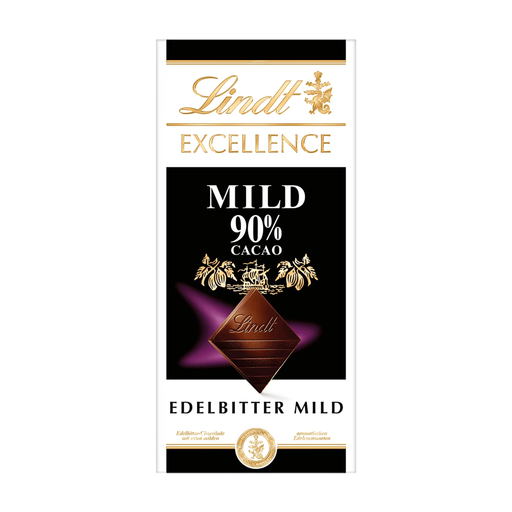
Why this product is a good fit: Ideal for connoisseurs seeking an intense and pure cacao experience. The very high cacao content is complemented by a fine melt and a balanced, not overly bitter, aroma, indicating high-quality processing.
Debunks the high-cacao fallacy. The 90% cacao here doesn't lead to unpleasant bitterness but to a deep, complex flavour. The ingredients list is short and precise.
Very low sugar content of just 7g per 100g. A clear focus on pure cacao flavour.

Why this product is a good fit: For those who appreciate the pleasure of dark chocolate but want to avoid added sugar. This bar offers a full-bodied flavour with 55% cacao, sweetened with the sugar substitute maltitol.
Directly addresses the problem of hidden sugar. The "chocolate with no added sugar" label is transparent, and the ingredients list specifies maltitol as the sweetener.
Contains only 1g of sugar per 100g according to the nutritional information. Gluten-free recipe.
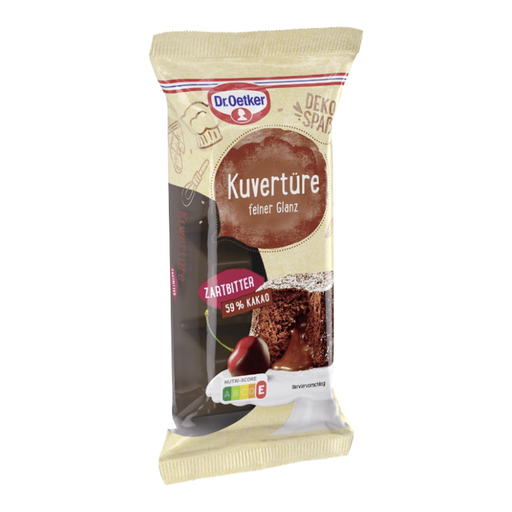
Why this product is a good fit: This couverture is specially developed for use in the kitchen. It is suitable for coating pastries, making mousse, or grating, and delivers reliable results with a professional gloss.
Avoids the problem of using an unsuitable chocolate bar for baking. As a dark baking chocolate (couverture), it is optimised for melting and ensures a smooth, glossy finish.
High cacao content of at least 59%. The special formula makes it easy to melt in a water bath and process further.
We've curated a complete, up-to-date list of products that meet our strict selection criteria.
1. What does the cacao percentage in dark chocolate really mean? The cacao content indicates the percentage of all ingredients derived from the cacao bean (cacao mass and cocoa butter) in the final product. A higher percentage usually means a more intense cacao flavour and less sugar. However, it is not the sole guarantee of quality, as the origin and processing of the beans are also crucial for the aroma.
2. How should you store a dark chocolate bar correctly to keep it fresh? Dark chocolate should be stored in a cool, dry, and dark place at a temperature between 15 and 18°C (59-64°F). The refrigerator is unsuitable, as the moisture can cause a greyish film (sugar bloom) to form, and the chocolate can absorb foreign odours. It's best to keep an opened bar in its original packaging or in an airtight container.
3. Can you use any dark chocolate for baking? Theoretically, yes, but the results can vary. Special dark baking chocolate or couverture usually contains a higher proportion of cocoa butter. This allows it to melt more evenly and results in a firmer snap and a more beautiful gloss after cooling, making it ideal for coatings and decorations. Regular eating chocolate can remain thicker when melted or form a dull coating.