
Lieferung heute & morgen

Qualitätsgarantie

Willkommens-Angebote freischalten: KOSTENLOSE Lieferung | Bis zu 80 % RABATT | Kostenlose 30-Tage-JoyPlus-Testphase
App herunterladen
The selection of dark chocolate on the shelf or online can be overwhelming. With labels like "70%", "85%", or "semi-sweet," it's not always easy to find the bar that suits your personal taste. This article serves as a guide, presenting objective criteria to help you make an informed decision the next time you want to buy dark chocolate.
To find the right chocolate, a basic understanding of its properties is helpful. The following points provide a factual basis for your selection.
The cacao percentage is the defining characteristic of dark chocolate. It indicates the proportion of cacao components (cacao mass and cacao butter) in the product.
A short ingredients list is often an indicator of a high-quality product. The essential components of good dark chocolate are cacao mass, sugar, cacao butter, and possibly an emulsifier like lecithin.
Pay special attention to products labelled as vegan dark chocolate if you avoid animal-based ingredients. Traditionally, dark chocolate does not contain milk, but some manufacturers add milk fat for a creamier texture, or cross-contamination can occur. An explicit label provides clarity here.
Beyond pure chocolate, there are numerous varieties enhanced with other ingredients. Chocolate with nuts, sea salt, fruits, or spices offers additional layers of flavour and texture. Products like Tony's Chocolonely vegan with almonds and sea salt combine the bitter cacao note with salty and nutty accents.
Based on different flavour profiles and characteristics, we have compiled a selection of products that cater to various preferences.
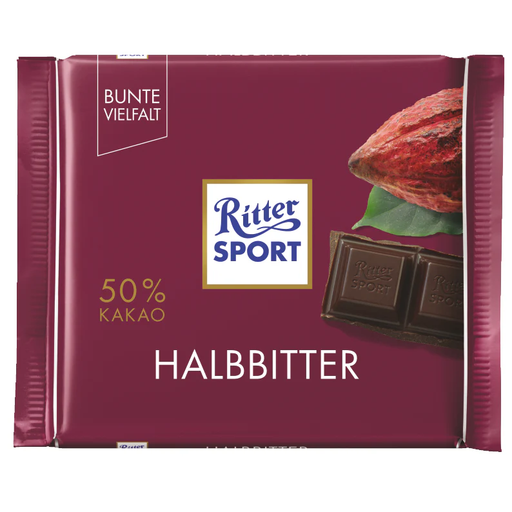
This bar is a classic in the semi-sweet chocolate segment and serves as a great entry point into the world of darker varieties.
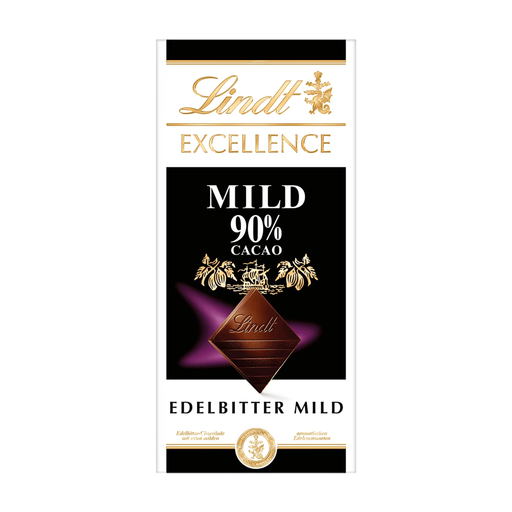
This chocolate is aimed at lovers of a very strong and pure cacao flavour.
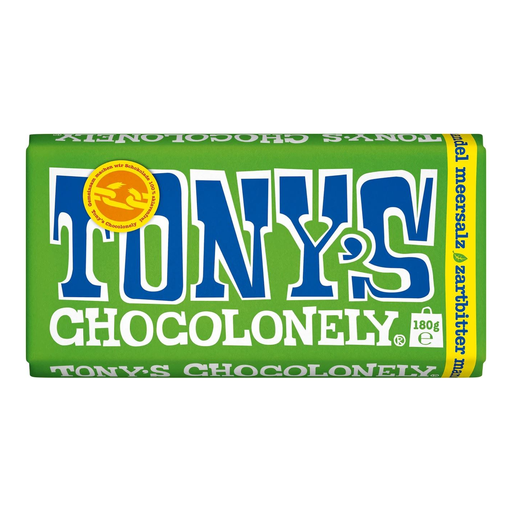
This variety combines dark chocolate with additional flavour and texture components and is explicitly declared vegan.
The world of dark chocolate is diverse. If the products presented here don't exactly match what you're looking for, or if you're curious about other varieties, you'll find a wider selection in our comprehensive category. There, you can conveniently order chocolate online and compare different brands, cacao percentages, and flavour variations.
Discover Our Entire Range of Dark Chocolate
The cacao percentage indicates the proportion of cacao solids (a combination of cacao mass and cacao butter) to the total weight of the chocolate. A higher percentage generally results in a more intense, bitter cacao flavour and a lower sugar content.
Not necessarily. Although the basic recipe for dark chocolate (cacao mass, cacao butter, sugar) contains no animal products, some manufacturers add milk fat, or traces of milk can be present due to the production process. For a safe choice, you should look for an explicit "vegan" label on the packaging or in the product description.
Dark chocolate should be stored in a cool, dry place at a constant temperature between 15 and 18°C (59-64°F). Avoid direct sunlight, strong odours, and the refrigerator. The moisture in the fridge can lead to a greyish coating (sugar bloom), which, while harmless, can affect the texture and taste.