
Lieferung heute & morgen

Qualitätsgarantie

Willkommens-Angebote freischalten: KOSTENLOSE Lieferung | Bis zu 80 % RABATT | Kostenlose 30-Tage-JoyPlus-Testphase
App herunterladen
If you’re looking to buy dark chocolate, you’ll find plenty of options online, from milder varieties with 50 or 60% cocoa to extra-dark chocolate with 85 or 90%. There are also different fillings, nuts, sweeteners and pack sizes to consider. But a high cocoa content alone doesn’t tell you whether a bar will suit your taste or how you plan to use it.
The following criteria can help you look beyond the marketing claims and choose the right dark chocolate bar.
The claim ‘60% cocoa’ often refers to the dark chocolate component. In filled products, a sizeable proportion may be made up of cream, nougat or fruit filling. For example, the Lindt LINDOR Bar 60% has a smooth filling. Here, the cocoa content describes the dark chocolate, not the entire recipe.
For a particularly pronounced cocoa flavour, unfilled bars with a clearly stated cocoa content, such as 85 or 90%, are usually a good choice.
Products such as dark chocolate with no added sugar often contain sweeteners. According to the product information, Lindt No Added Sugar Dark Chocolate is sweetened with maltitol and contains at least 55% cocoa. Chocodate uses dates as well as sweeteners E965, E967 and E960a.
So if you’re looking to reduce your sugar intake, always check the full ingredients list and nutrition table. ‘No added sugar’ doesn’t mean a product is completely sugar-free or low in calories.
Dark chocolate isn’t automatically free from milk, soya or nuts. Even when these ingredients aren’t included directly, a statement such as ‘May contain traces of…’ can alert you to possible cross-contamination during production. If you have an allergy or intolerance, always check the labelling on the relevant packaging.
Cocoa content is a useful starting point when comparing products:
The term extra-dark chocolate is commonly used to suggest a more intense dark chocolate, but it’s no substitute for checking the actual cocoa content. In filled bars, fruit, caramel, mint or nougat can significantly alter the flavour.
In a classic chocolate bar, cocoa mass, sugar and cocoa butter form the base. Additional ingredients such as milk fat, vanilla, palm fat, fruit purée or nuts affect the texture and nutritional values.
In particular, compare:
According to the product information, Lindt Excellence 85% Mild contains at least 85% cocoa and 14g of sugar per 100g. Lindt Excellence 90% is listed as containing at least 90% cocoa and 7g of sugar per 100g. These figures apply to the specific products, so check them against the latest packaging before buying.
A 70g or 100g bar is ideal for enjoying on your own. 150g packs with nuts or fruit filling are a good choice if you’re sharing with others. Multipacks can offer better value if you buy regularly or bake with chocolate, as long as the flavour, best-before date and storage space all work for you.
Product information usually recommends storing chocolate in a cool, dry place, away from direct sunlight, moisture and strong odours. Keeping it at a steady room temperature can help prevent changes to its appearance and flavour.
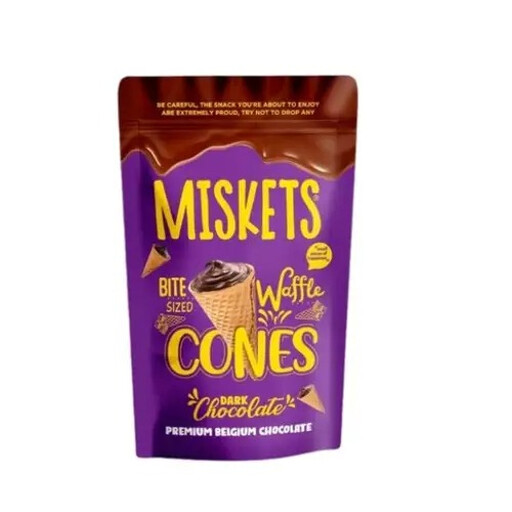
Why this product suits this profile: The 70g pack offers an easy way to try dark chocolate, with cocoa ingredients listed as cocoa mass and cocoa powder.
The product details list the ingredients, allergy advice and nutritional values per 100g, so you can make an informed choice before buying.
70g, a dark chocolate flavour and a handy Cornet shape. According to the product information, it may contain milk, soya and nuts.
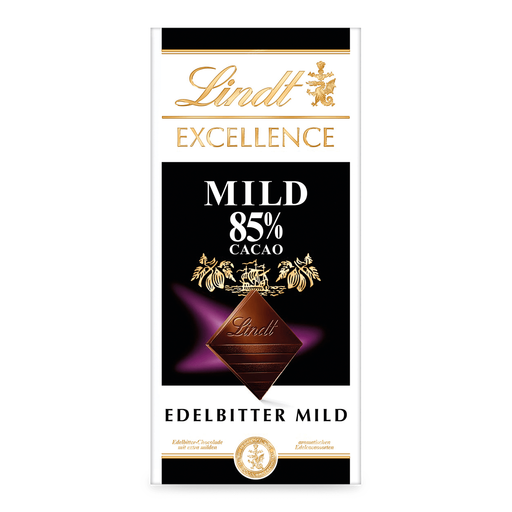
Why this product suits this profile: This bar is a good choice if you’re looking for an unfilled recipe with a clearly stated cocoa content of at least 85%.
The cocoa content applies to the bar, which has no fruit, cream or nougat filling. The ingredients and possible traces of nuts, milk and soya are also listed.
100g, at least 85% cocoa and, according to the product information, 14g of sugar per 100g.
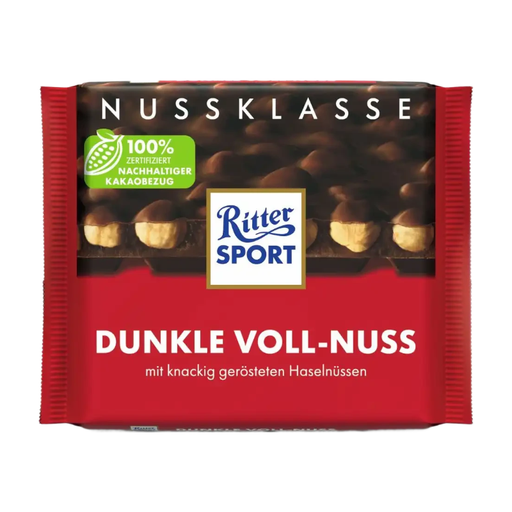
Why this product suits this profile: The combination of dark chocolate and whole roasted hazelnuts is ideal if you enjoy a bit of crunch and texture alongside cocoa flavours.
The hazelnut content is listed as 25%; the chocolate itself is stated to contain at least 50% cocoa.
A 100g bar with 25% hazelnuts, divided into handy square pieces. According to the product information, it contains hazelnuts, milk and soya.
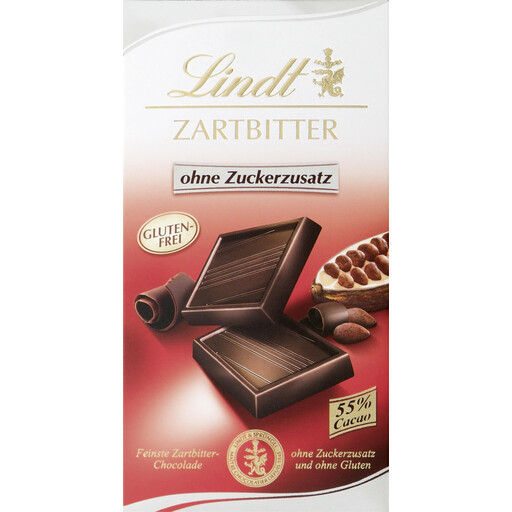
Why this product suits this profile: This bar may appeal if you’re specifically looking for dark chocolate with no added sugar and want to take sweeteners into account when checking the ingredients.
The product description explicitly lists maltitol as a sweetener and states that the bar contains at least 55% cocoa. This makes it easy to distinguish the recipe from a bar containing sugar.
100g, at least 55% cocoa and, according to the product information, 1g of sugar per 100g. Contains milk and soya.
We’ve put together a complete, regularly updated list of products that meet these strict selection criteria and fully comply with the safety regulations in force in the EU.
Bars with at least 85% cocoa usually contain less sugar and have a bolder flavour than varieties with 50 to 60%. Your own perception of the flavour also depends on the beans’ origin, roasting, recipe and format.
No. A higher cocoa content often means less sugar, but it’s no guarantee. The nutrition table per 100g is what matters. Filled dark chocolate can contain significantly more sugar, even when it has a stated cocoa content.
Keep the bar well wrapped in a dry place, away from heat, light and strong odours. Always follow the best-before date and the specific storage instructions on the packaging.