For deeply coloured cookies, choose dark or bittersweet chocolate to suit the recipe. If you want the dough to have a strong cocoa flavour too, consider a recipe that also uses baking cocoa. When baking with children, it’s also important to keep the steps manageable and supervise them around the oven, hot baking trays and melted chocolate. If allergens are a concern, always check the label on every product you actually use.
Which recipes are right for you?
Families looking for a rich chocolate flavour
If you want dark chocolate to stand out in your cookies, recipes that specifically call for dark or bittersweet chocolate are a good place to start. One REWE recipe uses bittersweet chocolate with at least 70 % cocoa; another combines dark chocolate with baking cocoa. The cocoa percentage alone won’t tell you whether children will enjoy the result.
Families who need to check for allergens
If you need to avoid certain ingredients because of allergies, check the packaging of the chocolate, cocoa and any other baking ingredients individually. As the Federal Ministry of Agriculture, Food and Regional Identity explains, allergens must be highlighted in the ingredients list on prepacked foods.
Families with young baking helpers
Depending on their age, children can help with suitable tasks that don’t involve heat. Using the oven and hot baking trays, and melting chocolate, should be done by an adult or under their direct supervision. The German Federal Institute for Risk Assessment also advises against eating raw biscuit dough.
What should you look for when shopping?
When making dark chocolate cookies with children, choose a recipe first, then buy the type of chocolate or cocoa it calls for. The priorities below reflect the needs of shoppers choosing ingredients, with each person’s main concern taking precedence.
| Priority | What to check when buying | Who it matters to |
|---|
| Dark chocolate flavour |
Does the recipe call for dark chocolate chunks, bittersweet chocolate, couverture or baking cocoa? One REWE recipe calls for bittersweet chocolate with at least 70 % cocoa for chocolate and walnut cookies. |
If you want the cookies to have a pronounced dark chocolate flavour, choosing an ingredient that suits the recipe matters more than the colour of the packaging; around 36 % of shoppers put this flavour preference first. |
| Easy for children to help |
How many steps does the recipe involve, and does it give baking and cooling times? |
If you want to give children jobs such as mixing the dough and shaping the cookies, look for steps that are easy to share. Around 29 % of shoppers prioritise straightforward preparation. |
| Allergens and ingredients |
Check the ingredients list and highlighted allergens on every pack. If the recipe includes walnuts or macadamias, check those ingredients too. |
If you need to avoid certain ingredients at home, checking every baking ingredient comes first; for around 21 % of shoppers, this is their main purchasing priority. |
| A safe baking process |
Can you follow the recipe without tasting raw dough, and can adults take care of the hot steps? |
When baking with younger children, I want to plan their involvement so that nobody eats raw dough or touches a hot baking tray. Around 14 % of shoppers put a safe baking process first. |
What can go wrong when choosing ingredients?
-
Swapping chocolate and baking cocoa at will
Chocolate chunks, couverture and cocoa powder each serve a different purpose in a recipe. REWE’s Double Chocolate recipe, for example, uses both cocoa powder and dark chocolate.
Buy the specific type of ingredient listed, rather than choosing based on dark-coloured packaging alone.
-
Assuming dark or vegan chocolate is allergen-free
Neither the colour nor a general product description is a substitute for checking the exact ingredients. Chocolate cookie recipes may also call for nuts.
Before shopping, check the ingredients lists and allergen information for all the products you need, as well as the full recipe.
-
Baking soft cookies for longer straight away
Cookies may still be soft when you take them out of the oven, and firm up as they cool. REWE notes this for its cup-measure Chocolate Chip Cookies recipe.
Follow the stated baking time for this recipe and check how firm the cookies are after they have cooled as directed.
-
Planning to snack on raw dough
The German Federal Institute for Risk Assessment advises against eating raw biscuit dough, especially for young children.
Don’t let anyone taste the dough, and wash your hands and clean work surfaces and utensils after handling flour.
Brands and shopping options to help you choose
Bahlsen
A place to look for ready-made biscuits and wafers with dark chocolate, rather than ingredients for homemade cookies.
- Bahlsen makes Chokini with fine dark chocolate pieces, as well as other biscuits featuring fine dark chocolate.
- You’ll need to choose the chocolate or cocoa required by your baking recipe separately.
REWE
A recipe-led way to decide which ingredients you need before you shop.
- REWE recipes call for ingredients including dark chocolate couverture and baking cocoa, as well as bittersweet chocolate with at least 70 % cocoa for chocolate and walnut cookies.
- Check the ingredients and allergen information on the packs you actually buy; a recipe doesn’t specify the properties of individual products.
EDEKA
A useful guide to the names used for different types of chocolate.
- EDEKA explains how milk, dark and bittersweet chocolate are categorised by cocoa content.
- For cookies, what matters is the type of chocolate and cocoa percentage required by the recipe you choose.
Lidl
A recipe option for chocolate cookies and cookies with chocolate chunks.
- Lidl Kochen publishes recipes for chocolate cookies and chocolate chunk cookies, with ingredients and preparation steps.
- Choose specific baking ingredients based on the recipe and the information on their packaging.
ALDI
A place to look for dark chocolate bars when a recipe calls for chopped chocolate.
- ALDI SÜD lists MOSER ROTH dark chocolate bars with 70 %, 85 % and 90 % cocoa.
- A chocolate bar isn’t automatically a substitute for baking cocoa or couverture; check the flavour and allergen information for each variety.
Gullón
A point of comparison for ready-made chocolate biscuits, rather than ingredients for baking cookies.
- Gullón describes chocolate biscuits and chocolate wafers in its own range.
- These ready-made baked goods don’t indicate which dark chocolate ingredient would suit a recipe.
Ingredients for dark chocolate cookies at Joybuy
This selection includes dark chocolate chunks, chocolate bars and baking cocoa. The right choice depends on the cookie recipe you’ve picked; a chocolate bar isn’t a substitute for baking cocoa or couverture simply because of its cocoa content.
 No image available
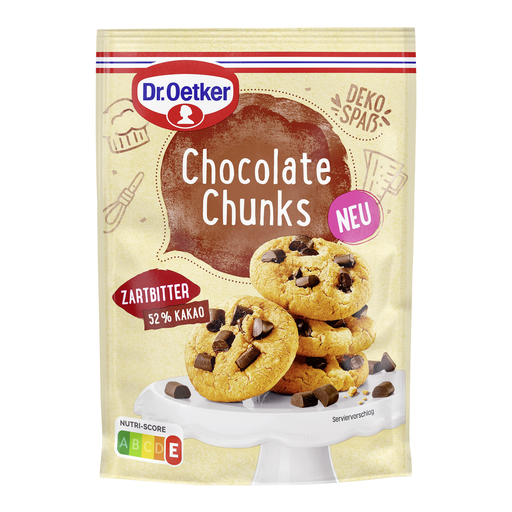
Dr. Oetker dark baking chocolate chunks, 100 g
For cookie recipes that call for dark chocolate chunks. If a particular cocoa percentage matters or you need to consider allergens, check the packaging.
View at Joybuy
 No image available
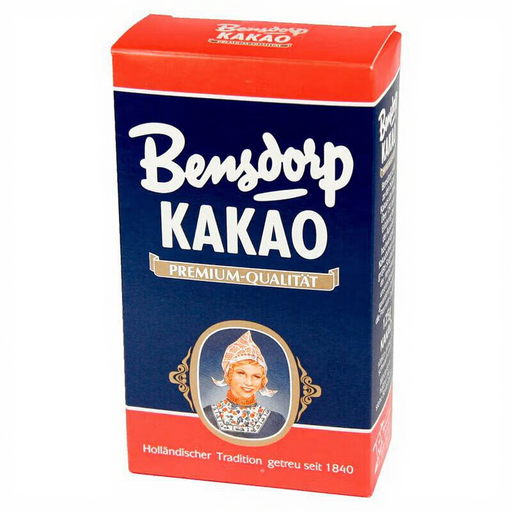
Bensdorp pure baking cocoa, 125 g
For cookie recipes that call for cocoa powder in the dough. It won’t replace the chocolate chunks in a chunky cookie recipe, so follow the quantity given in the recipe.
View at Joybuy
 No image available
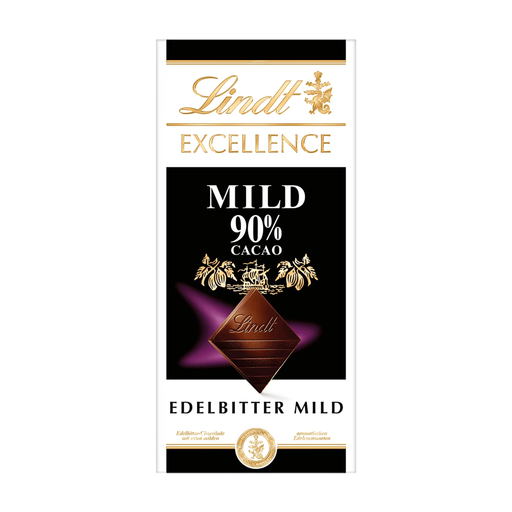
Lindt Excellence 90 % Cocoa, 100 g
A chocolate bar for recipes where chopped dark chocolate is suitable. Its 90 % cocoa content doesn’t mean it’s especially suitable for baking or that children will prefer its flavour; check the allergen information too, if needed.
View at Joybuy
 No image available
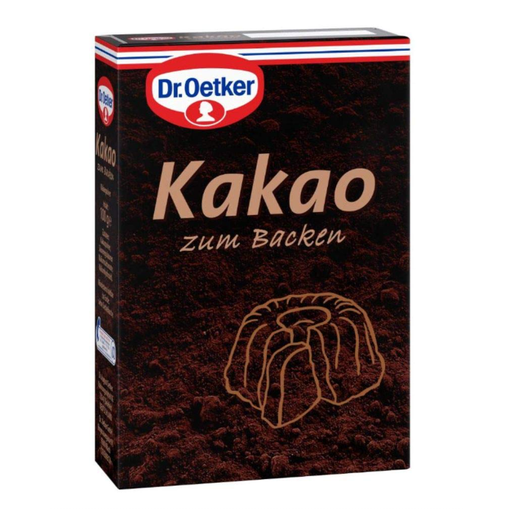
Dr. Oetker pure baking cocoa, 100 g
For cookie dough made to a recipe that calls for baking cocoa, not as a direct replacement for chocolate chunks. Check the packaging if the recipe specifies a particular cocoa percentage or allergens are a concern.
View at Joybuy
 No image available
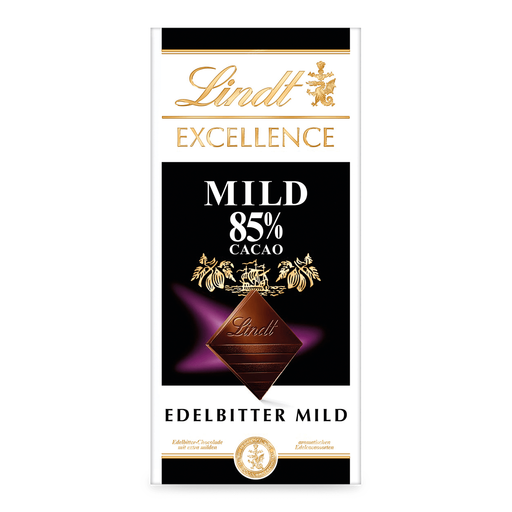
Lindt Excellence Mild, 85 % Cocoa, 100 g
A dark chocolate bar for recipes that call for a bar to be used. The name “Mild” doesn’t mean children will enjoy this variety, nor does it indicate that it’s especially suitable for baking. If allergies are a concern, check the packaging.
View at Joybuy
Frequently asked questions
How can I identify allergens in chocolate and baking ingredients?
Check the ingredients list and highlighted allergens on every prepacked ingredient. The Federal Ministry of Agriculture, Food and Regional Identity and the European Union explain the rules on labelling ingredients that can cause allergies; neither “dark” nor a cocoa percentage is a substitute for checking the label.
Can children taste raw cookie dough?
No, raw biscuit dough shouldn’t be eaten. The German Federal Institute for Risk Assessment advises against it, particularly for young children. After working with flour, wash your hands and clean work surfaces and utensils too.
Which baking steps should adults take care of?
Adults should handle the oven and hot baking trays, and supervise when chocolate is being melted. Official child health guidance identifies hobs and ovens as sources of burns and scalds; depending on their age, children can be given separate tasks that don’t involve heat.
Does a higher cocoa percentage automatically make chocolate a better choice for children?
No. The cocoa percentage alone tells you neither what flavours children will enjoy nor whether a recipe is suitable for baking together. If the recipe specifies a minimum percentage, follow it. Otherwise, choose the type of chocolate and ingredients to suit the recipe you want to make, and check the packaging.


