
Lieferung heute & morgen

Qualitätsgarantie

Willkommens-Angebote freischalten: KOSTENLOSE Lieferung | Bis zu 80 % RABATT | Kostenlose 30-Tage-JoyPlus-Testphase
App herunterladen
The world of spirits is vast, and finding the right dark rum can be a challenge. Many are searching for a spirit that can be savoured neat, offering more than just an alcoholic base for cocktails. This guide is designed to help you understand the characteristics of a high-quality dark rum and make an informed decision, whether for your own enjoyment or as a sophisticated rum gift.
Before you buy a premium rum, a few fundamental criteria can simplify your selection. Pay attention to the following aspects to find a bottle that matches your taste preferences.
The geographical origin significantly shapes a rum's character.
The ageing process is crucial for developing colour and flavour. An aged rum spends several years in wooden casks, usually made of oak. During this time, it absorbs flavours from the wood, which can range from vanilla and caramel to tobacco and leather. A longer maturation period generally leads to a more complex and smoother flavour profile, making it an ideal sipping rum. Terms like "A?ejo" (Spanish for "aged") or a specific age statement indicate the length of maturation.
Dark rums cover a wide spectrum of flavours. Some develop their sweet notes exclusively through cask maturation, while others, particularly in the modern style, are known for a more pronounced sweet profile. A sweet rum is often more approachable for beginners and is characterised by intense notes of candied fruit, vanilla, or toffee. Whether you prefer a dry, spicy, or distinctly sweet flavour profile is a matter of personal preference.
Here, we present three dark rums with distinct characteristics, each well-suited for sipping neat.
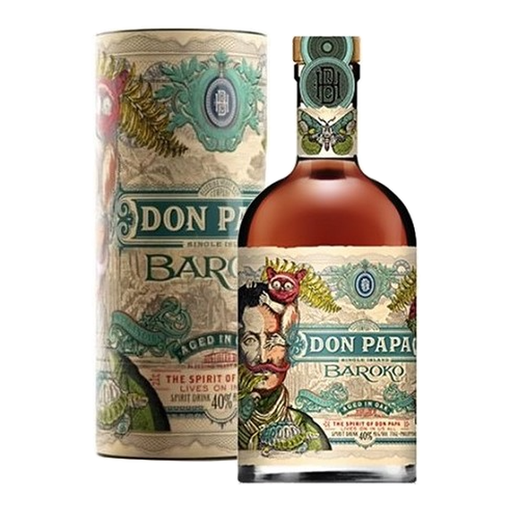
Why It Stands Out:Don Papa Baroko hails from the Philippine island of Negros and is renowned for its distinctly fruity and sweet flavour profile. It is distilled from molasses, known as "black gold," and aged at the foot of Mount Kanlaon. Its character makes it a very approachable premium rum.
Tasting Profile:
Who It's For: This rum is an excellent choice for lovers of distinctly sweet and fruity spirits. It's perfect for newcomers to the world of premium rum or as a base for opulent cocktails.
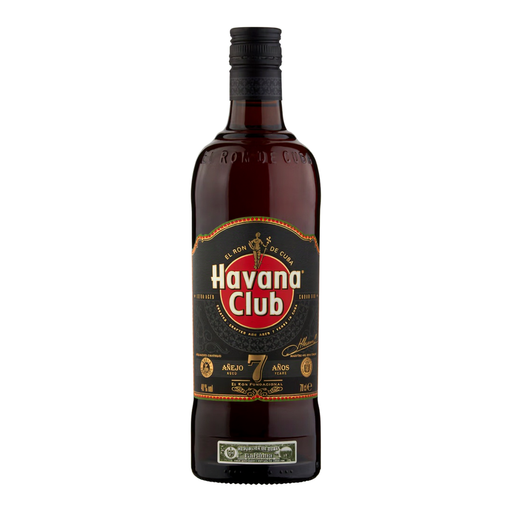
Why It Stands Out:Havana Club 7 is a symbol of Cuban rum tradition. Aged for at least seven years in oak casks, it represents the complex and balanced Cuban style. It is considered a benchmark for high-quality aged rum and is appreciated by connoisseurs worldwide.
Tasting Profile:
Who It's For: Ideal for rum enthusiasts looking for a classic, balanced, and not overly sweet sipping rum. Its complexity makes it a favourite for purists and an excellent base for classic cocktails like the Old Fashioned.
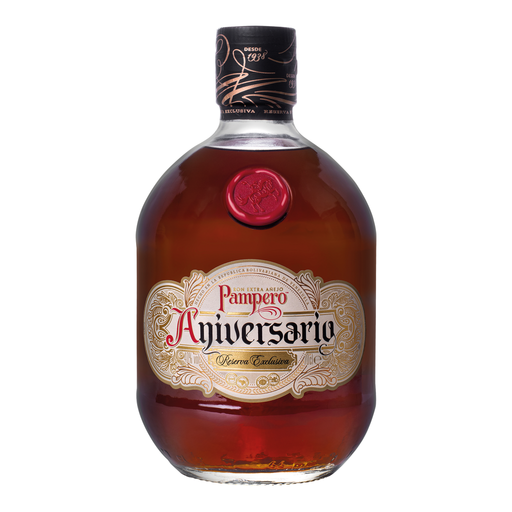
Why It Stands Out: This Venezuelan rum was created in 1963 to celebrate the 25th anniversary of the Pampero brand. Its unique character comes from being aged in former sherry and bourbon casks, which gives it remarkable depth and complexity. Bottled in a distinctive leather pouch, it is also a visual highlight and a popular rum gift.
Tasting Profile:
Who It's For: This rum is aimed at connoisseurs who appreciate a heavy, rich, and complex flavour. Its multifaceted nature makes it an excellent sipping rum for special moments.
The world of rum is diverse, offering the perfect product for every palate. If the profiles presented here don't quite match what you're looking for, or if you're simply curious about other styles and countries of origin, you can find a wider selection in our main category.
Explore Our Entire Range of Rum Spirits Here
The main difference lies in the ageing process. Light rum (also called white or clear rum) is typically aged for a short time, if at all, in casks and is often filtered to remove any colour. It is lighter in taste and primarily used for cocktails like the Mojito or Daiquiri. Dark rum, on the other hand, matures for several years in wooden casks, which gives it its dark colour and a complex flavour profile with notes of caramel, vanilla, oak, and spices.
A high-quality dark rum is often enjoyed neat at room temperature or with a large ice cube ("on the rocks"). A nosing glass, similar to a whisky glass, helps to concentrate the aromas. Allow the rum a few minutes in the glass for its bouquet to unfold. A few drops of water can also help to release certain flavour nuances.
No, the sweetness of a rum is not a sole indicator of quality. A sweet rum can be created by adding sugar or caramel colouring, a common practice in many producing countries to achieve a consistent and approachable flavour profile. Other rums develop their sweet notes exclusively through long maturation in specific casks. Quality depends on the harmony of the flavours, the complexity, and the balance of the final product, not on the sugar content alone.