
Lieferung heute & morgen

Qualitätsgarantie

Willkommens-Angebote freischalten: KOSTENLOSE Lieferung | Bis zu 80 % RABATT | Kostenlose 30-Tage-JoyPlus-Testphase
App herunterladen
Dark spots, post-acne marks and an uneven skin tone can have many causes. When choosing a dark spot cream, it’s not just about a flashy marketing term on the packaging. What really matters are the active ingredient groups, how well your skin tolerates them, and a skincare routine you can stick with long term.
A percentage figure can look convincing at first glance. However, it doesn’t automatically tell you how well a product will suit your skin. A niacinamide cream with 5%, for example, can be formulated very differently from a cream with a lower concentration but lots of added acids or fragrances. If you have sensitive skin, it’s worth checking the full INCI list.
Terms like Brightening Cream, “Glow” or “lightening face cream” often describe the cosmetic focus of a product. They are not proof of an instant or permanent change to dark spots. Visible improvements to the skin usually require regular use over a longer period. What’s more, UV exposure and repeated skin irritation can encourage the formation of visible discolouration.
Products designed for individual blemishes or red patches aren’t automatically meant for widespread use. A spot cream can have a different texture and active ingredient combination compared to a daily face cream. So always check whether the manufacturer recommends applying it just to the spots or to the face and neck.
A cream for dark spots often contains the following ingredients:
Terms like “lighten dark spots” and treat hyperpigmentation should be understood realistically when it comes to cosmetics. A cream can improve the appearance of the skin, but it doesn’t replace a dermatologist’s assessment. New, fast-growing or changing spots should always be checked by a doctor.
Sensitive skin may react to fragrances, essential oils, alcohol or several active ingredients in one formula. For example, the Medik8 C-Tetra Cream lists fragrance components and declared fragrance allergens such as Limonene, Linalool and Citral. The Collistar Futura Cream contains perfume. That doesn’t make these products unsuitable, but it is an important point of comparison.
With products containing vitamin C derivatives, salicylic acid or alpha-hydroxy acids, it’s advisable to use a broad-spectrum sunscreen during the day. Sun protection isn’t an optional extra if you’re aiming for a more even-looking complexion. Always test new products on a small area of skin first, and stop using them if you experience persistent redness, burning or itching.
A 20 ml tube for spot treatment can be more economical than a small face cream if you’re only using it locally. For the face and neck, 30 to 70 ml is often more practical. Dry skin usually benefits from a richer cream with glycerin, hyaluronic acid or ceramides; if you have oily or blemish-prone skin, a lighter gel-cream may feel more comfortable.
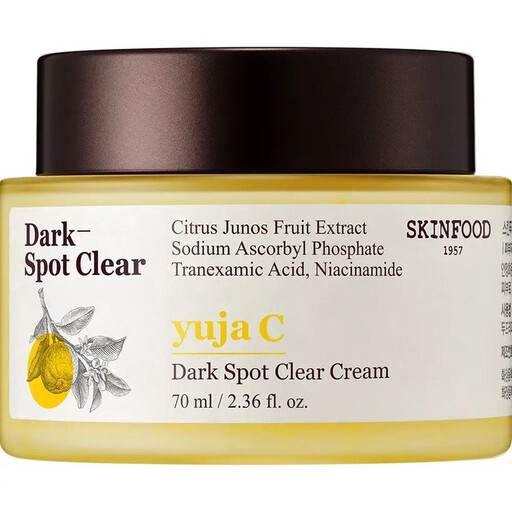
Why this product suits the profile: The 70 ml size is ideal for regular face and neck care. According to the INCI list, the formula contains niacinamide, glycerin, panthenol, allantoin, sodium hyaluronate and ascorbyl glucoside.
The product description lists specific hydrators and a light texture rather than just a vague glow promise. Always check the current packaging information before buying.
Large volume, moisturising components and several commonly used brightening ingredients all in one cream.
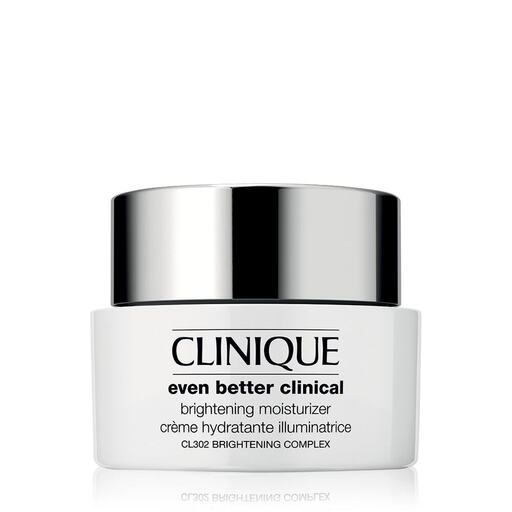
Why this product suits the profile: According to the product information, the formula is fragrance-free and contains ascorbyl glucoside, acetyl glucosamine, sodium hyaluronate and soothing plant extracts.
The product information lists the active ingredients and application for face and neck. Still, check the INCI list and skin tolerance before daily use.
50 ml cream with moisturising care, a vitamin C derivative and a fragrance-free formula according to the product description.
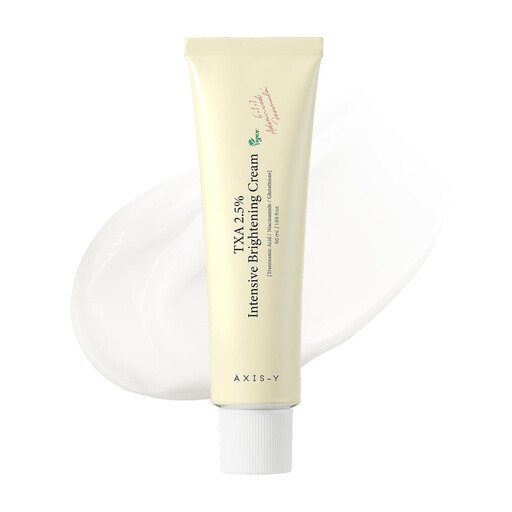
Why this product suits the profile: This cream is aimed at those who want to incorporate tranexamic acid into their routine. The stated formula also contains niacinamide, panthenol, ceramide NP and several forms of hyaluronic acid.
The 2.5% concentration of tranexamic acid is clearly stated in the product information. This makes it easier to compare objectively with other formulations.
Tranexamic acid, niacinamide and ceramide NP in a 50 ml cream; intended for daily use with sun protection.
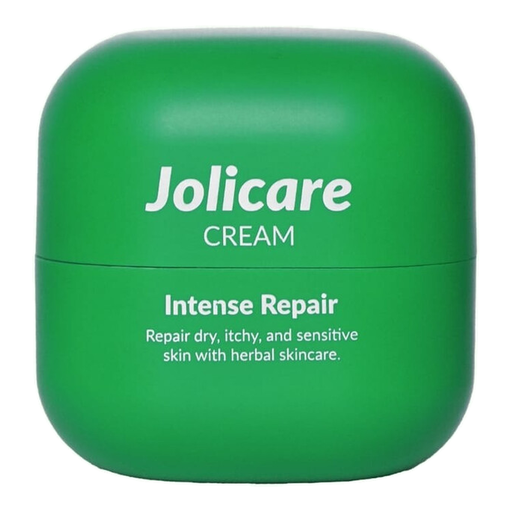
Why this product suits the profile: According to the usage instructions, the 20 ml tube is designed for direct application to individual affected areas. The INCI list includes centella asiatica extract, niacinamide, calamine and tea tree leaf extract.
The intended spot application prevents a small spot cream from being mistaken for a full-face cream.
Compact 20 ml size and clear spot-use instruction; suitable for individual problem areas rather than daily full-face care.
We’ve put together a complete, regularly updated list of products that fully meet these strict selection criteria and the safety regulations in force in the EU.
First, cleanse your skin gently. Then apply serum and cream in the order recommended by the manufacturer. In the morning, follow up with a suitable sunscreen. Introduce new products one at a time so you can better identify any reactions.
The best-before date, the printed batch code and the PAO symbol (e.g. “12M” for twelve months after opening) are what matter. Store the cream according to the manufacturer’s instructions, ideally in a dry, cool place away from direct sunlight. If the colour changes, the smell seems unusual or the texture alters noticeably, it’s best to stop using the product.
The price depends on factors such as ingredients, fill volume, packaging and brand. So don’t just compare the pack price – also compare the price per 10 ml and the intended area of use. A 20 ml spot cream may go further when used on specific spots than a small cream applied all over the face every day.