
Lieferung heute & morgen

Qualitätsgarantie

Willkommens-Angebote freischalten: KOSTENLOSE Lieferung | Bis zu 80 % RABATT | Kostenlose 30-Tage-JoyPlus-Testphase
App herunterladen
An uneven skin tone and dark spots, medically known as hyperpigmentation, are a common skin concern. Consequently, the market for brightening serums is vast and overwhelming. Many products promise rapid results, but these exaggerated marketing claims often lead to disappointment and wasted money. As your Joybuy Product Recommendation Officer, I'm here to help you identify the common pitfalls and make an informed decision.
This guide focuses on the objective criteria that define an effective serum for dark spots and shows you what to look for before you buy.
Before we turn to the solutions, it's important to understand the most common marketing traps that often lead to purchase mistakes.
To find the right product, you should focus on verifiable facts. The following three parameters are crucial for selecting an effective serum for hyperpigmentation.
A well-formulated brightening serum relies on the synergy of multiple active ingredients that target different stages of the pigmentation pathway. Look for formulations that combine several of these ingredients:
The best active ingredients are ineffective if they degrade when exposed to light and air before they even reach your skin. This is especially true for highly sensitive ingredients like Vitamin C and retinoids.
Therefore, look for opaque packaging (e.g., tinted glass or opaque bottles) and, ideally, a pump dispenser or an airtight tube. These types of packaging minimise contact with oxygen and UV radiation, preserving the efficacy of the formulation.
Any serum for hyperpigmentation can only achieve its full potential if the skin is protected from UV radiation daily. UV light is the primary trigger for melanin production. Without daily broad-spectrum protection (at least SPF 30), you're working against your own efforts and risk developing new dark spots. A face serum for radiant skin and sunscreen are an inseparable duo.
Based on the criteria above, we have identified a few products suitable for different needs and experience levels.
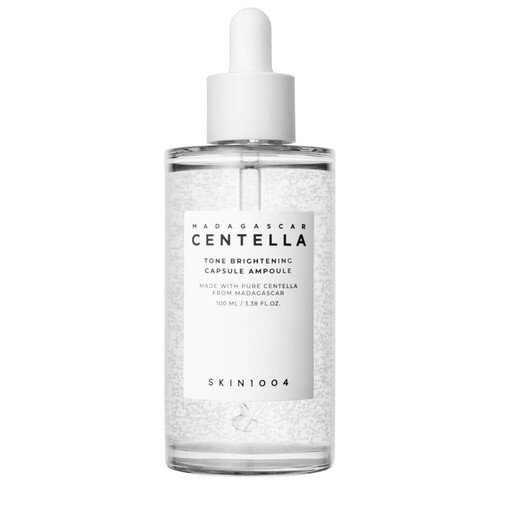
Why This Fits Their Persona: Ideal for those new to the world of brightening actives. The formula combines moderate concentrations of niacinamide and tranexamic acid with soothing Centella Asiatica extract to minimise the risk of irritation.
It bypasses the potential irritant trap with a soothing base and avoids aggressive single ingredients. Instead, it relies on a synergistic, gentle blend.
Combines brightening (Niacinamide, Tranexamic Acid) with intense hydration and soothing (Centella Asiatica). The lightweight texture absorbs quickly.
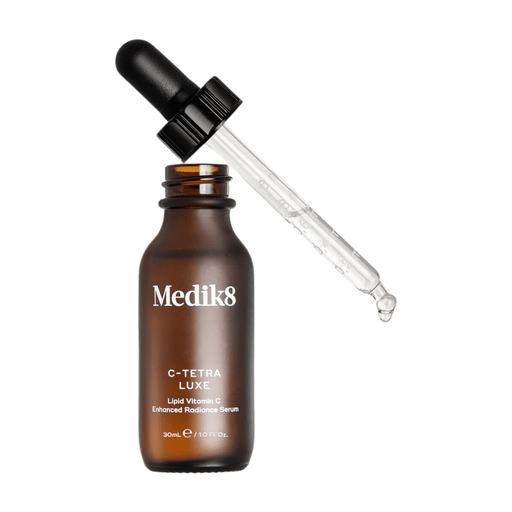
Why This Fits Their Persona: For users seeking a high-quality, stable vitamin C serum for their morning routine to provide antioxidant protection and a visible glow. Especially suitable for normal to dry skin.
This serum avoids the stability trap by using Tetrahexyldecyl Ascorbate, a lipid-soluble and highly stable form of Vitamin C. The nourishing oil base also helps prevent irritation.
A highly effective, stable Vitamin C derivative in a nourishing, non-greasy formulation with Squalane and Jojoba Oil. Delivers a radiant complexion (Glow Serum).
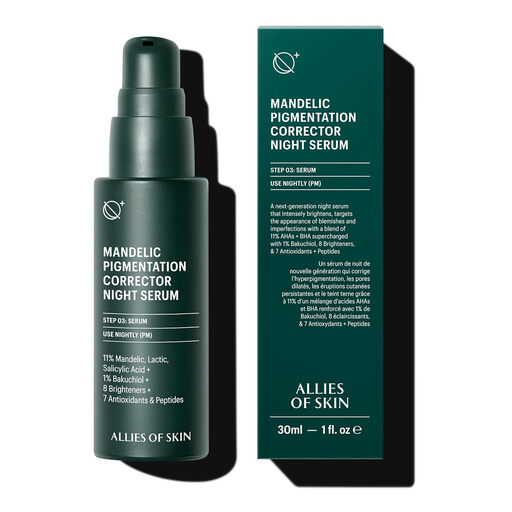
Why This Fits Their Persona: For experienced skincare users looking for a high-performance night treatment to accelerate cell turnover and specifically target stubborn pigmentation.
This product bypasses the unrealistic claims trap by being designed as a night serum that targets a long-term, consistent process of skin renewal. Its complex formula demonstrates there is no single miracle solution.
A potent blend of 11% Mandelic, Lactic, and Salicylic Acids, combined with Bakuchiol, Niacinamide, and Hyaluronic Acid. It exfoliates, brightens, and nourishes simultaneously.
We have compiled a complete, up-to-date list of products that fully meet these strict selection criteria and all applicable safety regulations.
1. How long does it take for a dark spot serum to work? Visible improvement in hyperpigmentation requires patience. With consistent daily use (including sunscreen), initial results can become visible after about 8 to 12 weeks. The exact timeframe depends on the type and depth of the pigmentation, the active ingredients used, and your individual skin condition.
2. Can I use Vitamin C and Niacinamide together in my routine? Yes, the old belief that these two ingredients should not be combined is now considered outdated for modern, stabilised formulations. In fact, they can complement each other well: Vitamin C provides antioxidant protection, while Niacinamide strengthens the skin barrier and can improve the tolerability of other active ingredients.
3. Do I still need to use a brightening serum and sunscreen in the winter? Absolutely. UVA rays, which are a major contributor to skin ageing and pigmentation, can penetrate clouds and window glass, and are present all year round. To maintain the results from your serum and prevent new dark spots from forming, daily use of broad-spectrum sunscreen is essential, even during the winter months.