
Lieferung heute & morgen

Qualitätsgarantie

Willkommens-Angebote freischalten: KOSTENLOSE Lieferung | Bis zu 80 % RABATT | Kostenlose 30-Tage-JoyPlus-Testphase
App herunterladen
By Joybuy Product Recommendation Officer, 29 August 2026
An uneven skin tone, dark spots on the face, or stubborn skin discolouration can be frustrating. The skincare market offers a seemingly endless selection of serums promising an even complexion. However, not every dark spot serum delivers on its promises. Many products are based on exaggerated marketing claims that lead to disappointment and unnecessary spending.
As your Joybuy Product Recommendation Officer, I'm here to help you separate fact from fiction. In this guide, we'll highlight the most common pitfalls when buying these products and show you the crucial parameters you need to consider to make an informed decision for your skin.
Before you invest in a new product, you should be aware of the typical mistakes many consumers make. Avoiding them is the first step to effectively removing or reducing dark spots on your face.
brightening serum should be effective yet gentle on the skin barrier.age spot serum will not deliver lasting results, as the skin is continuously exposed to new damaging stimuli.To find a suitable hyperpigmentation serum that actually contributes to a more even complexion, you should focus on objective criteria.
Single ingredients are rarely the sole solution. Effective serums often combine several active ingredients that work synergistically to brighten skin discolouration. Look for these proven components:
Vitamin C serum for dark spots is a cornerstone of many routines.Niacinamide serum is often well-tolerated and versatile.Retinol serum can be very effective but requires a slow introduction and consistent sun protection.A potent active ingredient is useless if it degrades from light or air exposure before it reaches your skin. Look for opaque packaging (e.g., amber glass or opaque dispensers). Modern formulations also use technologies like encapsulation (e.g., for retinal) to keep the active ingredient stable and release it to the skin in a controlled manner. This minimises the risk of irritation. Products labelled as "fragrance-free" and "suitable for sensitive skin" often offer higher tolerability.
Instead of making a one-size-fits-all recommendation, we have identified products that meet specific requirements and avoid the pitfalls mentioned earlier.
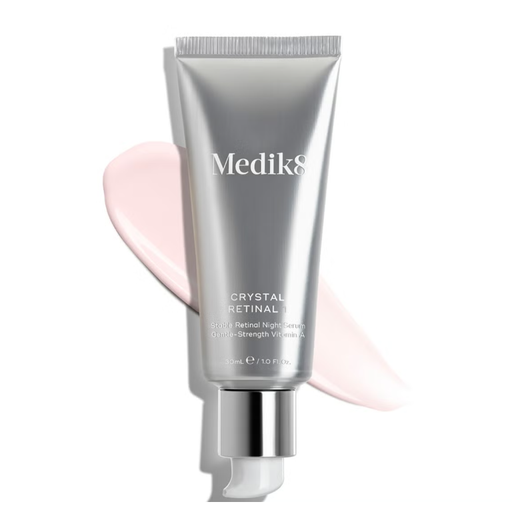
Why This Fits Their Persona: For experienced skincare users seeking a high-performance solution that targets both dark spots and general signs of ageing like fine lines and loss of firmness.
It uses stabilised, encapsulated Retinal, an advanced form of Vitamin A. This ensures the active's stability and minimises irritation potential, a common issue with lower-quality retinoid products.
Combines brightening and firming properties. According to the manufacturer, it works faster than traditional retinol and is available in various strengths for gradual adaptation.
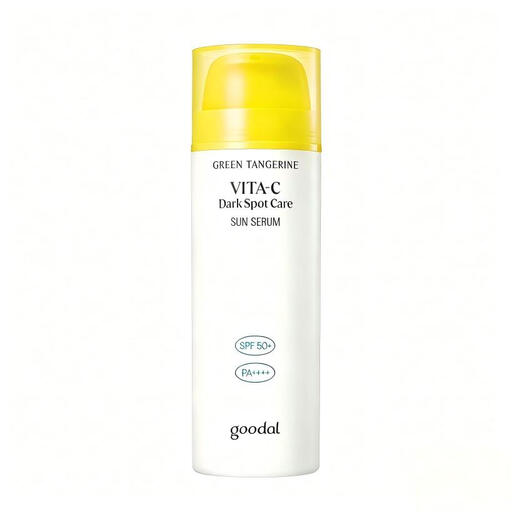
Why This Fits Their Persona: Perfect for anyone who prefers an efficient and straightforward morning routine. This product combines a brightening serum with high sun protection, saving time and an extra skincare step.
It solves the most critical application error—forgetting sunscreen. By combining treatment and protection in one product, daily use of sun protection becomes second nature.
Combines brightening actives (Vitamin C, Niacinamide) with very high broad-spectrum protection (SPF50+ PA++++). The lightweight serum texture absorbs quickly without leaving a white cast.
We have compiled a complete, real-time updated list of products that fully meet these strict selection criteria and all applicable safety regulations.
1. How long does it take for a dark spot serum to work? Patience is key. Skin renewal is a slow process. The first visible improvements may appear after 8 to 12 weeks of consistent daily use, depending on the active ingredient and skin type. For a significant lightening of stubborn spots, it can take several months.
2. Can I combine multiple brightening serums? Caution is advised. Combining multiple potent actives (e.g., Vitamin C, Retinol, and AHAs in high concentrations) can overwhelm the skin and lead to irritation. It is often better to use one well-formulated serum that already contains a synergistic blend, or to alternate products (e.g., Vitamin C in the morning, Retinol in the evening).
3. Why are my dark spots getting darker even though I'm using a serum? The most common reason for this is insufficient sun protection. Active ingredients like retinoids or acids can make the skin more photosensitive. If you do not apply and regularly reapply a broad-spectrum sunscreen with a high SPF (at least 30, preferably 50) during the day, UV radiation can stimulate melanin production more intensely than before, causing the spots to appear darker.