
Lieferung heute & morgen

Qualitätsgarantie

Willkommens-Angebote freischalten: KOSTENLOSE Lieferung | Bis zu 80 % RABATT | Kostenlose 30-Tage-JoyPlus-Testphase
App herunterladen
By the Joybuy Product Recommendation Officer
Dark spots on the face, an uneven skin tone, or visible age spots—many people are familiar with these skin changes, known as hyperpigmentation. Finding an effective solution can be a challenge given the vast array of products and ingredient claims. This article serves as your guide. It explains which ingredients are key for treating skin with dark spots and presents a selection of specific products to help you make an informed decision.
Selecting the right product depends on the type of pigmentation, your skin type, and your personal goals. Three criteria can help simplify the decision.
Modern skincare formulations use various active ingredients to reduce the appearance of dark spots. Understanding how they work is fundamental.
The product format should match the type of pigmentation. A serum for dark spots is typically applied to the entire face and is well-suited for treating a generally uneven skin tone and widespread discolouration. A dark spot corrector pen, on the other hand, allows for high-precision, spot-on application directly onto individual age or sun spots.
Reducing hyperpigmentation requires patience and consistent use. Visible results often appear only after several weeks or months of regular application. Regardless of the product chosen, daily, broad-spectrum sun protection is essential. UV radiation is one of the main triggers for the development and darkening of pigmentation spots. Without consistent sun protection, the results of your skincare products can be compromised.
Based on the criteria above, we have curated a selection of products that are tailored to specific active ingredients and application needs.
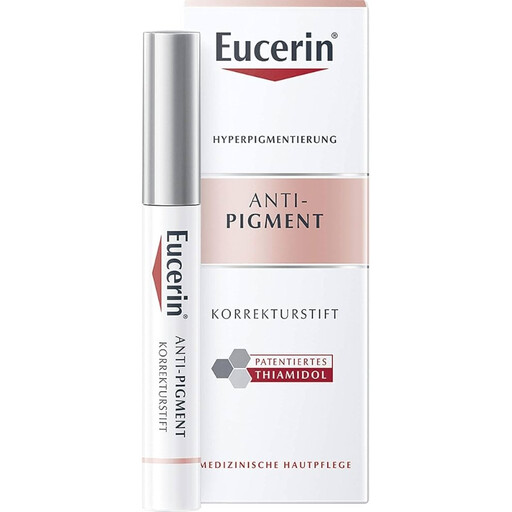
Why It Stands Out: The Eucerin Anti-Pigment Spot Corrector is designed for precision treatment. Its formula is based on the patented active ingredient Thiamidol, which acts directly at the source of melanin production. The applicator allows for precise application exclusively on the affected areas.
Benefits:
Who It's For: For users who want to lighten age spots or treat other localised dark spots on the face or hands.
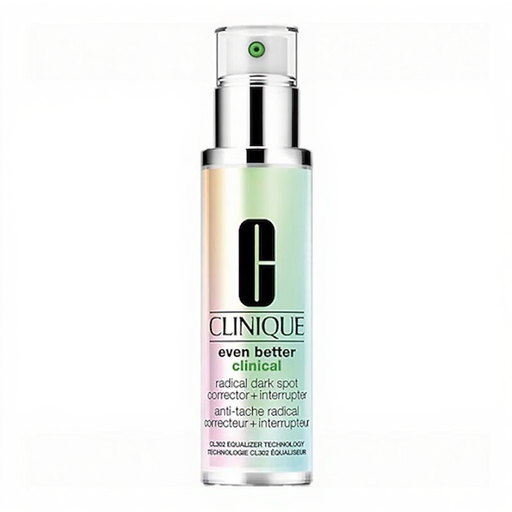
Why It Stands Out: This serum from Clinique Even Better combines the CL302 Brightening Complex with an Interrupter Complex. The formula contains active ingredients like a Vitamin C derivative, salicylic acid, and yeast extract to improve the skin's appearance on multiple levels—from brightening to gentle exfoliation.
Benefits:
Who It's For: For individuals looking for a high-performance, full-face serum to comprehensively address an uneven skin tone, dark spots, and a lack of radiance.
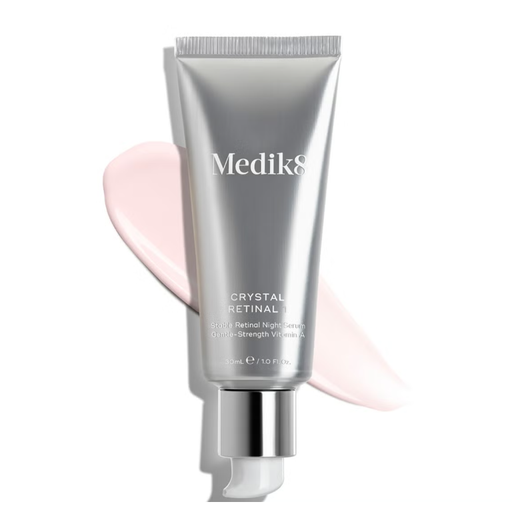
Why It Stands Out: The Medik8 Crystal Retinal 1 serum uses stabilised retinal (retinaldehyde), an advanced form of vitamin A that is said to work faster than traditional retinol. It promotes cell turnover, which can help reduce hyperpigmentation while also diminishing fine lines and wrinkles.
Benefits:
Who It's For: For users who not only want to remove dark spots but are also looking for a comprehensive anti-ageing effect to improve skin texture, firmness, and fine lines.
Our selection focuses on specific active ingredients and application formats. If you'd like to discover a broader range of serums for correcting dark spots, based on different technologies and ingredients, you can find more products in our Pigment Serum category.
A combination of targeted treatment and protection is crucial. Consistent use of products with proven active ingredients like Thiamidol, Vitamin C, or retinoids can improve the appearance of dark spots. Equally important is the daily use of a broad-spectrum sunscreen with a high SPF to protect the skin from UV radiation and prevent new spots from forming.
The time it takes to see visible results varies by individual and product. Generally, initial improvements can be observed after four to twelve weeks of consistent use. More significant results often require application over several months. Patience and a regular skincare routine are key.
Combining several potent active ingredients like retinoids, vitamin C, and exfoliating acids can potentially irritate the skin. It is recommended to start with one product and observe your skin's reaction. If you wish to combine active ingredients, do so gradually (e.g., on different days or at different times of the day) and adjust your routine if you notice any signs of redness or irritation. A patch test on a small area of skin is advisable before the first full-face application.