Cyclists with a fuelling plan
You’re planning a ride lasting more than 60 minutes and want to fit a sweet snack into your plans without it taking the place of drinks and other carbohydrates.


On a longer bike ride, a dark wafer is better treated as an extra snack than as a substitute for planned drinks and carbohydrates. The German Journal of Sports Medicine recommends regular intake of carbohydrate-containing drinks during exercise lasting more than 60 minutes. If you’d like to take a wafer along for a break, check the cocoa percentage and what it refers to, as well as the nutritional information, ingredients and serving size.
You’re planning a ride lasting more than 60 minutes and want to fit a sweet snack into your plans without it taking the place of drinks and other carbohydrates.
You’re looking for a dark wafer to enjoy during a break or after your ride, and want to know what the stated cocoa percentage refers to.
You compare ingredients, allergens, nutritional information and serving sizes before choosing a wafer to take with you.
First, decide whether the wafer is for a break or whether you plan to include it in your ride nutrition. Then compare the cocoa information, serving size and ingredients of the specific products.
| Criterion | What to check | Who it matters to |
|---|---|---|
| Fuelling on longer rides | Plan drinks and carbohydrates separately from the wafer; calculate the nutritional values for the portion you intend to eat. | On longer rides, I want to take a snack without treating it as a substitute for all my ride nutrition. For around 42% of consumers, planned fuelling is the main priority. |
| Cocoa content and flavour | Look for a specific cocoa percentage and check whether it applies to the chocolate or the whole product. | For a break, I’m mainly looking for a dark flavour and a clear indication of cocoa content. This is the main buying consideration for around 33% of consumers. |
| Ingredients and nutritional information | Check the ingredients list, including allergens, as well as the carbohydrates and fat per 100 g and per planned serving. | If I need to avoid certain ingredients, I want to check the specific pack before buying and understand its nutritional information. This check takes priority for around 25% of consumers. |
The description alone doesn’t tell you how much cocoa the whole product contains. Kägi Chocolates states that the chocolate in Kägi Dark contains 58% cocoa; REWE, by contrast, lists 17.5% total cocoa for Kinder Bueno Dark. These figures refer to different things.
Check which part of the product the figure refers to before comparing cocoa percentages across different wafers.
Solid confectionery doesn’t replace fluids. For exercise lasting more than 60 minutes, the German Journal of Sports Medicine specifically recommends carbohydrate-containing drinks.
Plan drinks and carbohydrate sources that suit you separately from a wafer, and treat the snack as an extra.
Two dark wafers can also differ in their carbohydrate and fat content. EDEKA24 lists 62.4 g of carbohydrates and 21.2 g of fat per 100 g for EDEKA Herzstücke rice cakes with dark chocolate and raspberry pieces; Kägi Fret Dark contains 55 g and 37 g respectively per 100 g.
Compare the nutritional information on the same basis, then consider how much you actually plan to eat.
With chocolate or cream-filled wafers, the name won’t necessarily reveal all the ingredients. According to REWE, Kinder Bueno Dark contains hazelnuts, milk, wheat and soya, among other ingredients.
For each specific product, read the ingredients list, including highlighted allergens and any precautionary warnings about traces.
Kägi Dark is a chocolate wafer for shoppers specifically looking for a stated cocoa percentage.
The rice cake with dark chocolate and raspberry pieces is a different type of wafer from a filled chocolate wafer.
ALDI SÜD sells BISCOTTO dark chocolate wafers as a classic chocolate wafer in a 175-g pack.
Kinder Bueno Dark is a wafer bar with milk and hazelnut filling and dark chocolate, so it’s a different type of product from a rice cake.
These wafers and wafer bars are portionable snacks to consider for a break while cycling. Their product names distinguish between dark chocolate, hazelnut wafer bars and dark cocoa wafer biscuits. If you want to compare cocoa content or allergens, check the labelling on the specific pack.
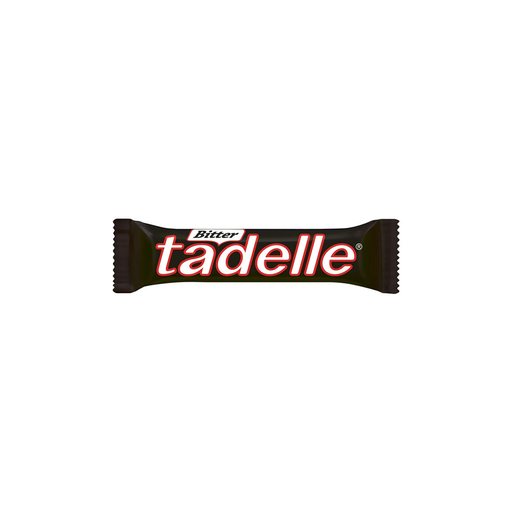 No image available
A dark chocolate wafer for a break. The pack states 30 g; for a detailed comparison, check the cocoa content and allergen labelling.
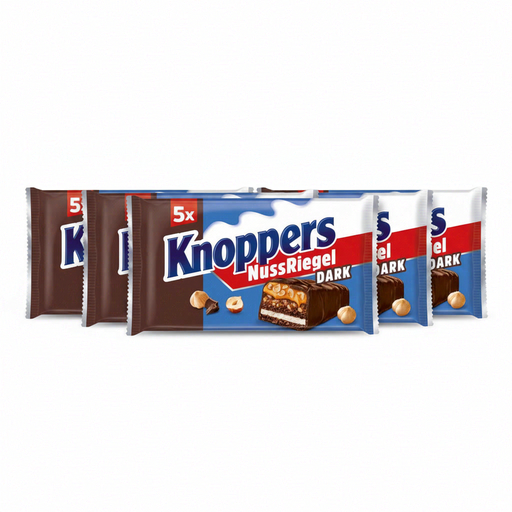 No image available
A hazelnut wafer bar for breaks when you’re planning several portions. The pack contains five bars of 40 g each; check the ingredients, allergens and what any cocoa percentage refers to on the pack.
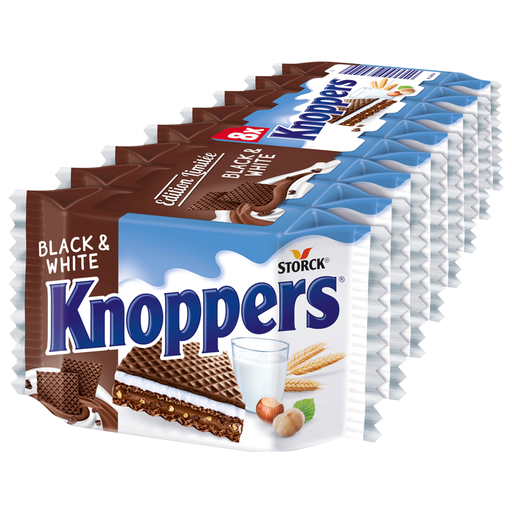 No image available
Wafer biscuits with dark cocoa for a portioned break. The pack contains eight biscuits of 25 g each; the name alone doesn’t confirm a particular cocoa percentage or a dark chocolate coating.
No, a wafer can’t replace a drink. For exercise lasting more than 60 minutes, the German Journal of Sports Medicine recommends regular intake of carbohydrate-containing drinks. At most, you can include a wafer as an extra in your personal fuelling plan.
No, the word “dark” alone doesn’t tell you the cocoa content of the whole product. Kägi Chocolates states that the chocolate in Kägi Dark contains 58% cocoa, while REWE lists 17.5% cocoa for the whole Kinder Bueno Dark product. So only compare figures that refer to the same thing.
Compare the ingredients, highlighted allergens and nutritional information, as well as the portion you actually plan to eat. The Verbraucherzentrale explains that packaged foods must display details including ingredients and allergens. Nutritional values per 100 g provide a common basis for comparison.
There’s no single answer for all dark wafers. REWE lists hazelnuts, milk, wheat and soya among the ingredients in Kinder Bueno Dark. If you have an allergy, always check the ingredients and information on the specific pack rather than assuming its contents from the colour of the chocolate.