For a biscuit base or a layered dessert in a glass, choose biscuits that crumble easily. If you want a decoration that stands out, whole biscuits coated in chocolate are a better choice. If a high cocoa content is essential, the term ‘dark chocolate’ alone is not enough: check what any percentage refers to, and make sure the ingredients and allergen information suit your needs.
Who should take care when choosing
If you’re looking for a pronounced cocoa flavour
If you want a rich, dark chocolate flavour, look for an explicitly stated cocoa content rather than relying on the term ‘dark chocolate’ alone. According to the Verbraucherzentrale (German consumer advice centre), there is no precisely defined percentage threshold for the terms ‘dark’ and ‘bittersweet’ chocolate.
If you’re making a biscuit base or a layered dessert in a glass
For a base, the biscuits need to crumble and bind together with another ingredient; for visible layers or decoration, their shape matters more. A REWE recipe, for example, makes a biscuit base with crumbled biscuits and melted butter.
If you need to consider ingredients or allergens
A dark chocolate variety doesn’t, by itself, tell you whether a biscuit is suitable for vegans or what other ingredients it contains. Check the current packaging, including highlighted allergens and any ‘may contain’ warnings.
What to look for when buying
First, decide whether you’ll use the biscuits for a base, in larger pieces in a dessert, or whole as decoration. Then you can check the chocolate description, ingredients and pack size to suit your needs.
| What to consider | What to check when buying | Who should pay particular attention |
|---|
| Cocoa content |
Does the packaging state the cocoa content, or does the percentage refer to the chocolate content of the biscuit? According to the Verbraucherzentrale, the term ‘dark chocolate’ doesn’t have a precisely defined cocoa percentage threshold. |
If I want a distinctly dark chocolate flavour, I need to know exactly what the figure describes. For around 36% of consumers, this verifiable cocoa content is the main consideration. |
| Shape and texture |
For a base, check that the quantity of biscuits and how easily they crumble suit the recipe; for visible decoration, look for whole biscuits or suitable pieces. |
The mixture needs to hold together for a biscuit base, while pieces should remain recognisable in a dessert glass. Getting the right texture is the top priority for around 29% of consumers. |
| Ingredients and allergens |
Check the vegan labelling, ingredients list, highlighted allergens and any ‘may contain’ warnings on the specific pack. |
If I’m baking for people with specific dietary requirements, the recipe needs to suit them. Around 21% of consumers put ingredients first. |
| Pack size |
Compare the quantity of biscuits you need in grams with the pack size. |
For a larger biscuit base, I want to make sure I have enough biscuits without ending up with lots left over. Around 14% of consumers focus primarily on getting the right quantity. |
Common mistakes when choosing
-
Confusing chocolate content with cocoa content
REWE describes LEIBNIZ Choco Edelherb as a butter biscuit with dark chocolate (63%). The 63% refers to the chocolate in the biscuit, not to a stated cocoa content of the chocolate or the product as a whole.
If a specific cocoa content is important, look for a figure on the current packaging that explicitly refers to cocoa.
-
Assuming vegan means allergen-free
An oat cookie labelled vegan may still contain wheat and carry ‘may contain’ warnings for milk or soya. Dark chocolate doesn’t automatically make a biscuit free from milk, egg or soya either.
Before baking, read the ingredients list and any allergen or ‘may contain’ warnings on the pack you’re using.
-
Assuming dessert biscuits are suitable for baking
A biscuit that works in a chilled biscuit base or as a last-minute decoration isn’t necessarily suitable for baking in the oven for longer.
Only put biscuits in the oven if the specific recipe calls for it. If you want chocolate pieces in your mixture, check the information for the product’s intended baking use instead.
Brands to help guide your choice
LEIBNIZ
Choco Edelherb is a butter biscuit coated in dark chocolate, making it a whole chocolate-coated biscuit that can be used to decorate desserts or make a biscuit base.
- REWE states that Choco Edelherb contains 63% dark chocolate.
- This figure isn’t a cocoa content. When checking the ingredients, look out for wheat, milk ingredients, soya and egg yolk, among others.
Bahlsen
The Bahlsen range includes a variety of baked treats; CHOKINI is described as containing pieces of dark chocolate.
- For dessert pieces, you could consider baked treats with chocolate pieces as well as chocolate-coated biscuits.
- Check the cocoa content, ingredients and suitability for your specific recipe for each variety.
REWE, ja! und REWE Bio
The products mentioned come in different biscuit styles: ja! Zartbitter Schokokeks is a chocolate-coated butter biscuit, while REWE Bio Hafercookies Zartbitter vegan is an oat cookie option.
- REWE states that the ja! biscuit contains 63% dark chocolate and the organic oat cookies contain 25% dark chocolate; both figures describe the chocolate content of the respective product.
- The oat cookie labelled vegan contains oats and wheat and carries ‘may contain’ warnings for milk and soya. The ingredients on the specific pack are what matter when choosing.
EDEKA
EDEKA Double Chocolate Cookies are a cookie option for anyone looking for chocolate pieces rather than an even coating.
- EDEKA24 states that they contain 25% milk chocolate and 25% dark chocolate.
- The chocolate mix isn’t exclusively dark, and neither percentage figure refers to cocoa content.
Lidl und SONDEY
Lidl sells SONDEY as its own brand of small baked treats.
- The range is worth considering when looking for a suitable biscuit style.
- When choosing a dark chocolate biscuit, the details for the specific variety are what matter, particularly the chocolate, ingredients and allergens.
Suitable chocolate biscuits at Joybuy
This selection features two biscuit styles for desserts at home: a butter biscuit with dark chocolate and a crunchy cookie with chocolate chips. Check the details on each pack carefully, especially if you want a specific cocoa content or need to avoid certain ingredients.
 No image available
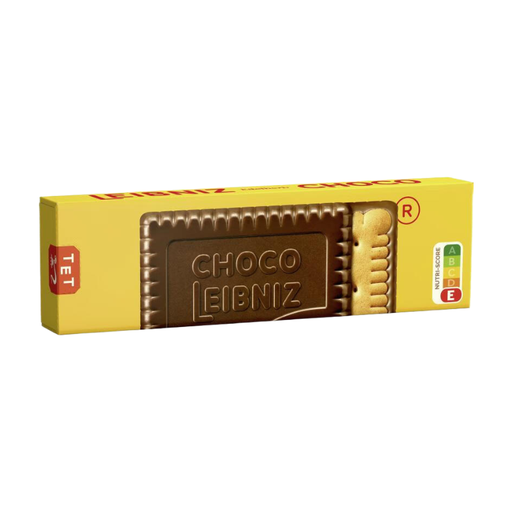
LEIBNIZ butter biscuits with dark chocolate, 125 g
These whole biscuits are ideal for decorating desserts, or you can crumble them for a biscuit base, depending on your recipe. If a high cocoa content matters to you, check the details on the specific pack. Don’t assume they’re suitable for baking in the oven.
View at Joybuy
 No image available
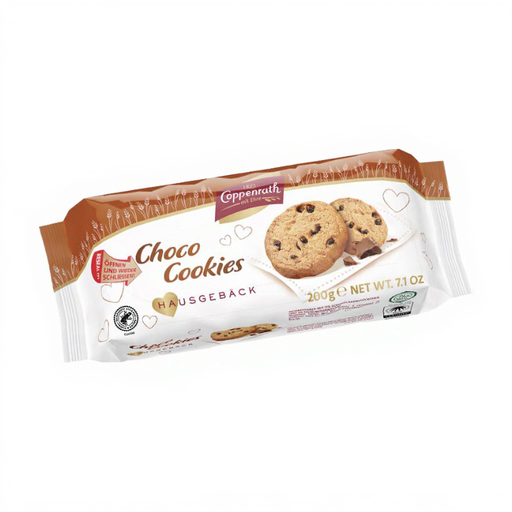
Coppenrath Crispy Chocolate Chip Cookies, 200 g
These cookies are a good option for chunkier pieces in dessert layers if you don’t want evenly chocolate-coated butter biscuits. Check the chocolate and allergen information on the pack; don’t plan to bake them into a recipe unless it specifically says to.
View at Joybuy
Frequently asked questions
Does ‘dark chocolate’ mean a chocolate biscuit has a high cocoa content?
No, the term alone doesn’t confirm a specific cocoa content for the biscuit. According to the Verbraucherzentrale, there is no precisely defined percentage threshold for dark and bittersweet chocolate. Also check whether a percentage refers to the cocoa in the chocolate or the chocolate content of the biscuit.
Can I use dark chocolate biscuits for a biscuit base?
Yes, as long as the biscuits you choose crumble easily and the recipe calls for a biscuit base. A REWE recipe combines biscuit crumbs with melted butter and presses the mixture into a base; check that you have the right quantity of biscuits and the other ingredients the recipe calls for.
Where can I find allergen information on packaged chocolate biscuits?
Read the ingredients list on the current pack: according to the Federal Office of Consumer Protection and Food Safety, the 14 main substances that can cause allergies or intolerances must be highlighted there. Also check for any ‘may contain’ warnings. ‘Vegan’ doesn’t automatically mean ‘gluten-free’ or ‘allergen-free’.
How should I store chocolate biscuits for a baking project later on?
Follow the storage instructions on the pack, and seal any opened biscuits so they keep the texture you want for your planned use. According to the Lebensmittelverband Deutschland (German Food Federation), the best-before date isn’t an automatic throw-away date; it refers to the quality of an unopened product stored correctly.


