Cyclists with a fuelling plan
If you’re planning your carbohydrate intake for a longer or more intense ride, compare the nutrition information with the amount you intend to eat. The cocoa percentage alone won’t tell you what you need to know.


Choose dark chocolate for cycling based on flavour if it’s mainly intended as an occasional treat. If you want to include it in your planned fuelling for a longer or more intense ride, the carbohydrate and fat content of the amount you actually eat matters more than the cocoa percentage. For two Ritter Sport bars listed by REWE, with 74% and 81% cocoa, each 100 g contains 52 g of fat, compared with 25 g and 20 g of carbohydrates respectively. The German Nutrition Society describes carbohydrates as an important part of fuelling during sport, so a dark chocolate bar won’t automatically replace the fuel you’ve planned for.
Whether the bar needs to fit into a fuelling plan or is mainly for enjoyment will affect what you look for.
If you’re planning your carbohydrate intake for a longer or more intense ride, compare the nutrition information with the amount you intend to eat. The cocoa percentage alone won’t tell you what you need to know.
If the chocolate is meant as a treat before or after your ride, you can choose between varieties described as smoother or more robust. The cocoa percentage can help guide you, but the flavour is a matter of personal preference.
If you want to take chocolate with you or share it, consider the portion you plan to have, the ingredients and any warnings about possible traces. Check the specific pack and its storage instructions.
First, decide whether you’re looking for a treat or something to include in your planned fuelling. Then compare the cocoa percentage to find a flavour you like, and check the information on the specific pack for nutrition, ingredients and suitability for taking with you.
| Consideration | What to check | Who it matters most to |
|---|---|---|
| Planned carbohydrates | Check the carbohydrate and fat content per 100 g, then work it out for the portion you plan to eat. | For a long or intense ride, I want to compare what I eat with my fuelling plan. This is the main concern for around 45% of consumers. |
| Cocoa and flavour | Compare the cocoa percentage and description of the specific variety; don’t use these to assume its nutritional values. | If the bar is mainly a treat, I’m looking for a level of bitterness I enjoy. This is the priority for around 33% of consumers. |
| Taking it with you and ingredients | Check the portion format, ingredients list, possible traces and storage instructions on the pack. | If I want to share pieces on the go or need to avoid certain ingredients, I want to check the pack carefully before taking it with me. This is the main consideration for around 22% of consumers. |
A high percentage on the front of the pack doesn’t tell you how many carbohydrates are in the portion you eat. The Ritter Sport examples with 74% and 81% cocoa listed by REWE have different carbohydrate values; both contain 52 g of fat per 100 g.
If you’re planning to take on carbohydrates during your ride, use the nutrition information and the portion you intend to eat rather than relying on the cocoa percentage alone.
The word “dark” doesn’t tell you whether a product contains allergens or may contain traces of them. Ingredients and warnings can vary between varieties.
If you have allergies or intolerances, read the ingredients list and any traces warnings on the specific pack, even if you already know the brand.
The product information for the Ritter Sport and Schogetten bars featured here advises protecting them from heat and moisture. Bear this in mind if you’re carrying one in your jersey pocket or stopping during your ride.
Take only the amount you plan to eat, follow the storage instructions for the variety and don’t leave the chocolate in direct sunlight or in a hot car for long periods.
These examples can help you compare specific dark chocolate varieties. The cocoa percentage, nutrition information and ingredients apply to the product named, not to every bar from that brand.
The Edelkakao and Kakao Klasse examples listed by REWE, with 74% and 81% cocoa, are useful for comparing two high cocoa percentages.
Lindt offers EXCELLENCE bars with 60%, 70% and 85% cocoa to suit different taste preferences.
The dark chocolate bar listed by REWE, with at least 50% cocoa, is an option if individually portioned pieces matter more to you than a particularly high cocoa percentage.
REWE offers dark chocolate under this brand with 70% and 80% cocoa.
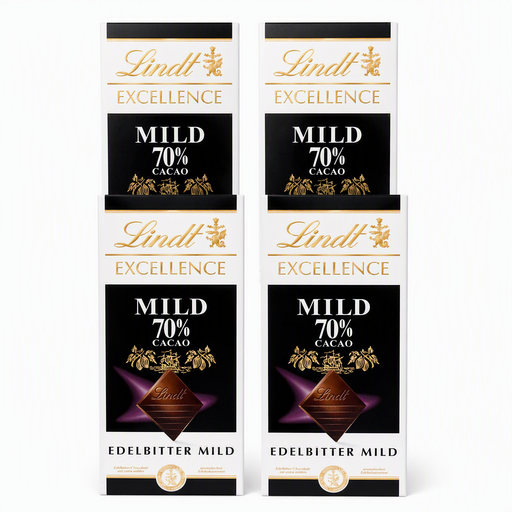
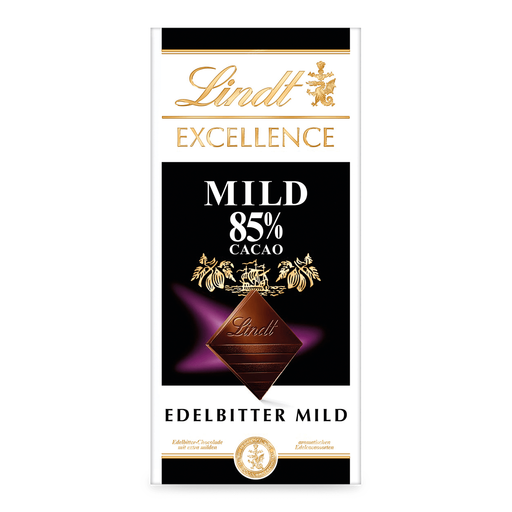
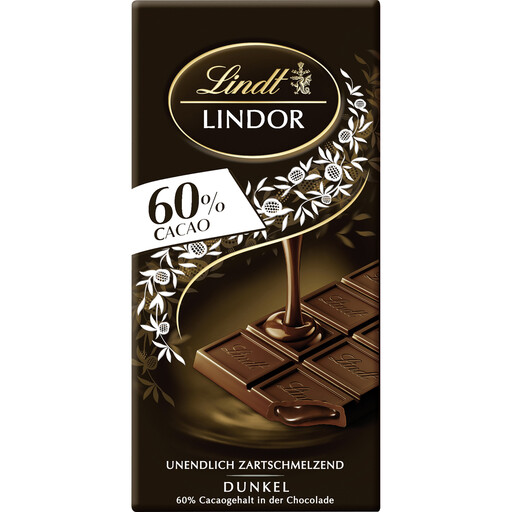
These Lindt bars cover cocoa percentages of 60%, 70% and 85%. First decide whether you’re looking for a filled LINDOR bar or an EXCELLENCE bar. If you’re planning to include it in your fuelling during a ride, then check the nutrition information and work out the amount you’ll actually eat.
 No image available
If you’re looking for a dark EXCELLENCE bar with 70% cocoa, this four-pack is a suitable option.
For your fuelling plan, what matters is the amount you actually eat from a bar. Check the nutrition information and, if you have allergies, the ingredients and traces warnings on the pack.
 No image available
If you prefer a dark chocolate bar with 85% cocoa, this variety may suit your taste.
A high cocoa percentage doesn’t determine the carbohydrate content of your portion. Before including it in a fuelling plan, compare the nutrition information for the specific bar.
 No image available
If you’re looking for a dark LINDOR bar with 60% cocoa, bear in mind that it has a filled recipe, so it’s not the same as an unfilled bar.
For the portion you plan to eat, check the nutrition information and, if you have allergies, the ingredients on the specific pack.
No. The cocoa percentage alone doesn’t show how many carbohydrates are in your portion. Of two Ritter Sport bars listed by REWE, the 74% variety contains 25 g of carbohydrates per 100 g and the 81% variety 20 g; both contain 52 g of fat per 100 g. If you’re planning your carbohydrate intake, compare the information for the specific bar with the amount you intend to eat.
If you’re considering dark chocolate for a ride, compare the carbohydrate, sugar and fat content per 100 g in particular. Nutrition information also includes energy, saturated fat, protein and salt, among other details. Work out the figures for your planned portion rather than assuming the whole bar is one serving.
Read the ingredients list and any traces warnings on the exact pack you’re buying. The German Food Federation explains that relevant allergens must be marked in the ingredients list; additional traces warnings can vary between dark chocolate varieties.
Follow the storage instructions for the specific bar and take only the amount you plan to eat. The Ritter Sport and Schogetten examples listed by REWE advise protecting the chocolate from heat and moisture, so direct sunlight and a hot car aren’t suitable places to store it.