Home bakers who care about cocoa notes
You want to choose a dark chocolate flavour for your dessert and understand whether a percentage refers to the chocolate, the cream or another ingredient.


When choosing dark wafers for a baking project, start with how you plan to use them in your dessert. Very thin wafers can work well in delicate layers or as shards, while filled wafer biscuits add a noticeably creamier element. The term ‘dark chocolate’ alone doesn’t tell you the cocoa content of the whole product. Check what each percentage refers to, as well as the ingredients and allergen information on the pack.
You want to choose a dark chocolate flavour for your dessert and understand whether a percentage refers to the chocolate, the cream or another ingredient.
For cakes or dessert glasses, you’re looking for thin wafers to create layers or shards, or filled wafers to add a creamier element, depending on your recipe.
If you’re baking for several people, check the ingredients and allergen information on the specific pack before adding wafer biscuits to your dessert.
First, decide which flavour and wafer shape your recipe calls for. Then check the ingredients of your chosen variety and whether the pack contains enough for what you’re making.
| Criterion | What to check | Who is it important for? |
|---|---|---|
| Dark chocolate flavour | Check whether percentages refer to the chocolate, cream, filling or whole product. Don’t compare figures directly if they refer to different things. | I want to choose a specific dark chocolate flavour for my dessert and understand the information on the pack. For around 36 % of consumers, clear labelling would come first. |
| Wafer shape | Distinguish between thin wafers for layers or shards and filled wafer biscuits for a creamier element. | I need a wafer for my dessert glass that suits the layer or decoration I have in mind. Around 29 % of consumers would prioritise choosing the right shape. |
| Ingredients and allergens | Check the ingredients, highlighted allergens and any possible traces on the pack you’re actually buying. | If I’m baking for others, I need to know which ingredients and allergens are listed before adding the wafers. Around 21 % of consumers would prioritise this check. |
| Pack size and where to buy | Check that the pack size suits your recipe and confirm that your chosen variety is currently available. | I’m planning how much I need for my baking project and want to buy my chosen variety in good time. Around 14 % of consumers would check the quantity and where to buy it first. |
REWE describes Loacker Dark Chocolate wafers as containing 75 % dark chocolate cream. This figure isn’t the cocoa content of the whole wafer product; the ingredients list states that the cream contains 8 % dark chocolate.
Before comparing one wafer with another, check which ingredient each figure refers to and what it’s measured against.
A dark chocolate variety may contain other ingredients that affect its flavour. For example, EDEKA describes its GUT&GÜNSTIG Dark Chocolate Wafers as having a hazelnut cocoa cream filling.
If you’re baking for other people, check the ingredients and allergen information on the specific pack before baking, even if the variety sounds right for you.
ALDI Nord warns that special-offer products are available in limited quantities and may sell out early. So, if your recipe calls for a particular BISCOTTO variety, the offer page doesn’t guarantee you’ll find it in store.
Check current availability before deciding how many packs you need for your baking project.
Thin wafers filled with dark chocolate, which could work well in delicate dessert layers or as shards.
Filled wafer biscuits for desserts that call for a creamier wafer element.
Chocolate wafers with a hazelnut cocoa cream filling, also available in a dark chocolate variety according to ALDI Nord.
Dark chocolate wafers for desserts that would also benefit from a hazelnut cocoa cream filling.
These wafers and wafer bars could work as easy-to-portion dessert ingredients. Use the product information and your recipe to decide whether the type of chocolate, shape and pack size are right for you.
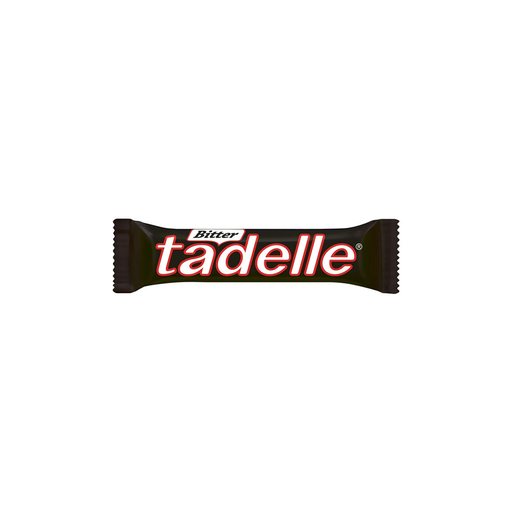 No image available
The 30-g option could be a good choice if you’re planning a small wafer element for your dessert. Check the ingredients and consider the texture you want once it’s incorporated into your recipe.
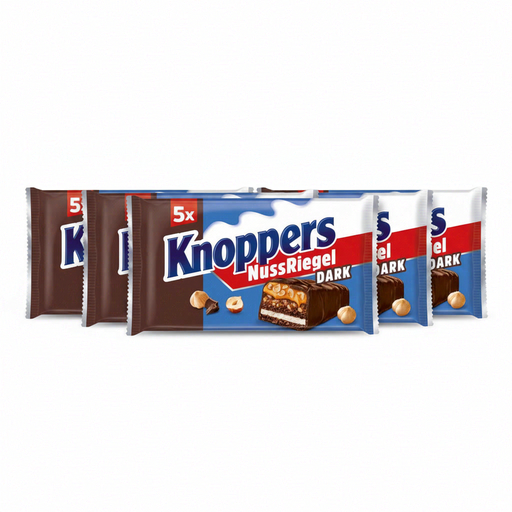 No image available
The pack of five 40-g wafer bars could suit a dessert where you need several portions. Bear in mind that hazelnut is mentioned in the product name, and check the full ingredients and allergen information.
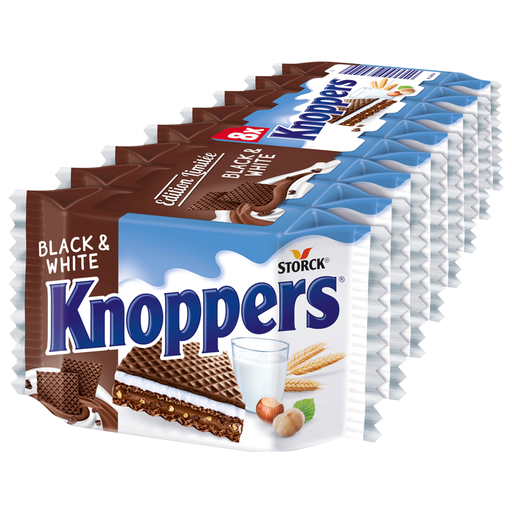 No image available
The pack of eight 25-g pieces could work well as individual dessert portions. If a specific cocoa content or texture is important, check the product information and make sure it’s suitable for your recipe before buying.
No. The variety name doesn’t indicate a standard cocoa content for the whole wafer product. REWE describes Wetzel as containing 65 % dark chocolate in the filling and Loacker as having 75 % dark chocolate cream; EDEKA lists 48 % dark chocolate for GUT&GÜNSTIG. These figures refer to different things, so they can’t be compared directly as cocoa percentages.
A wafer described as thin is a natural choice for delicate layers or small shards, while a filled wafer biscuit could add a creamier element. For a moist dessert, check separately whether your chosen wafer will keep the texture your recipe calls for.
No. Before adding the wafers, check the ingredients, highlighted allergens and any possible traces on the specific pack. The Verbraucherzentrale explains that packaging labels include information about ingredients and allergens. Ingredients can vary between dark wafer products.