What should you look for when buying?
Start with your course requirements, then check whether local GPU computing is necessary. Northwestern University’s specifications are an example for one particular programme, not a general requirement for all universities.
| Consideration |
What to check before buying |
Who should consider this? |
| Memory for local data analysis |
Compare course requirements with the RAM, SSD and documented upgrade options for the exact model variant. |
If I work locally with datasets and several tools, I want to tailor the configuration to my course requirements. Around 29% of consumers would make memory capacity their top priority. |
| Local GPU tasks |
Check the required software and GPU platform, and how much local graphics memory you’ll need. |
If a course requires GPU computing on my own laptop, the specific combination of hardware and software needs to be compatible. Around 23% of consumers would prioritise local GPU requirements. |
| A workspace for long study sessions |
Check video output and monitor compatibility; allow space for an external keyboard and mouse. |
If I mainly work at a desk, I want to be able to connect an external monitor and separate input devices with ease. Around 18% of consumers would put their workspace requirements first. |
| Initial purchase and other accessories |
Check your course requirements, the exact configuration, what’s included and any peripherals you’ll need. |
If I only want to buy the equipment my work actually requires, I’ll also check accessories and upgrade options. Around 18% of consumers would make the total cost, including any equipment they need, their top priority. |
| Portability beyond your home office |
Consider how often you’ll carry it, as well as the size, weight and ports of the model variant. |
If I occasionally take my laptop to university, it should suit my day-to-day routine on the move too. Around 12% of consumers would make portability their top buying priority. |
Joybuy products for working with data at home
This selection includes ZBook variants for local data work with integrated graphics, as well as a model with a dedicated GPU. If you’re working on GPU projects, always check that the hardware supports the software required by your course.
 No image available
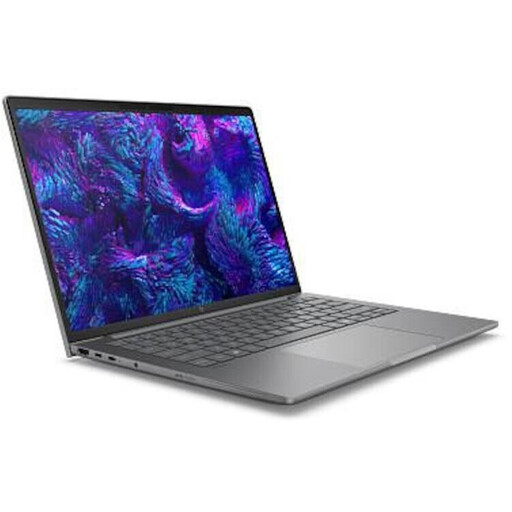
HP ZBook 8 G1i 14 Ultra 9 285H, 64 GB RAM, 1 TB SSD
An option for local data work and using several tools at once, if the configuration meets your course requirements.
Intel Core Ultra 9 285H, 64 GB RAM and 1 TB SSD.
A suitable CUDA configuration isn’t confirmed for courses that require CUDA; check the software and hardware requirements.
View at Joybuy
 No image available
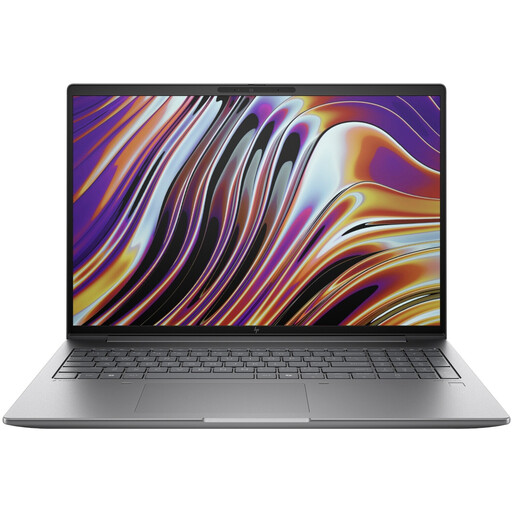
HP ZBook Power 16 Ryzen 7 8845HS, 32 GB RAM, 1 TB SSD
May suit local data analysis if 32 GB RAM and a 1 TB SSD meet your course requirements.
AMD Ryzen 7 8845HS, 32 GB RAM and 1 TB SSD.
A suitable CUDA configuration isn’t confirmed for local tasks that require CUDA.
View at Joybuy
 No image available
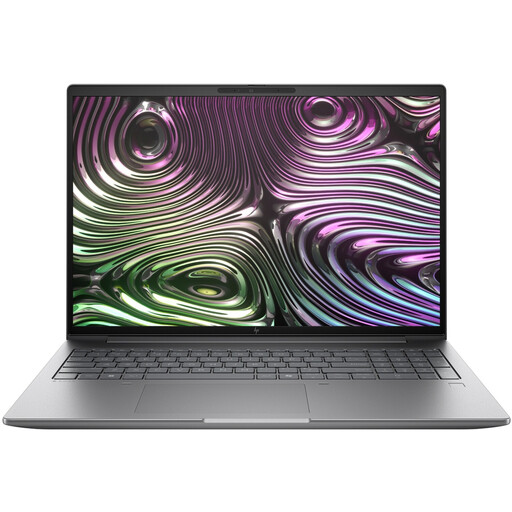
HP ZBook X G1i 16 Ultra 7 255H, 32 GB RAM, 1 TB SSD
A potential choice for local data work and a dedicated desk, as long as its specifications meet your course requirements.
Intel Core Ultra 7 255H, 32 GB RAM and 1 TB SSD.
A suitable CUDA configuration isn’t confirmed for local projects that require CUDA.
View at Joybuy
 No image available
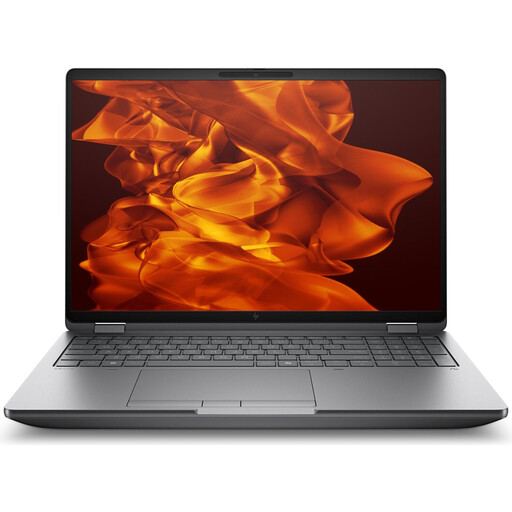
HP ZBook Fury 16 G1i Mobile Workstation, Core Ultra 9 285HX, RTX PRO 4000 Blackwell, 64 GB RAM, 2 TB SSD
An option if you plan to work locally with a GPU and the software you need supports this specific graphics configuration.
Intel Core Ultra 9 285HX, RTX PRO 4000 Blackwell, 64 GB RAM and 2 TB SSD NVMe.
For extended periods of work, the DGUV recommends a separate keyboard and mouse, plus an external monitor where possible; remember to factor in the peripherals you’ll need for your desk.
View at Joybuy
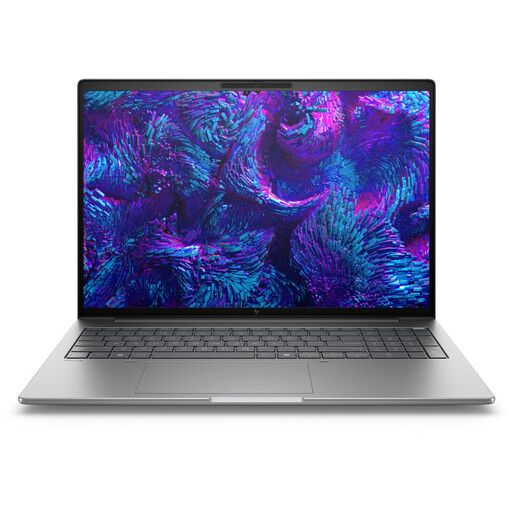 No image available
HP ZBook 8 G1i 16 Ultra 7 265H, 64 GB RAM, 2 TB SSD
May suit local data work and running several applications at once, if you genuinely need the extra storage capacity.
Intel Core Ultra 7 265H, 64 GB RAM and 2 TB SSD.
A suitable CUDA configuration isn’t confirmed for local projects that require CUDA.
View at Joybuy
Frequently asked questions
Do I need to buy a new laptop before I start my course?
Not just because of the subject you’re studying. The data science and computer science student society at the University of Göttingen advises first-year students to wait a few weeks or months. Check the requirements for your own course before following this advice.
How can I set up my laptop for longer study sessions at home?
For extended periods of work, the DGUV recommends using a separate keyboard and mouse, plus an external monitor if possible. Check the ports on the specific laptop and the space available on your desk; this doesn’t mean everyone needs to buy these items.
What should I check about the specifications and accessories?
Compare the exact RAM and SSD configuration, the peripherals you need and what’s included. A Joybuy listing for a specific MacBook Air M5 variant explicitly states that no charger is included; don’t assume this applies to other listings.
What are my rights in Germany if my laptop is faulty?
If a product is faulty, Section 437 of the German Civil Code (BGB) provides for remedies including repair or replacement, as well as cancellation of the contract or a price reduction, subject to the relevant legal conditions. These statutory rights are separate from a voluntary manufacturer’s warranty.


