What should you look for when buying?
First check your course’s software and hardware requirements, then consider how much space you have and, finally, what extra features you actually need.
Compact laptop for local work
A good fit if: you regularly use Python notebooks, datasets and other applications directly on your device.
Trade-off: A smaller screen takes up less desk space, but doesn’t automatically give you enough comfortable screen space for long sessions.
Compact laptop with cloud computing
A good fit if: your course allows hosted notebooks and more demanding calculations can be done there.
Trade-off: Cloud resources may be limited or unavailable, so local software compatibility still matters.
Laptop for specifically required local GPU work
A good fit if: your specific course or project requires local GPU software and particular hardware.
Trade-off: A GPU recommendation for one course isn’t a general requirement for data science.
| Consideration |
What to check when buying |
Who it matters most to |
| Local computing capability |
Course requirements and operating system, RAM and SSD in the exact configuration, and the software you need. |
If I work with notebooks and datasets locally and use several applications, the specific configuration needs to suit my coursework. Around 36% of consumers put local computing capability first. |
| Desk space and ergonomics |
Available desk space, screen size and resolution, ports, and room for the input devices you’ll actually use. |
If my laptop, study materials and possibly an external keyboard need to fit in a small space, I need a setup that remains practical for longer sessions. Around 29% of consumers prioritise desk space and screen size. |
| Total cost |
Your current device, the configuration you need and any accessories that are genuinely necessary. |
If I’m on a limited budget, I don’t want to pay for a device or accessories that my coursework doesn’t require. Around 21% of consumers put total cost first. |
| Cloud or local GPU |
Whether your course allows cloud services, which software needs to run locally and whether a GPU is specifically required. |
If I need to choose between hosted notebooks and local computing, I’ll follow my course requirements rather than a general GPU recommendation. Around 14% of consumers prioritise this decision. |
Suitable laptops at Joybuy
This selection features compact laptops for mainly local study work at a small desk. Check the operating system and the specific software your course requires before buying.
 No image available
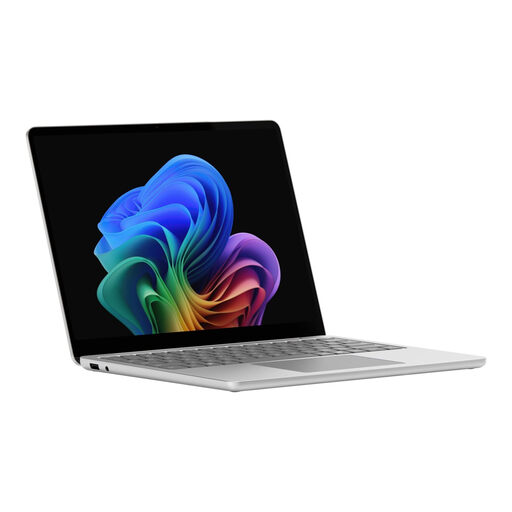
Microsoft Surface Laptop 8, Core Ultra 5, 24 GB, 1 TB, Platinum
For local study work; the product name lists 24 GB RAM and a 1 TB SSD.
View at Joybuy
 No image available
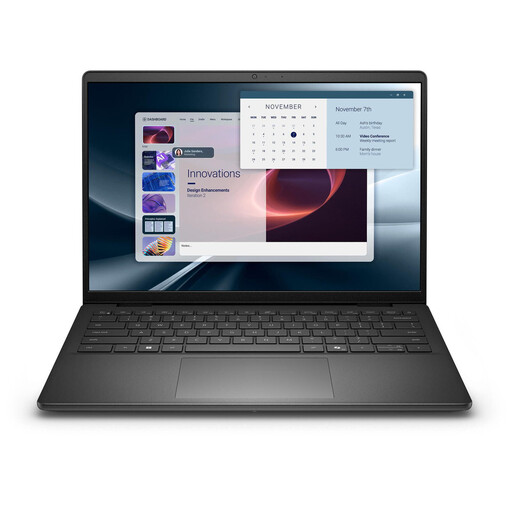
Dell Pro 14 Essential PV14255, Ryzen AI 7 350, 16 GB, 1 TB, Windows 11 Pro
A 14-inch option for a compact study space, with the Windows 11 Pro configuration stated in the product name.
16 GB RAM, a 1 TB SSD and a Full HD+ display.
View at Joybuy
 No image available
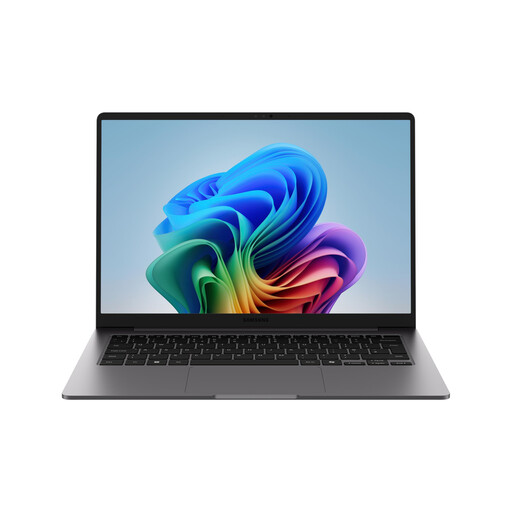
Samsung Galaxy Book6 Enterprise Edition 14, Core Ultra 7 355, 32 GB, 512 GB
For local data work; the product name lists 32 GB LPDDR5X RAM and a 512 GB NVMe SSD.
Windows 11 Pro; RJ45 port.
View at Joybuy
 No image available
HP OmniBook Ultra Flip 14-fh0670ng, Core Ultra 7 258V, 32 GB, 1 TB, 2.8K OLED
For local data work in a 14-inch 2-in-1 design with a touchscreen.
32 GB RAM, a 1 TB SSD and Windows 11 Home.
View at Joybuy
 No image available
Apple 13-Inch MacBook Air (M5, 2026), 10-Core CPU, 8-Core GPU, 16 GB, 512 GB, Silver
A compact macOS option for study tasks, provided it’s compatible with the software you need for your course.
German QWERTZ keyboard layout. According to the product description, a power adapter isn’t included and must be purchased separately.
View at Joybuy
Frequently asked questions
Do I definitely need a dedicated GPU for a data science degree?
Not necessarily: what matters is the requirements of your specific course and whether tasks need to run locally. Breda University of Applied Sciences’ GPU recommendation applies to its own course; Google Colab offers hosted resources, but access to its free resources isn’t guaranteed.
How can I set up a small workspace for longer laptop sessions?
Allow enough space for your laptop and study materials, and check whether you have room for external input devices or a monitor. For longer work sessions, the DGUV recommends an external keyboard and mouse, and an external monitor where possible. Remember to check that your device has the ports you need.
Do I need to replace my current laptop when I start my course?
Not just because you’re starting your course. The IT Service Centre at the University of Kassel specifically advises against automatically replacing a device you already own; the tasks and software used on your course are what matter.
What are my rights when I buy a laptop online in Germany?
For a qualifying consumer purchase, you generally have a 14-day right to cancel from the date you receive the goods; you must notify the retailer that you wish to cancel. The Verbraucherzentrale distinguishes this from the statutory rights you have against the seller if goods are faulty, and from a voluntary guarantee. For a specific purchase, check the type of contract and any applicable exceptions.


