If you run databases and containers locally at the same time, first compare the laptop’s actual RAM and SSD capacity with the requirements of your development environment. For working on ER diagrams at your desk, screen space or the right monitor connection may matter more. If you use a remote server, your client’s compatibility and your specific workflow are the main considerations.
Who uses a laptop for database schema work?
Developers with local test databases
If your database, containers and other development tools all run on your laptop at the same time, the exact memory configuration and your container setup’s requirements matter. Docker documents different backends and installation requirements for Docker Desktop on Windows.
People planning ER diagrams at their desk
If you want to work on tables and relationships alongside SQL, consider whether the built-in display is enough or whether you’ll use an external monitor. pgAdmin documents a tool for designing and visualising ER diagrams.
Users of remote databases
If the database runs on another computer, the resources you need locally will depend on your actual workflow. DBeaver supports the management and exploration of various SQL databases; client compatibility, network access and permissions still matter.
What should you look for when choosing one?
Local database and container testing
A good fit if: Your database, management tool and other development processes run on your laptop at the same time.
Trade-off: Extra memory headroom doesn’t replace checking the demands of your specific project and software compatibility.
Diagram and SQL work at your desk
A good fit if: You want tables, relationships and SQL visible at the same time.
Trade-off: A larger display takes up more space; a more compact laptop may need to be paired with a suitable external monitor.
Working with a remote server
A good fit if: The database and most of the processing run on another computer.
Trade-off: The lower local resource requirements depend on your workflow; you’ll also need suitable network access and server permissions.
| What matters when buying |
What to check |
Who is it important to? |
| Local resources |
Compare the actual RAM and SSD capacity with the processes you plan to run and the exact configuration. |
If I run a database, containers and other tools locally at the same time, I need enough memory headroom. Around 33% of consumers prioritise local testing processes. |
| Space for ER diagrams |
Compare the screen size and resolution with how you plan to work without a monitor. |
If I want to view relationships and SQL clearly on my laptop screen, I pay particular attention to the available screen space. For around 25% of consumers, diagram space is the main priority. |
| Software and connections |
Check the operating system, the software edition you need and the ports on the exact model. |
If I know which tools and devices I’ll be using, I want to check they’re compatible before buying. Around 25% of consumers give this priority. |
| Cost and useful life |
Compare the specifications of the individual laptop rather than possible top-of-range figures, and take software requirements into account. |
If I only need the features required for my workflow, I don’t want to pay for unnecessary headroom, and I want to consider how long the laptop will remain useful. Around 17% of consumers prioritise cost and useful life. |
Which buying mistakes should you avoid?
-
Assuming that viewing an ER diagram means you can edit a schema in it
Being able to view a diagram doesn’t automatically mean you can edit tables and relationships directly in it. DBeaver documents Edit Mode for Enterprise and Ultimate, but not Community.
Before you buy, decide whether you only need to view diagrams or want to make schema changes from them. Check which tool and edition you’ll need.
Graphical editing may require a suitable software licence.
-
Assuming a range’s maximum specification applies to every laptop
A claim such as ‘up to 64 GB’ doesn’t mean that a particular configuration has that much RAM. Components can vary between configurations of a customisable laptop.
Check the full model number and the actual RAM, SSD, display and port specifications.
-
Assuming variants are identical because their model names look similar
One Dell configuration lists integrated LPDDR5x memory, while an offer lists DDR5. A MacBook Air listing also uses different colour names in the title and specifications.
If the specifications don’t match, don’t assume the variants are identical. Check the exact configuration before you decide to buy.
Which brands are worth considering for database schema work?
HP
The ProBook 4 G1a 14 is a compact Windows business option. Its documented AD2M8ET#ABD configuration is worth comparing if exact memory specifications matter.
- HP lists HDMI, USB-A and two USB-C ports for this product line. The AD2M8ET#ABD has 24 GB RAM, a 512-GB SSD and a 14-inch WUXGA display.
- These memory specifications apply to this configuration. They don’t assess comfort or real-world performance.
Dell
The configurable Pro 14 Plus PB14250 is worth considering if you’re looking for a compact Windows laptop with a choice of components.
- One configuration listed by Dell includes a Core Ultra 5 236V, 16 GB of integrated LPDDR5x memory and a 512-GB SSD.
- Specifications depend on the configuration you choose. Don’t assume integrated memory can be upgraded later.
Acer
The Swift 16 AI SF16-71T-78HV is a 16-inch Windows option for working on diagrams using the built-in display.
- Acer lists an OLED display with a resolution of 2880 × 1800 pixels, 16 GB RAM and a 512-GB SSD for this variant.
- The screen size, finish and specifications need to suit your desk and workflow; the manufacturer’s specifications are not an ergonomic assessment.
Apple
The 13-inch MacBook Air with M5 is a macOS option, provided it’s compatible with the database tools and connections you need.
- Apple lists 16 GB of unified memory and a 512-GB SSD as standard. According to Apple, the model supports up to two external displays and has two Thunderbolt 4 USB-C ports.
- Check that your chosen software works with macOS and that your existing peripherals are compatible with the ports.
Lenovo
The ThinkPad E14 Gen 8 Intel range is a compact Windows business option for comparing ports and potential memory configurations.
- Lenovo lists HDMI, Thunderbolt 4 and configurations with up to 64 GB RAM, among other features.
- Lenovo says some configurations aren’t available in every region. A range’s maximum specification doesn’t guarantee the configuration of an individual listing.
Laptops for diagram and SQL work at your desk
The following 16-inch laptops have been selected for database schema work at a fixed desk. Compare their displays, operating systems and memory specifications with the software and local processes you actually plan to use.
 No image available
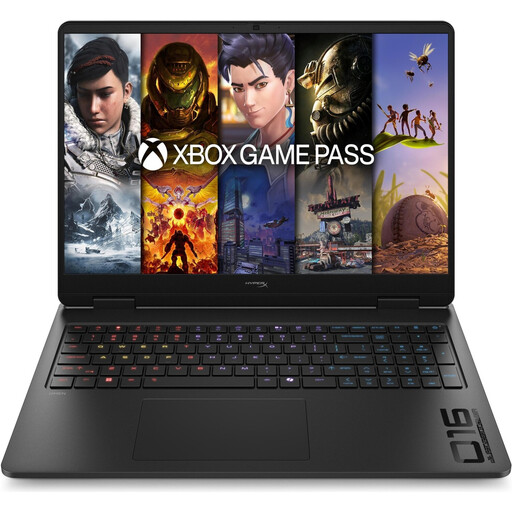
HP OMEN 16-ap1071ng
For working on database schemas at your desk, if you want to compare a 16-inch display and the listed Windows configuration.
16 inches, QHD, AMD Ryzen 7 8745HX, 16 GB RAM, 1 TB SSD, GeForce RTX 5060, Windows 11 Home.
Joybuy
 No image available
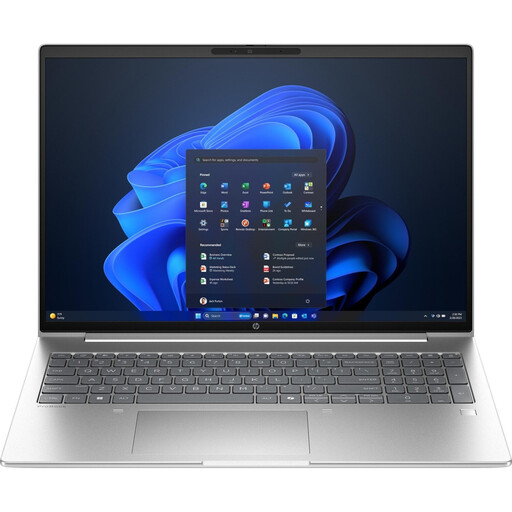
HP ProBook 4 16 G1i
A 16-inch configuration for working on database schemas at your desk. Check that Windows 11 Pro and the listed ports suit your tools.
Intel Core Ultra 7 255U, 32 GB RAM, 1 TB NVMe SSD, 16-inch IPS display with 1920 × 1200 pixels, HDMI, Wi-Fi 7, Windows 11 Pro.
Joybuy
 No image available
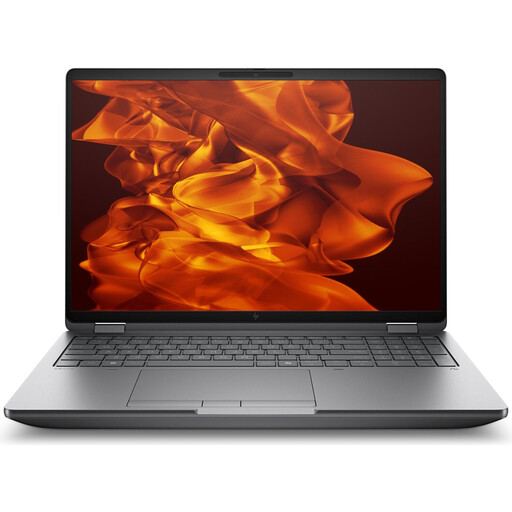
HP ZBook Fury 16 G1i Mobile Workstation
For a desk setup where you want to compare the listed screen resolution and larger memory capacities with your actual needs.
Intel Core Ultra 9 285HX, 64 GB RAM, 2 TB NVMe SSD, RTX PRO 4000 Blackwell, 16-inch IPS display with 3840 × 2400 pixels, Windows 11 Pro.
Joybuy
 No image available
Lenovo ThinkBook 16 Gen 9
A 16-inch option for working on diagrams at your desk. The listed ports may help when checking compatibility with your monitor and peripherals.
Intel Core Ultra 5 325, 32 GB DDR5, 512 GB PCIe SSD, 16-inch WUXGA display, HDMI, Thunderbolt 4, Windows 11 Pro.
Joybuy
 No image available
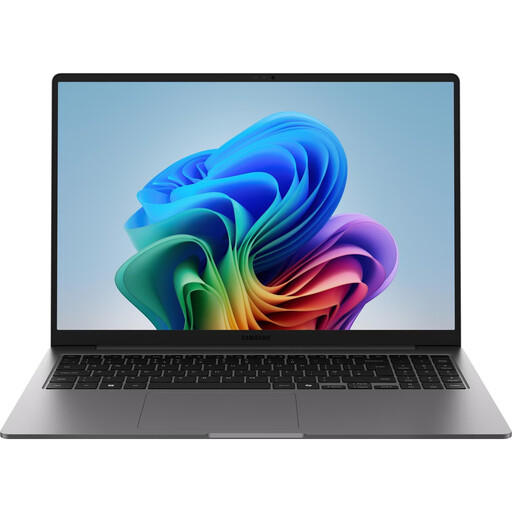
Samsung Galaxy Book6 Enterprise Edition 16
For working on database schemas at your desk, if you want to compare a 16-inch touchscreen model with Windows 11 Pro.
Intel Core Ultra 7 355, 16 GB LPDDR5X, 512 GB NVMe SSD, touchscreen, RJ45, Windows 11 Pro.
Joybuy
Frequently asked questions
Do I need Docker or a particularly powerful laptop for database schema work?
Not necessarily. pgAdmin documents a tool for ER diagrams, while DBeaver provides database and SQL tools. Docker’s requirements matter if your workflow actually uses Docker Desktop, so first check whether your database will run locally or on a remote server.
Can I edit tables directly in an ER diagram with the free version of DBeaver?
DBeaver documents Edit Mode for Enterprise and Ultimate, but not Community. If you want to make schema changes directly using a graphical interface, check which edition you need. pgAdmin also documents a tool for designing ER diagrams and generating SQL.
What should I check when connecting a monitor to my home office setup?
Match your monitor’s input to the video ports and display support of the exact laptop variant. Apple lists Thunderbolt 4 and support for up to two external displays for the 13-inch MacBook Air with M5; HP also lists HDMI for the ProBook 4 G1a 14.
How can I avoid making unintended changes to a database schema?
Check generated SQL before running it, and follow your project’s permissions and backup procedures. DBeaver explains that diagram changes in Edit Mode are first converted into a SQL script that you can review; pgAdmin also lets you generate SQL from a diagram.
What are my rights regarding returns and faulty laptops when buying in Germany?
For a standard online purchase by a consumer, you generally have a 14-day right to cancel, starting from the day you receive the goods; exceptions and conditions regarding return postage may apply. You also have statutory rights against the seller if goods are faulty, while a voluntary guarantee is a separate entitlement. Your Europe, the European Union’s consumer portal, explains these rights. If you’re buying for business or self-employed professional use, don’t assume that you’ll be treated as a consumer.


