
Lieferung heute & morgen

Qualitätsgarantie

Willkommens-Angebote freischalten: KOSTENLOSE Lieferung | Bis zu 80 % RABATT | Kostenlose 30-Tage-JoyPlus-Testphase
App herunterladen
Dates and jujubes as a snack are becoming increasingly available online in Germany: as natural dried fruit, a crunchy snack, sweet confectionery or convenient individual portions. The selection ranges from dried dates and red dates to Chinese jujubes with sesame, chocolate or fruit flavouring.
However, product names are not always as clear as the ingredients list. If you only look for terms such as “natural”, “rich in nutrients” or “traditional”, it is easy to overlook added sugar, oils, allergens or stones. As a Joybuy Product Recommendation Officer, I have therefore set out the most important buying criteria objectively.
Dates and jujubes naturally contain sugar. Candied dates, flavoured products and confectionery with chocolate may also contain added sugar, syrup or maltose. The ingredients list is key: if fruit appears first, the product is more likely to be a plain dried-fruit snack. If sugar, glucose syrup or chocolate are listed, the product should instead be considered a sweet treat.
With pitted dates or mechanically pitted jujubes, the product information may state that an occasional stone fragment could remain. This is particularly relevant for families with children and when serving snacks in the office. Products containing stones also require more preparation and are less convenient when you are out and about.
Freeze-dried dates and crunchy jujubes differ significantly from soft dried fruit. A crisp bite may result from freeze-drying, vacuum processing or the addition of palm or vegetable oil. The product description alone does not explain the recipe. If you are looking for the shortest possible ingredients list, check the ingredients and their percentages.
For a plain date snack, ingredients lists such as “dates 100%” or “jujubes 100%” are easy to assess. For mixed products, it is worth checking carefully for:
The Seeberger Deglet Nour Dates are an example of a clearly declared recipe: according to the product information, they consist of pitted dates. By contrast, chocolate-covered dates such as Chocodate Coconut Flavor contain, among other ingredients, milk chocolate, almonds and soya.
In Germany, nutritional values are generally given per 100 g. This makes comparisons easier, but does not show how much you personally eat in one serving. For example, a small 35-g pack may suit a different everyday situation from a 500-g bag intended for baking.
Products containing chocolate, oil or a sugar coating often have higher energy and fat values than plain dried fruit. This is not a judgement on quality, but an indication that the products belong to different categories. For your personal choice, portion size, ingredients and intended use should therefore all be considered together.
Soft red dates are ideal for eating straight from the pack, as well as with tea, porridge, desserts and savoury dishes. Freeze-dried or roasted jujubes are better suited to people who prefer a crunchy texture. Individual portions are convenient when you are out and about and make it easier to manage quantities.
After opening, dried fruit should generally be stored in a cool, dry place away from direct sunlight. For crunchy products, an airtight seal is important, as moisture changes the texture. The best-before date and any specific instructions on the packaging take priority.
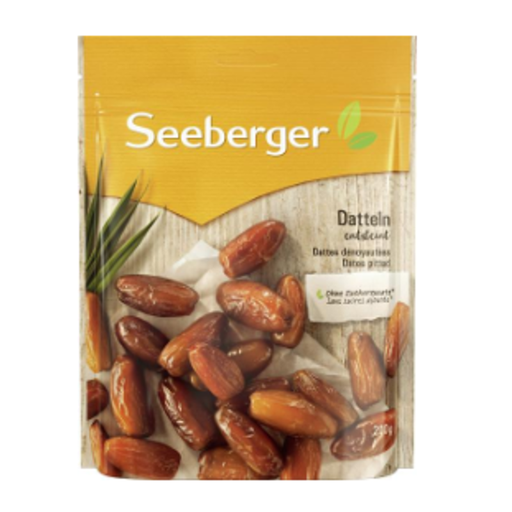
Why this product suits the profile: The 200-g pack offers an easy introduction to dried dates and is suitable for snacking, baking or using as a topping.
The ingredients information lists pitted dates with no stated chocolate or sugar coating; no allergens are listed.
Pitted, unsulphured according to the product information, and versatile for sweet and savoury recipes.
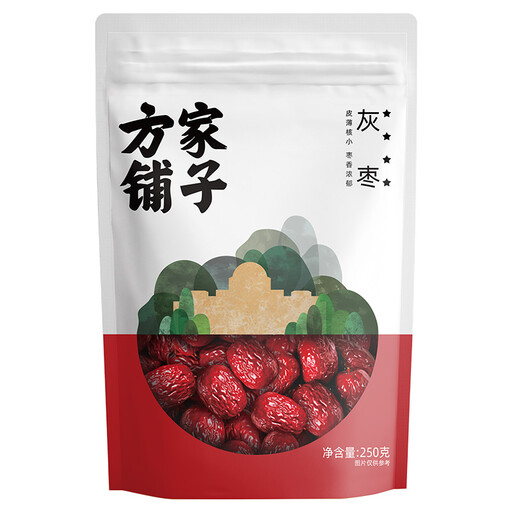
Why this product suits the profile: According to the product information, the pack contains 100% dried Loulan jujubes and is intended for eating straight from the pack as well as cooking and baking.
The ingredients list is short and contains no stated added sugar, making it clear that this is a pure red jujube product.
100% fruit content, a 250-g pack and uses ranging from snacking to desserts.
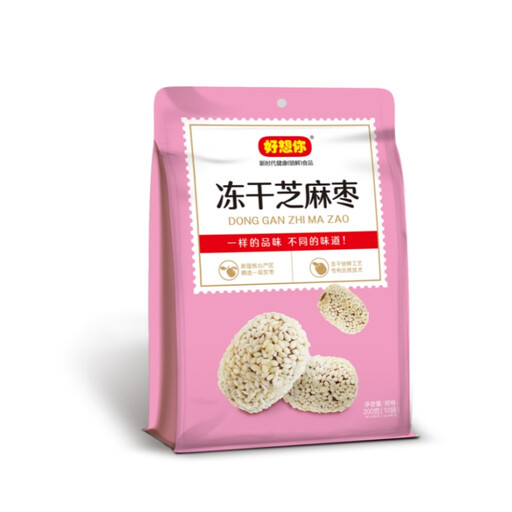
Why this product suits the profile: Freeze-dried red dates with sesame are ideal for people looking for a crunchy texture and a convenient 200-g pack.
The ingredients list red dates, sesame and white sugar, making the recipe easier to assess than a vaguely marketed “natural” mixed snack.
Freeze-drying process according to the product description, crunchy texture and declared sesame allergen.
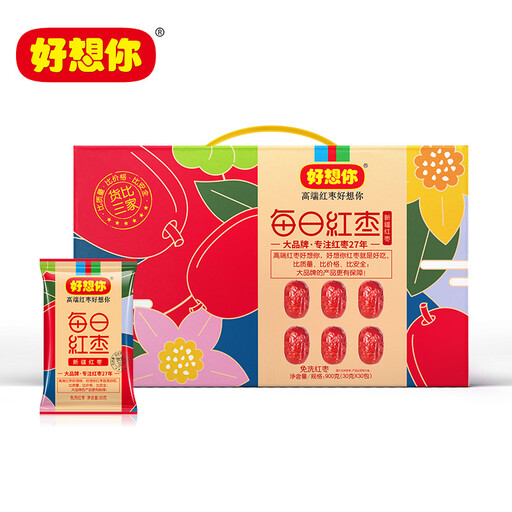
Why this product suits the profile: 30 individual 30-g sachets make it easy to divide the product between family members, in the office or for taking with you.
The individual sachets help prevent the problem of a large pack being left open for too long. Important: according to the product information, the whole dates contain stones.
100% red dates according to the ingredients list, a 900-g bulk pack and 30 separate sachets.
We have put together a complete, regularly updated list of products that fully meet these strict selection criteria and the safety regulations applicable in the EU.
No. Dates come from the date palm and are often sourced from North Africa or the Middle East. Jujubes, also known as red dates or Chinese jujubes, come from the jujube tree. Both fruits can be dried, candied, roasted or further processed, but they differ in flavour and texture.
This depends on the product, packaging and storage conditions. After opening, dates and jujubes should be stored in a cool, dry place in a well-sealed container and consumed in accordance with the packaging instructions. Crunchy varieties lose their texture more quickly when exposed to moisture. Visible changes in smell, colour or surface are a reason not to eat the product any further.
Individual portions or small resealable packs are practical when you are out and about. Pitted dates can be eaten without any preparation. For products containing stones, sesame, nuts or chocolate, check the allergen information and the specific texture before buying. For children, it is also sensible to choose an age-appropriate portion and check for stones.