
Lieferung heute & morgen

Qualitätsgarantie

Willkommens-Angebote freischalten: KOSTENLOSE Lieferung | Bis zu 80 % RABATT | Kostenlose 30-Tage-JoyPlus-Testphase
App herunterladen
A day cream with an integrated sun protection factor is a cornerstone of any daily skincare routine. It provides moisture while simultaneously protecting the skin from everyday UV radiation—a key contributor to premature ageing. However, the market can be overwhelming, and many products fail to deliver on their promises. This guide will help you separate the wheat from the chaff and make an informed decision.
Before you make a choice, you should be aware of the common marketing promises that often lead to disappointing purchases.
To make a well-founded choice, you should focus on objective and verifiable product characteristics.
A good moisturiser for the face with SPF must have a pleasant texture that suits your skin type. The type of UV filters plays a major role here:
A good formulation absorbs quickly, is non-greasy, and serves as a reliable makeup base.
The sun protection factor is the most important preventive measure against photoageing. However, a high-quality anti-ageing day cream with SPF 15 should contain other active ingredients that actively improve the skin's condition. Look for ingredients such as:
A wrinkle cream with sun protection factor is particularly effective when it contains these ingredients in a stable and potent concentration.
The best formulation is useless if it doesn't suit your skin type. A rich cream for dry skin will clog the pores of oily or combination skin. A lightweight gel texture for oily skin will not provide enough moisture and lipids for dry skin. Therefore, always check the manufacturer's recommendations for your specific skin type (dry, normal, combination, oily, sensitive).
Here are some product recommendations tailored to different needs and priorities.
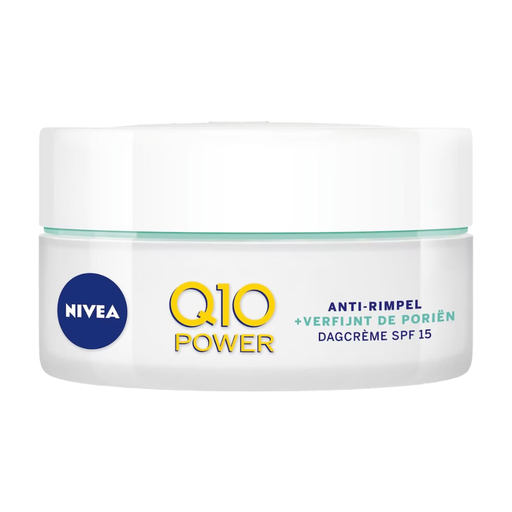
Why this product is a great fit: Ideal for users seeking a straightforward, affordable, and reliable day cream with SPF for daily use. The formula is specifically tailored to the needs of combination skin.
The product avoids the "all-in-one miracle" promise by clearly focusing on anti-wrinkle care with Q10 and pore refinement for a specific skin type. It's an honest, foundational cream.
The lightweight, non-greasy texture is optimised for combination skin and helps to refine pores while providing basic UV protection.
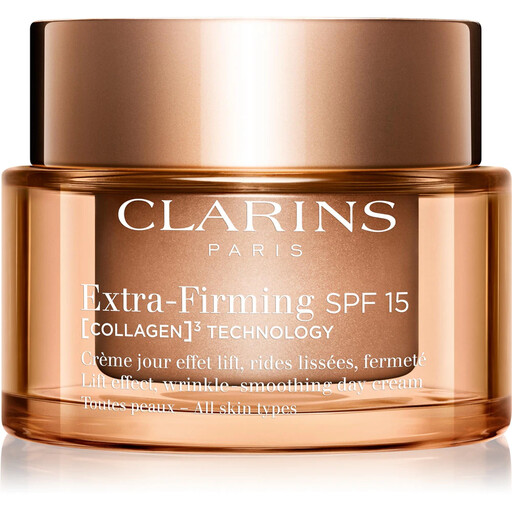
Why this product is a great fit: For users who are willing to invest in a high-quality anti-ageing day cream with SPF 15 that specifically targets loss of skin firmness and is based on plant-based extracts.
Clarins focuses on a specific benefit—firming the skin—and backs this up with ingredients like Kangaroo Flower and Mitracarpus extracts. This goes beyond vague marketing buzzwords.
The formulation aims to visibly lift and smooth the skin. Its pleasant texture is suitable for all skin types and offers a luxurious skincare experience.
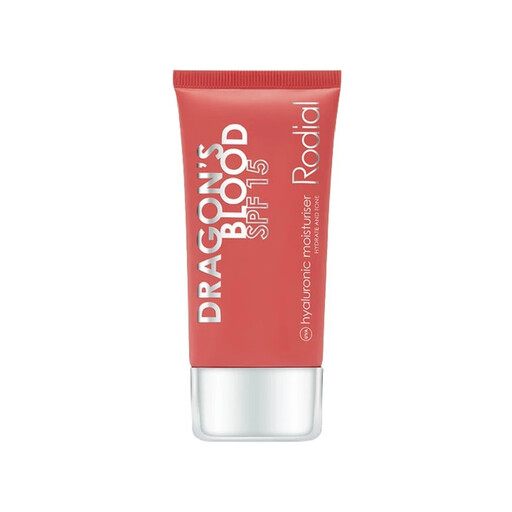
Why this product is a great fit: Perfect for users specifically looking for a day cream with hyaluronic acid and SPF who value a formula with modern, high-performance ingredients like niacinamide and squalane.
This product avoids the "ingredient hype" pitfall by transparently highlighting its key active ingredients (Dragon's Blood, Hyaluronic Acid, Niacinamide) and clearly communicating their function.
The combination of hyaluronic acid and squalane provides intense, long-lasting hydration, while niacinamide and Chromabright technology target an even skin tone.
We have compiled a complete, up-to-date list of products that fully meet these strict selection criteria and UK safety regulations.
1. Is a day cream with SPF 15 enough sun protection in the summer? For everyday, incidental sun exposure, like the commute to work or running short errands, SPF 15 offers a basic level of protection. However, it is not sufficient for prolonged and direct sun exposure, such as at the beach, in the park, or during outdoor sports. In these cases, a separate sunscreen with an SPF of at least 30, or preferably 50, is required. It should be applied generously and reapplied every two hours.
2. Can I use a day cream with SPF at night? This is not recommended. The UV filters in a daily face cream with sun protection are redundant at night. Depending on the formulation, they can unnecessarily burden the skin or clog pores in some skin types. A night cream is specifically designed for the skin's regeneration processes during sleep and contains optimised active ingredients for this purpose, but no UV filters.
3. Why does my face cream with sunscreen sometimes feel sticky? A sticky feeling can have several causes. It might be due to the type of UV filters used, as some chemical filters have a slightly heavier texture. A formulation that is too rich for your skin type or applying too much product can also be responsible. Look for terms like "lightweight texture," "non-greasy," or "fast-absorbing," and choose a product explicitly recommended for your skin type.