
Lieferung heute & morgen

Qualitätsgarantie

Willkommens-Angebote freischalten: KOSTENLOSE Lieferung | Bis zu 80 % RABATT | Kostenlose 30-Tage-JoyPlus-Testphase
App herunterladen
A day cream with SPF 30 can simplify your morning skincare routine. It hydrates your skin and adds a stated level of protection against UVB rays and, depending on the product, UVA rays too. It’s a practical option for many adults, particularly if you also want to care for fine lines, dry skin, a dull complexion or pigmentation.
It’s still worth choosing carefully. A higher price doesn’t guarantee a suitable texture, and an anti-ageing claim says little about whether a product will suit your skin. What matters is the information on the packaging, the ingredients list and how the product fits into your everyday routine.
The sun protection factor mainly describes protection against UVB rays. For daily facial care, you should also look for a stated level of UVA protection or a label confirming UVA and UVB protection. For longer periods outdoors, strong sunlight, sweating or contact with water, a regular SPF 30 moisturiser may not be enough. In these situations, it’s worth using a separate sun protection product with a suitable texture and reapplying it as needed.
Hyaluronic acid, retinol, vitamin C and niacinamide are common ingredients in anti-ageing day creams. But the active ingredient alone doesn’t determine whether a product is suitable for you. A formula containing retinol, for example, may need to be introduced gradually. Fragrance, denatured alcohol or certain plant extracts may also be a concern for sensitive skin. That’s why the full INCI list on the packaging is more useful than a single highlighted ingredient.
A light emulsion is often a better fit for combination skin or as a make-up base, while a richer cream may feel more comfortable on dry skin. If you don’t apply enough, the protection you actually get may not match the SPF stated on the packaging. Apply the product evenly to your face and neck, and your décolletage if appropriate. If you have sensitive skin, try a small patch test before using it regularly.
Look for:
A day cream with UV protection is designed for your morning routine. It won’t necessarily replace every other form of sun protection on a beach day, a hike or during longer periods outdoors.
For normal and dry skin, consider creamier formulas containing glycerin, hyaluronic acid or skin-conditioning lipids. For combination or oily skin, light, non-greasy and, where appropriate, mattifying textures are often more practical. A day cream for sensitive skin should ideally have a straightforward formula; fragrance and alcohol may matter depending on how your skin reacts.
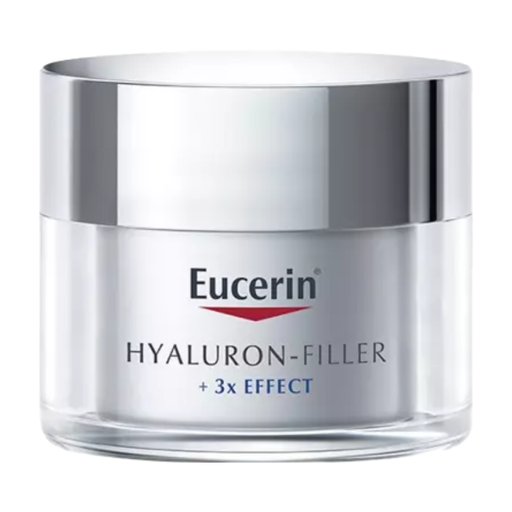
Why this product suits this profile: This 50 ml day cream combines hydration, SPF 30 and high- and low-molecular-weight hyaluronic acid in one morning application.
The product information specifies UVA and UVB protection and says to apply it to the face, neck and décolletage, rather than focusing on just one active ingredient.
SPF 30, hyaluronic acid and suitability stated for all skin types.
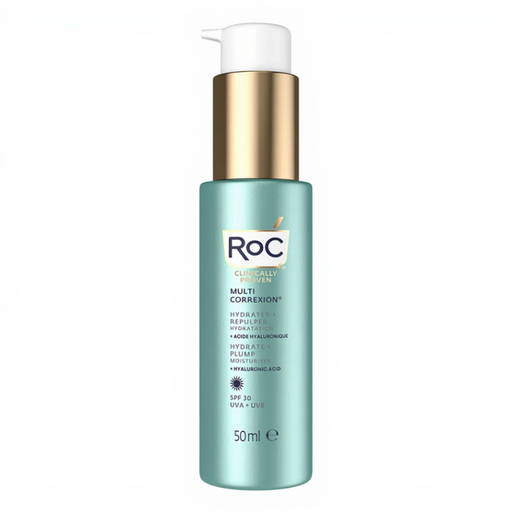
Why this product suits this profile: According to the product description, its light, non-greasy texture works as a make-up base. It also contains niacinamide, sodium hyaluronate and panthenol.
As well as SPF 30, the product description details its texture and skincare ingredients, making it easier to assess how well it may fit into your everyday routine.
SPF 30, a focus on hydration and a fast-absorbing formula, according to the supplier.
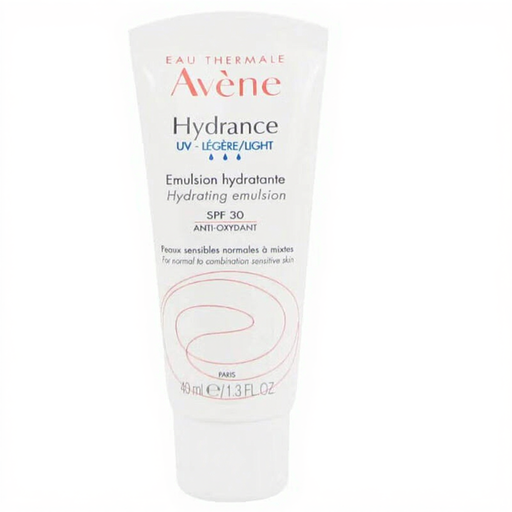
Why this product suits this profile: According to the product details, this light emulsion is suitable for normal, combination and sensitive skin. It is described as non-comedogenic, with a matte finish.
The product details clearly state the skin types it suits, its finish and its use as a make-up base. Fragrance is listed, so bear this in mind if you have sensitive skin.
SPF 30, a light texture and a stated matte finish for everyday use.
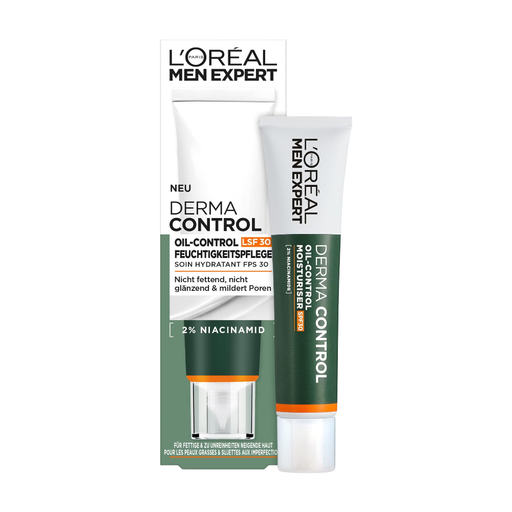
Why this product suits this profile: This SPF 30 face cream is described as suitable for oily, blemish-prone skin and contains niacinamide and silica.
Rather than being recommended for every skin type, the formula is clearly aimed at oily and blemish-prone skin.
SPF 30, niacinamide and a mattifying ingredient according to the INCI list.
We’ve put together a complete, regularly updated list of products that meet these strict selection criteria and fully comply with the safety regulations in force in the EU.
Apply your day cream with UV protection in the morning to clean skin. Cover your face, neck and décolletage evenly. If the product contains retinol or several active ingredients, introduce it gradually. Avoid direct contact with your eyes, and stop using it if irritation occurs.
Store the cream as directed on the packaging, ideally in a dry place away from direct sunlight. The period-after-opening symbol and the best-before or batch date printed on the packaging indicate how long the product can be used. If its smell, colour or consistency changes, it’s best to stop using it.
For short everyday journeys, SPF 30 may be suitable, provided you apply enough cream and spread it evenly. For intense or prolonged sun exposure, it’s worth using a separate sunscreen with a higher sun protection factor and reapplying it regularly.
Not in every situation. Day cream is designed for your morning facial skincare routine. For sports, swimming, heavy sweating or longer periods outdoors, use a sunscreen designed for the purpose and reapply it regularly.
Check the symbol on the packaging, such as ‘12M’ for twelve months after opening. Clean hands, a tightly closed jar and storage away from heat and direct sunlight can help maintain the product’s quality during this period.